So you’re visiting Tsukiji Fish Market—amazing choice! But here’s a little secret that most tourists miss: some of Tokyo’s most charming hidden gems are just a short walk away.
We’ve put together the perfect walking route from Tsukiji Outer Market to our neighborhood in Tsukishima. It’s about 45 minutes of pure Tokyo magic—ancient temples, handcrafted knife shops, iconic bridges with stunning views, and traditional neighborhoods that feel like stepping back in time.
Ready to discover a side of Tokyo most visitors never see? Let’s go! 🚶♂️
Quick Answer: The walk from Tsukiji to Tsukishima takes about 45 minutes along Tokyo’s scenic waterfront. The route passes through Tsukiji outer market, crosses historic bridges, and ends in Tsukishima — a quiet neighborhood known for monjayaki and home to some of Tokyo’s best cooking classes. It’s one of the most rewarding food walks in central Tokyo.
Your Walking Route at a Glance
Start: Tsukiji Fish Market area
End: Tsukishima (right near Ramen Cooking Tokyo!)
Distance: About 2.5 km
Time: 45 minutes (or longer if you stop to explore!)
Route:
Tsukiji Outer Market → Tsukiji Honganji Temple → Sumida River → Kachidoki Bridge → Tsukuda Ohashi Bridge → Tsukuda neighborhood → Sumiyoshi Shrine → Tsukishima
Stop 1: Tsukiji Outer Market – Where Food Dreams Come True
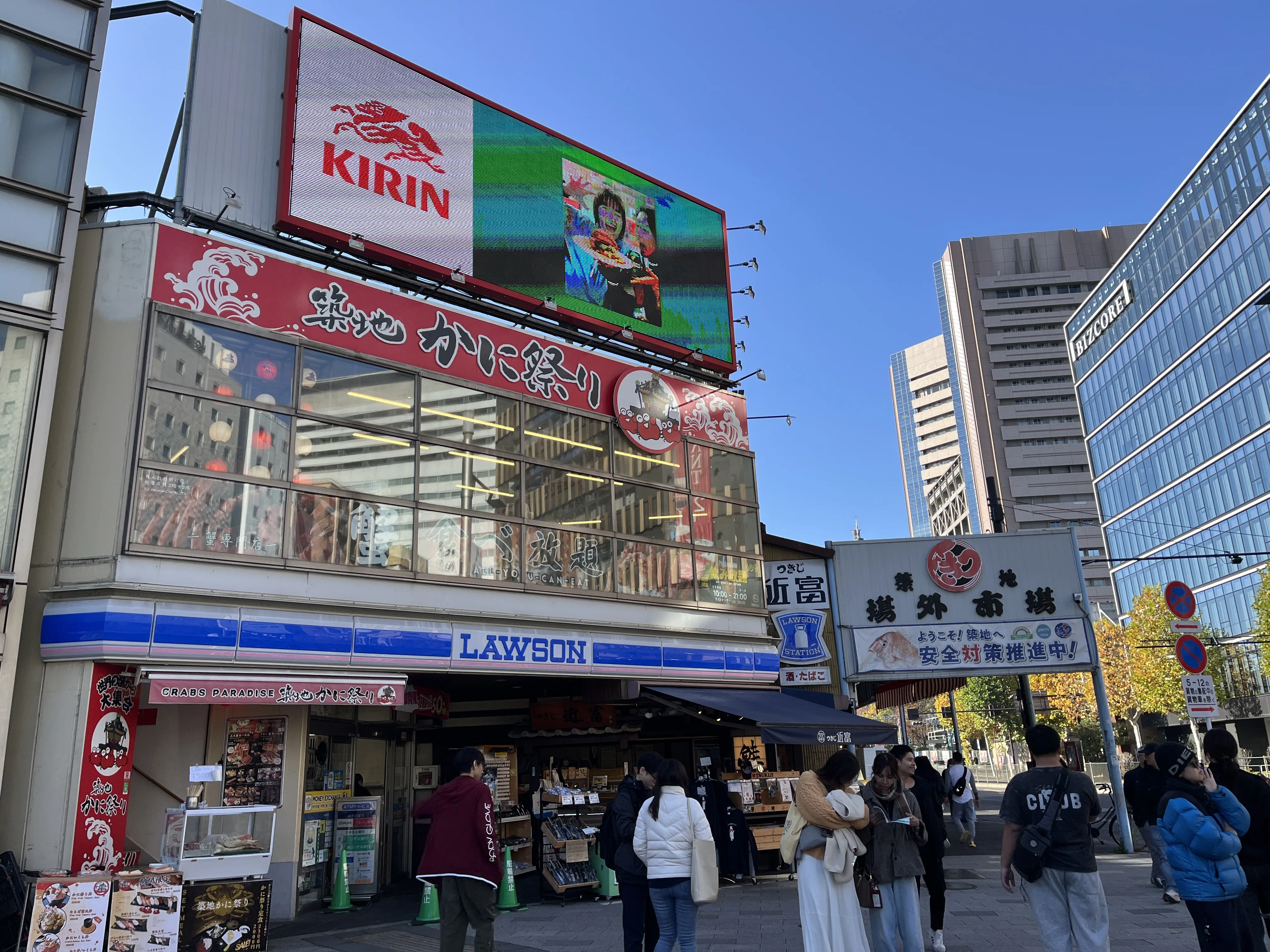
First things first—if you haven’t already explored Tsukiji Outer Market, you’re in for a treat! Even though the famous inner wholesale market moved to Toyosu in 2018, the outer market is still very much alive and buzzing with energy.
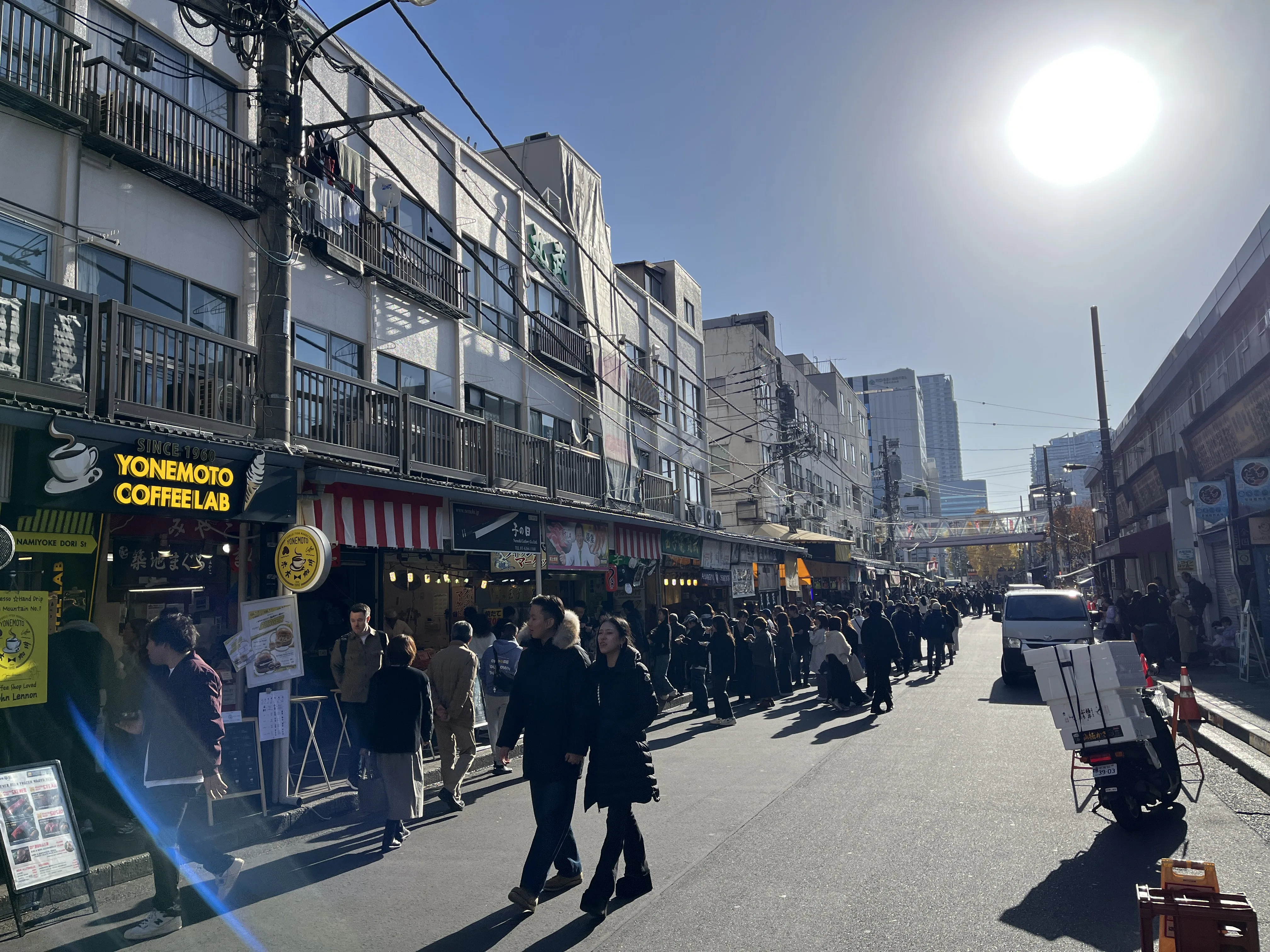
The Ultimate Tokyo Street Food Experience
This is where locals and tourists alike come for the freshest street food in Tokyo. The narrow lanes are packed with vendors selling:
- 🍣 Fresh sushi and sashimi – Some of the best you’ll find anywhere
- 🍳 Tamagoyaki – Fluffy Japanese omelet, grilled right in front of you
- 🍡 Dango and mochi – Sweet rice treats for your sweet tooth
- 🍓 Fresh fruit on sticks – Perfectly ripe and ready to eat
- 🦪 Grilled seafood – Scallops, oysters, and more!
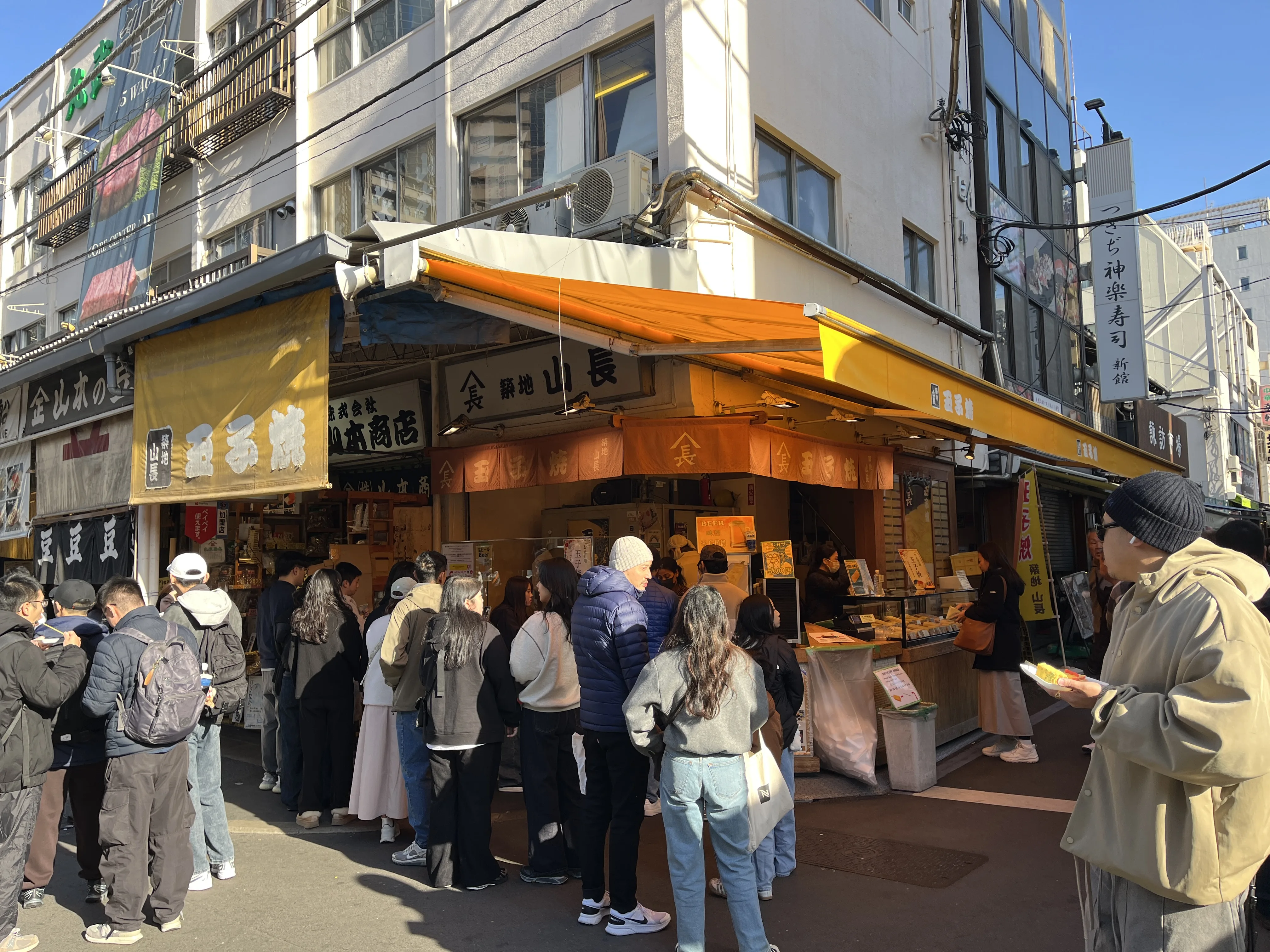
Pro tip: Come hungry! The best way to experience Tsukiji is to eat your way through it. Try a little bit of everything!
A Paradise for Cooking Enthusiasts
But Tsukiji Outer Market isn’t just about eating—it’s also a wonderland for anyone who loves cooking. The market has been supplying Tokyo’s restaurants and home cooks for over a century, and you’ll find incredible specialty shops here.
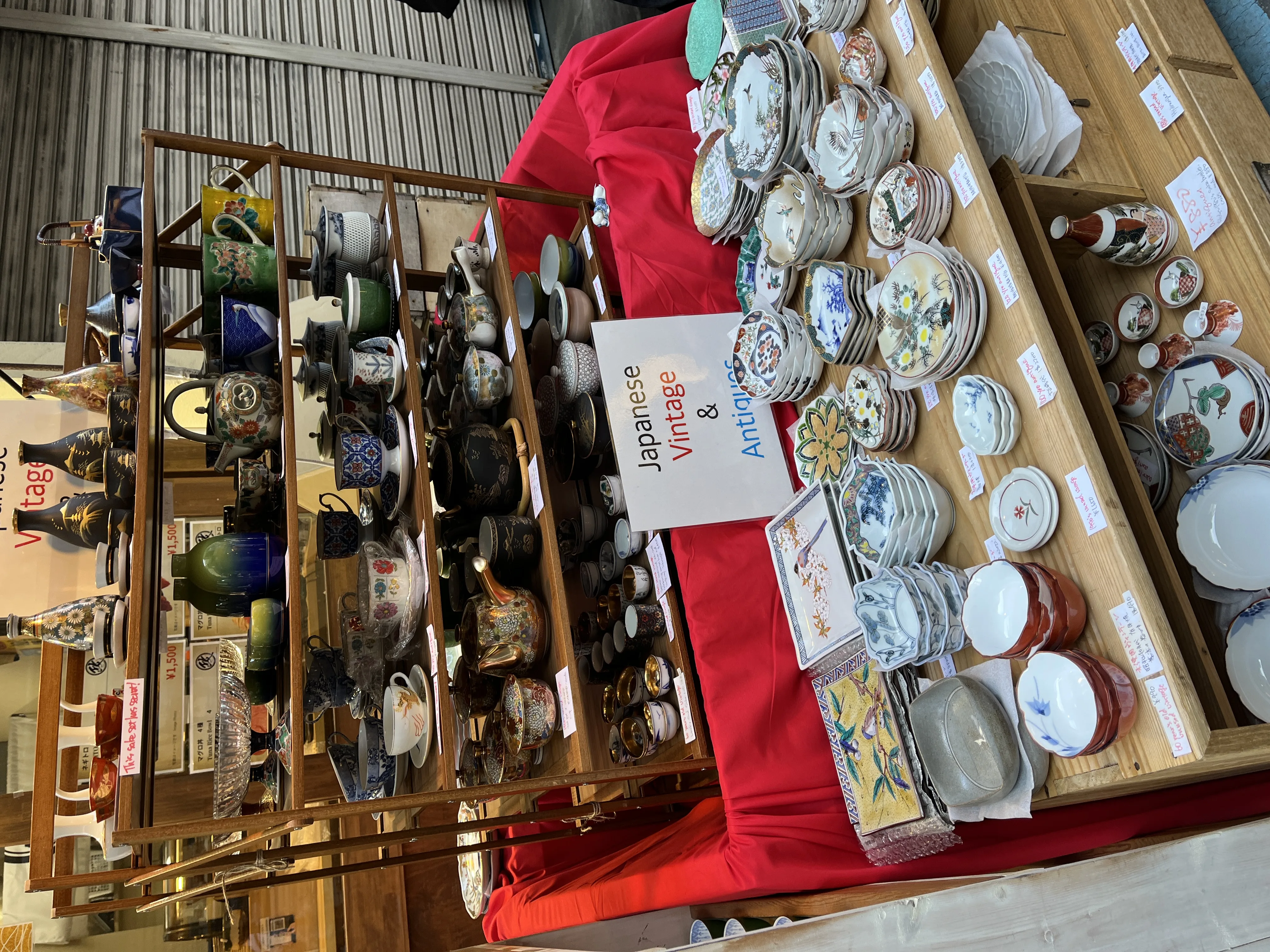
Japanese tableware and ceramics: From delicate tea cups to rustic ramen bowls, the selection is incredible. These make perfect souvenirs that you’ll actually use!
World-Famous Japanese Artisan Knives
Now, here’s something special. Tsukiji is home to some of Japan’s most renowned handcrafted Japanese knife shops. These aren’t your ordinary kitchen knives—these are works of art, forged by master craftsmen using techniques passed down through generations.
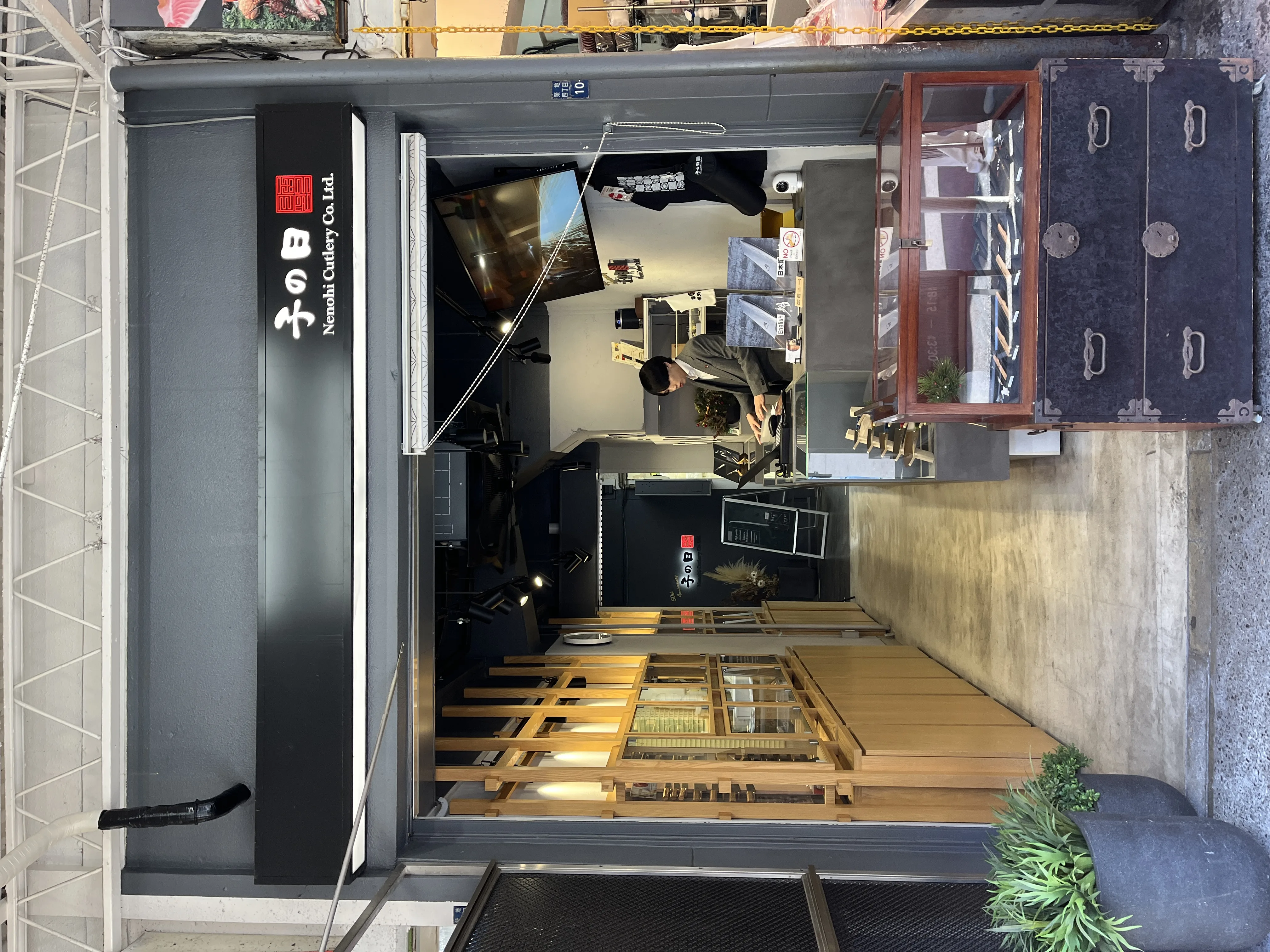
Shops like Nenohi (子の日) attract knife enthusiasts from around the world. Professional chefs, home cooks, and collectors travel here specifically to purchase these legendary blades.
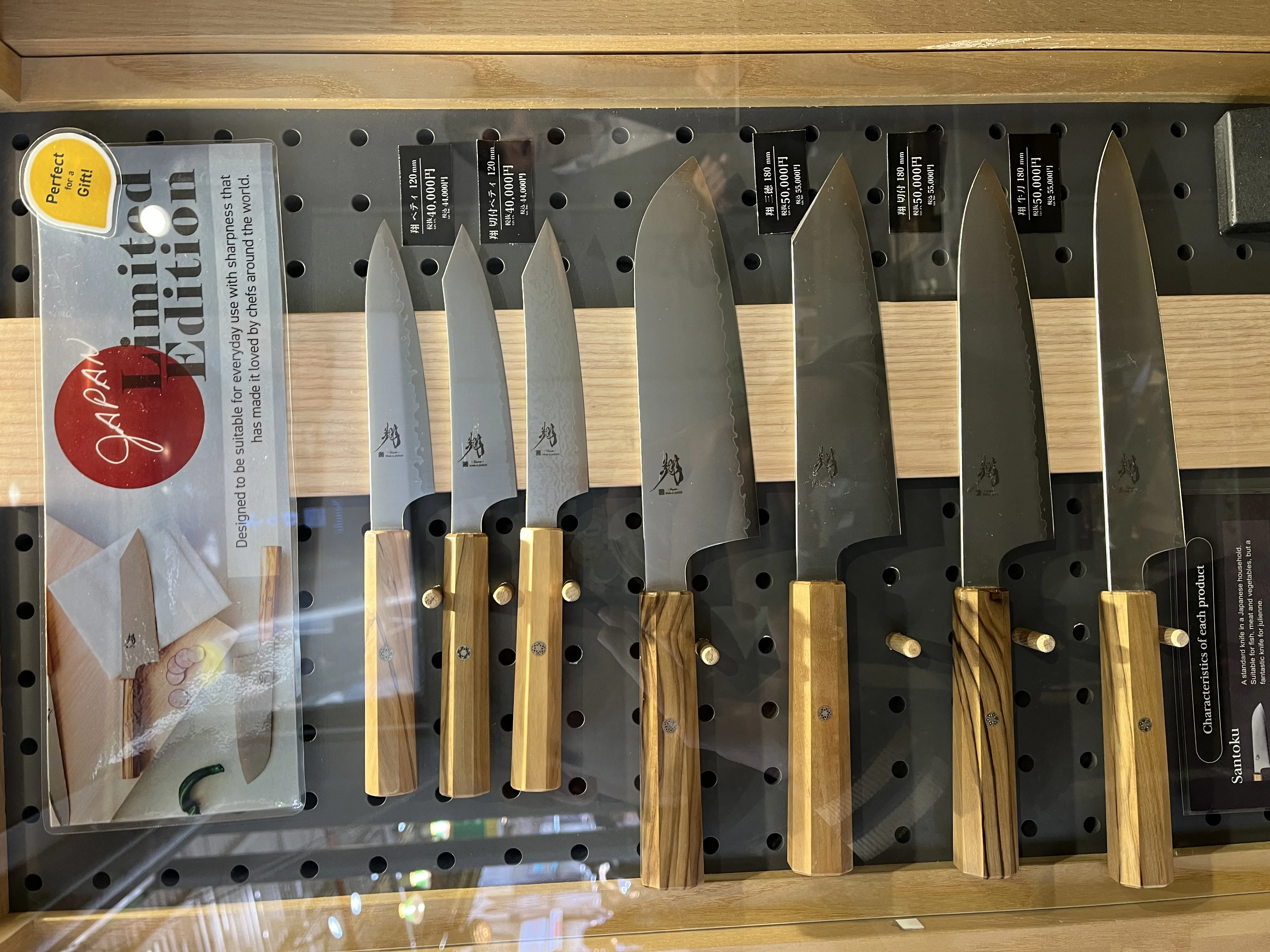
Fun fact: In Japanese professional kitchens, chefs typically can’t wear jewelry or watches. Instead, owning a magnificent handcrafted knife becomes their status symbol. Some of these knives are passed down through generations!
💡 Did you know? The name “Tsukiji” (築地) literally means “reclaimed land.” This entire area was created by filling in the sea—originally to build the main hall of a nearby temple. Pretty amazing when you think about it!
Stop 2: Tsukiji Honganji Temple – An Architectural Wonder
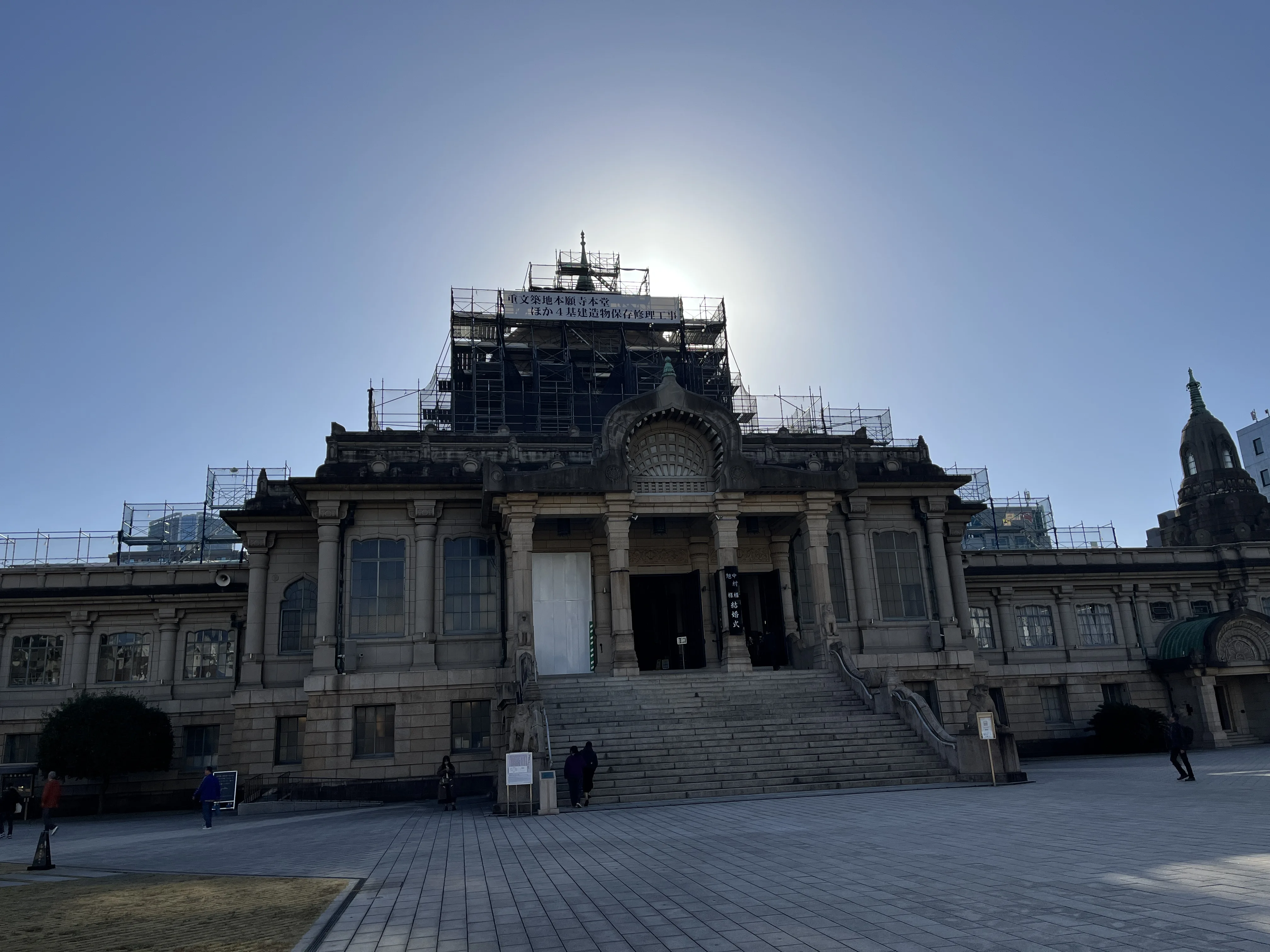
Just a 3-minute walk from the market, you’ll find one of Tokyo’s most unique Japanese temples. Tsukiji Honganji Temple is unlike any temple you’ve seen before—and that’s exactly what makes it so special.
Why This Temple Is Different
Most Japanese temples follow traditional Japanese architectural styles. But Tsukiji Honganji? It looks like it belongs in India! The temple was designed by Chuta Ito, a famous architectural historian who spent years traveling through Asia studying Buddhist architecture.
He wanted to create something that honored Buddhism’s journey from India to Japan, so he designed a temple that blends:
- 🏛️ Ancient Indian Buddhist architecture
- 🪟 Beautiful stained glass windows (yes, in a Buddhist temple!)
- 🦁 Exotic animal sculptures
- 🎨 An atmosphere that feels both familiar and wonderfully foreign
The result is absolutely stunning and a must-see for architecture lovers.
Take a Break at the Temple Café
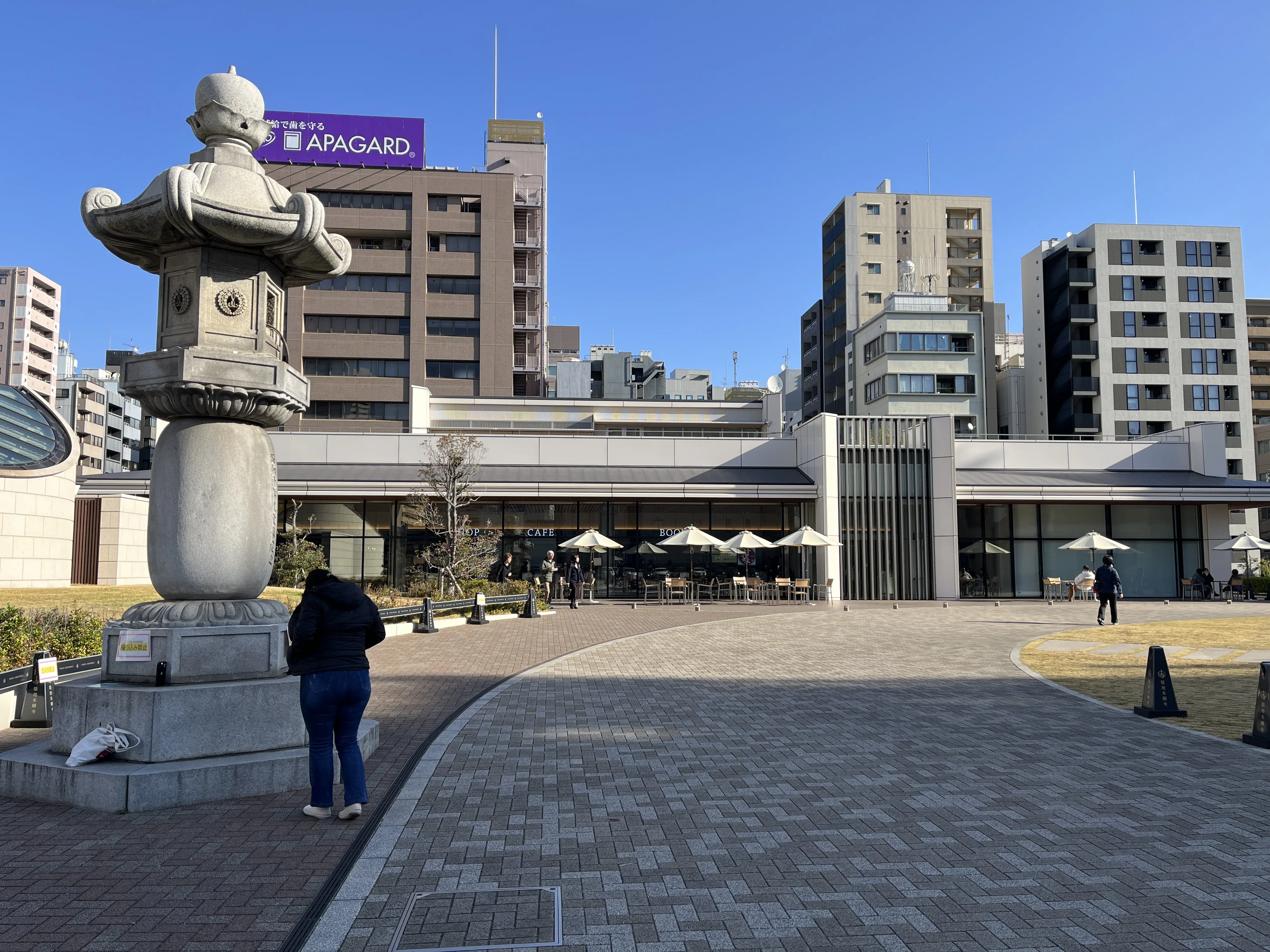
Feeling peckish after all that walking and exploring? The temple grounds include a lovely café where you can rest your feet, enjoy a coffee, and soak in the peaceful atmosphere. It’s the perfect pit stop before continuing your adventure!
Stop 3: A Sweet Detour – Taiyaki Time! 🐟
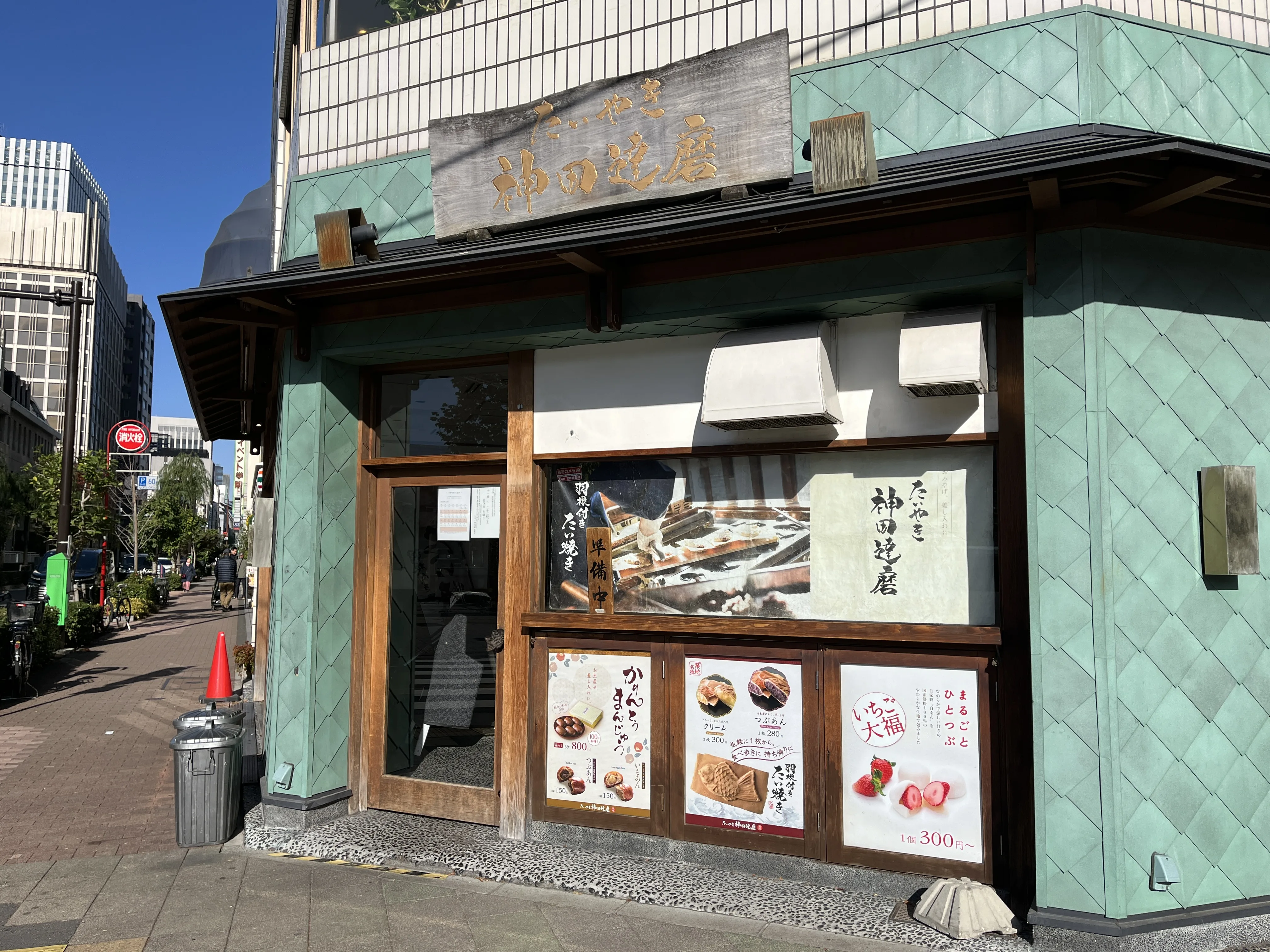
As you head toward the Sumida River, keep your eyes peeled for Kanda Daruma (神田達磨), a beloved taiyaki shop.
Never tried taiyaki? You’re missing out! These fish-shaped pastries are crispy on the outside and filled with sweet goodness inside. Choose from:
- 🫘 Classic sweet red bean paste (anko)
- 🍮 Rich custard cream
- 🍫 Chocolate (for the adventurous!)
Grab one to munch on as you walk—it’s the perfect walking snack!
Stop 4: Hatoba Park – The Magical Mirror Sphere
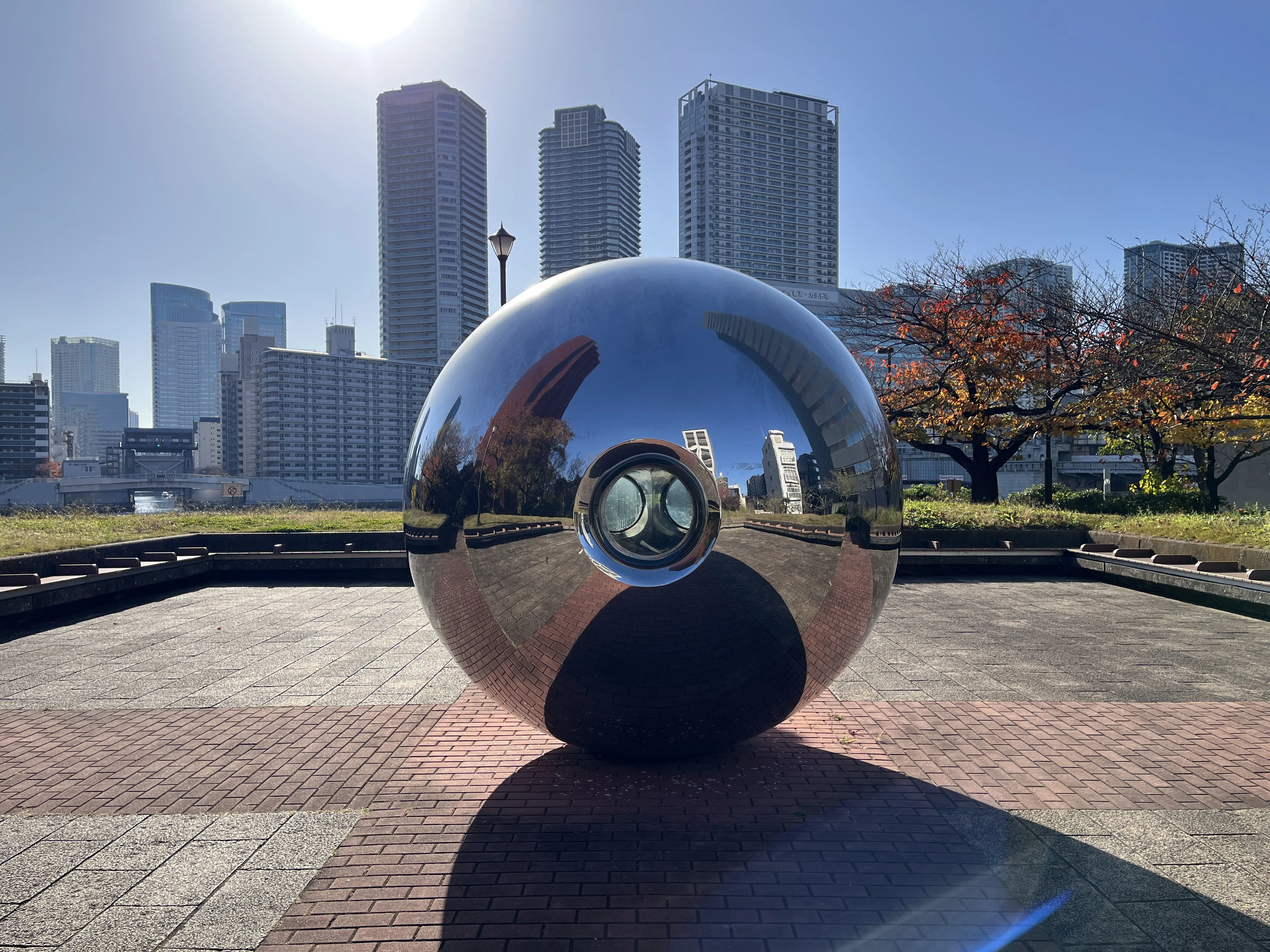
Before crossing the bridge, make a quick stop at Hatoba Park for a truly unique photo opportunity.
This giant mirrored sphere is called “My Sky Hole – Water Scene” (my sky hole 水の情景), created by renowned sculptor Bukichi Inoue—the same artist who designed the famous Hakone Open-Air Museum!
Here’s the cool part: the sphere is designed so you can see the entire surrounding landscape reflected in it—but your own reflection won’t appear. It’s like magic! Give it a try and see for yourself.
Stop 5: Kachidoki Bridge – An Iconic Tokyo Landmark
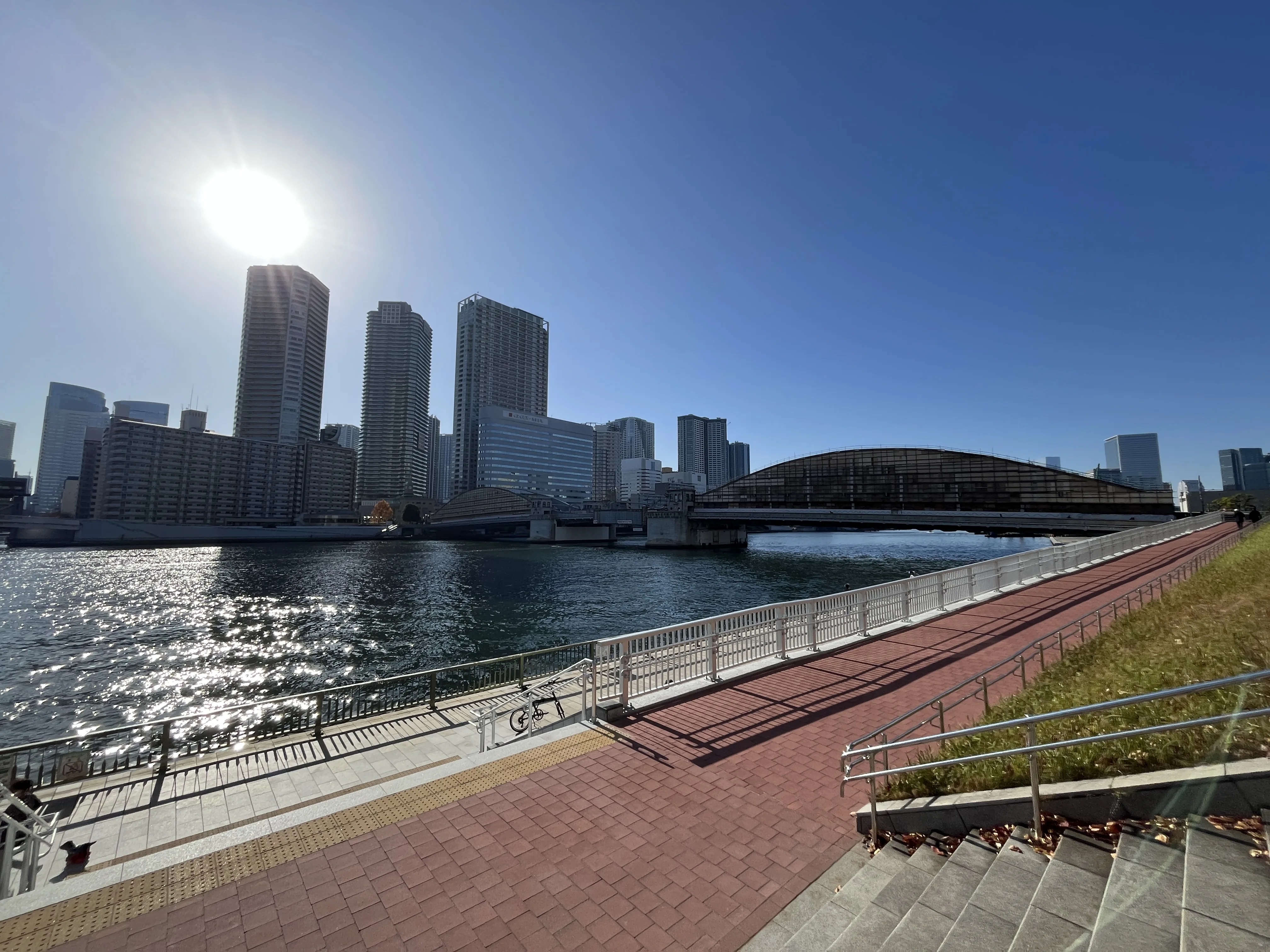
Now we’re getting to one of the most photogenic spots on this walk! Kachidoki Bridge (勝鬨橋) is one of Tokyo’s most beloved landmarks, featured in countless Japanese movies, TV dramas, and famous songs.
The Bridge with a Victory Cry
The name “Kachidoki” means “victory cry”—the triumphant shout that soldiers make after winning a battle. The bridge was named to celebrate a Japanese victory, and it still carries that sense of pride today.
A Bridge That Used to Dance
Here’s a fun bit of history: Kachidoki Bridge was originally built as a drawbridge! The center section would rise up in a dramatic “八” shape (like the number eight) to let large ships pass through.
Can you imagine watching this massive bridge split open and rise into the sky? Unfortunately, it stopped operating in 1970, but the mechanical systems are still there, hidden inside the bridge. Some locals still dream of seeing it open one more time!
Stop 6: The Sumida River Promenade – Urban Serenity
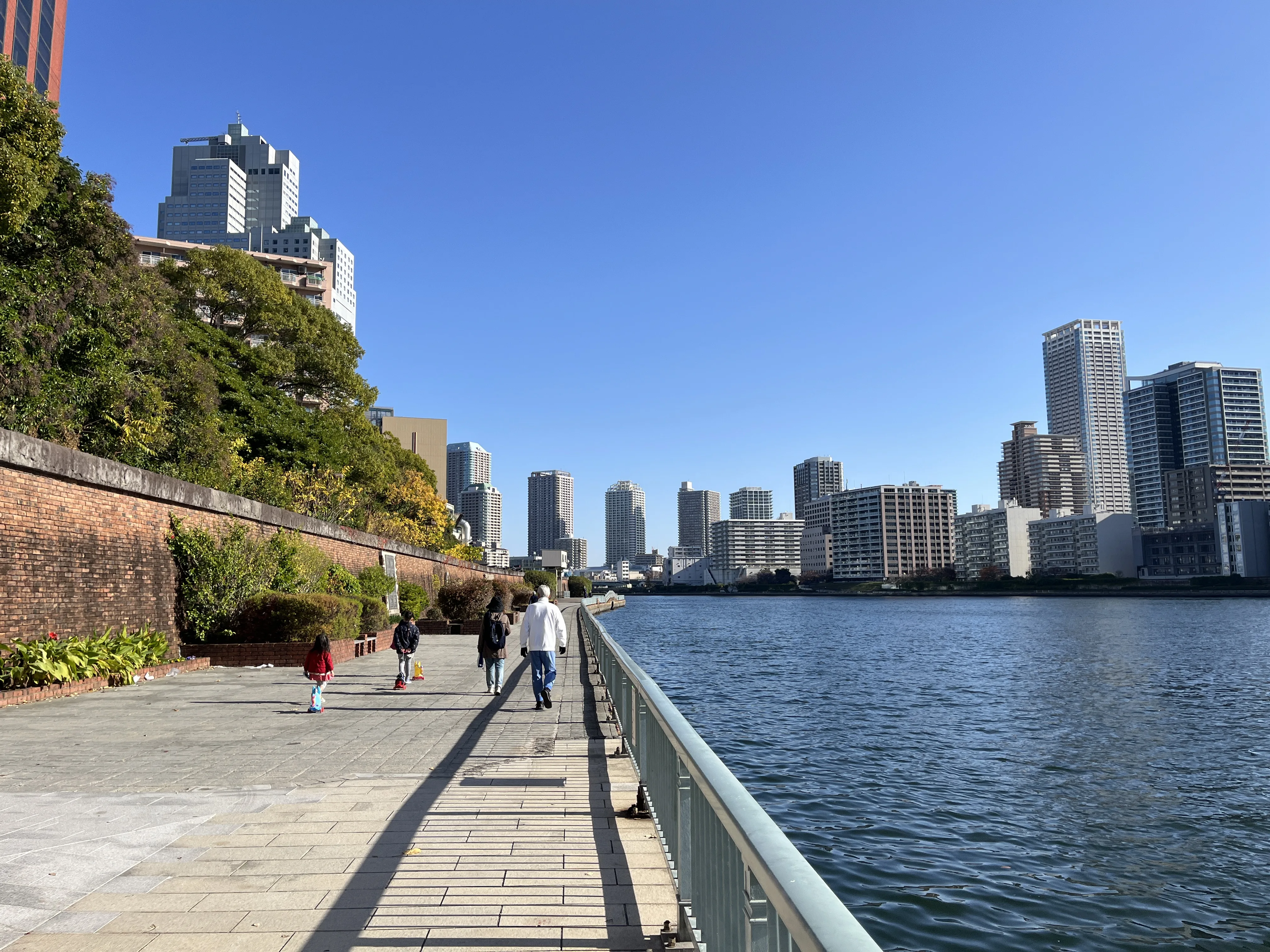
After crossing the bridge, you’ll find yourself on a beautiful riverside promenade. This is one of Tokyo’s best-kept secrets—a peaceful escape right in the heart of the city.
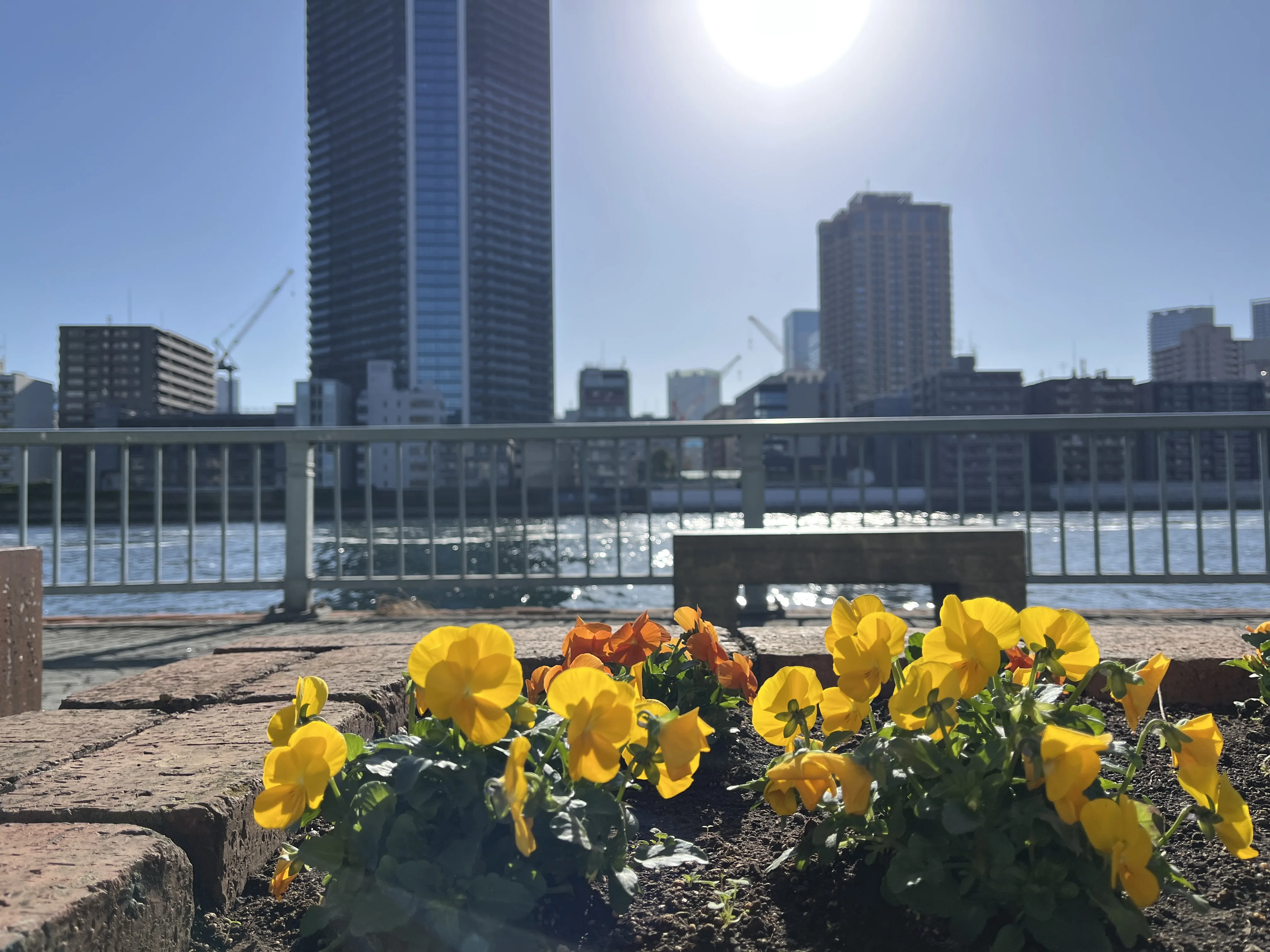
Take your time here. Breathe in the fresh river air, enjoy the seasonal flowers, and take in the stunning contrast between the peaceful water and Tokyo’s dramatic skyline.
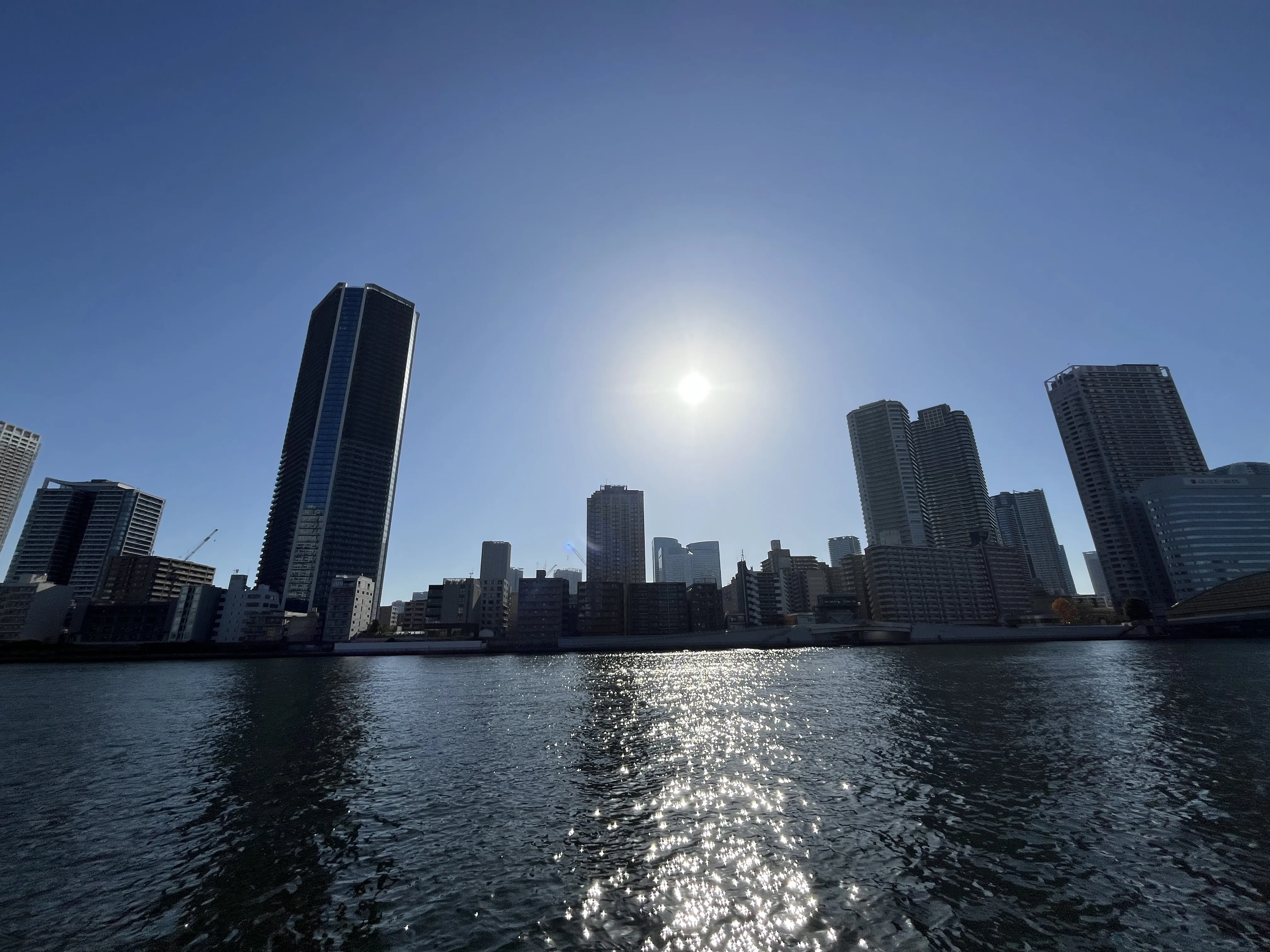
This is the Tokyo that most tourists never see—and you’re walking right through it!
Stop 7: Tsukuda Ohashi Bridge – Gateway to History
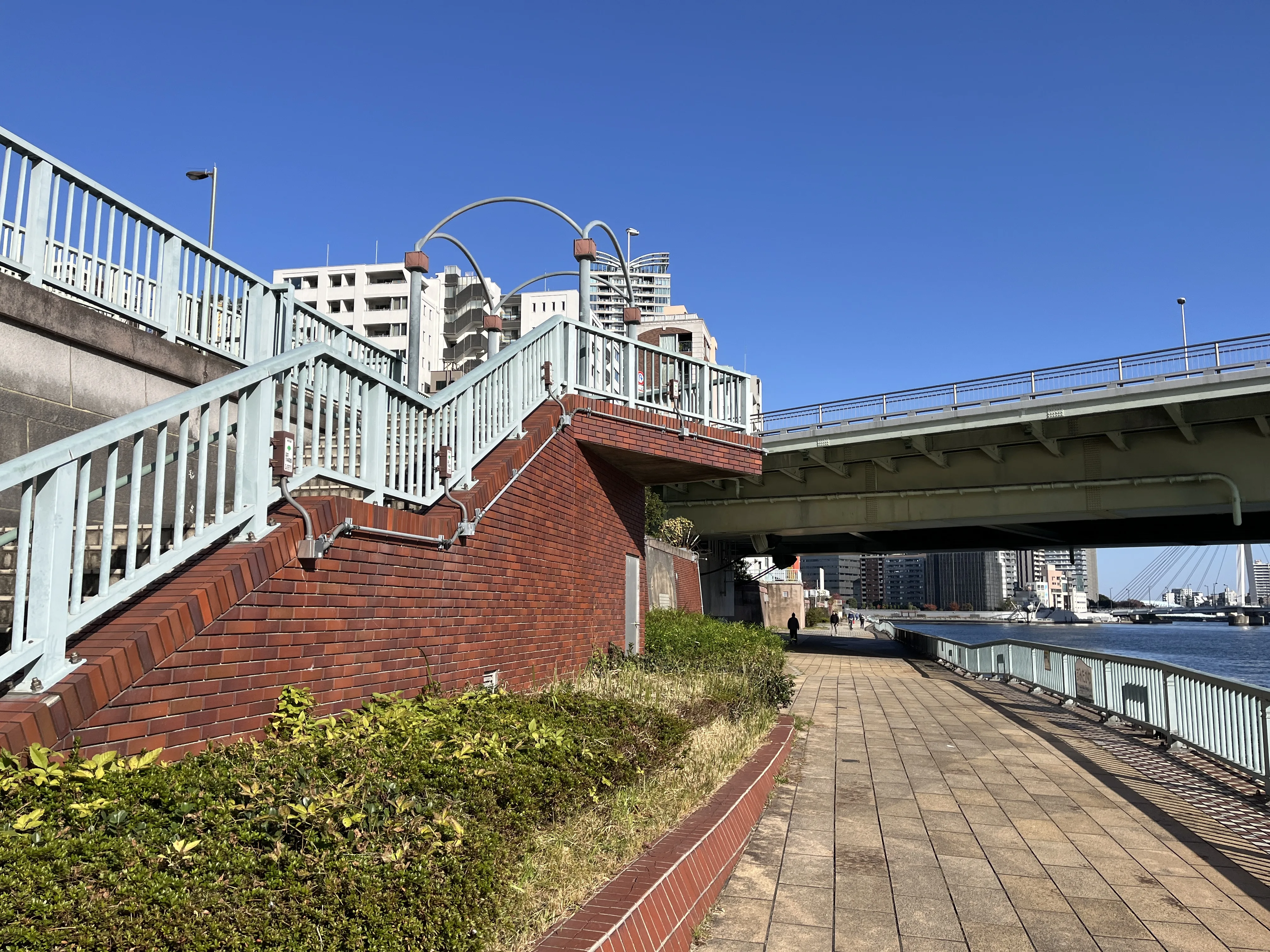
To reach the historic Tsukuda neighborhood, you’ll cross Tsukuda Ohashi Bridge. This bridge was built in 1964 specifically for the Tokyo Olympics to help ease traffic congestion—a bridge built for the world!
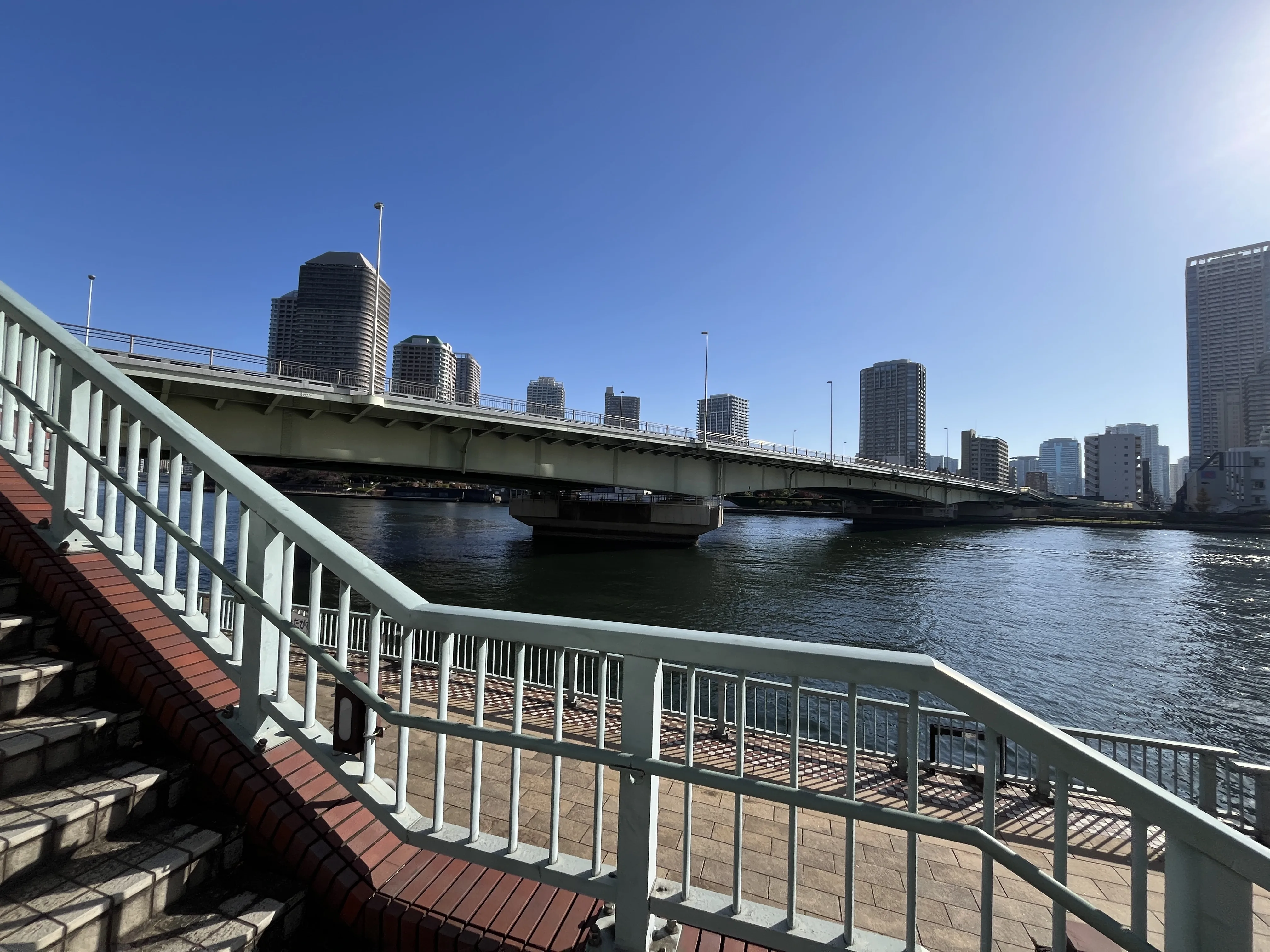
Finding Your Way
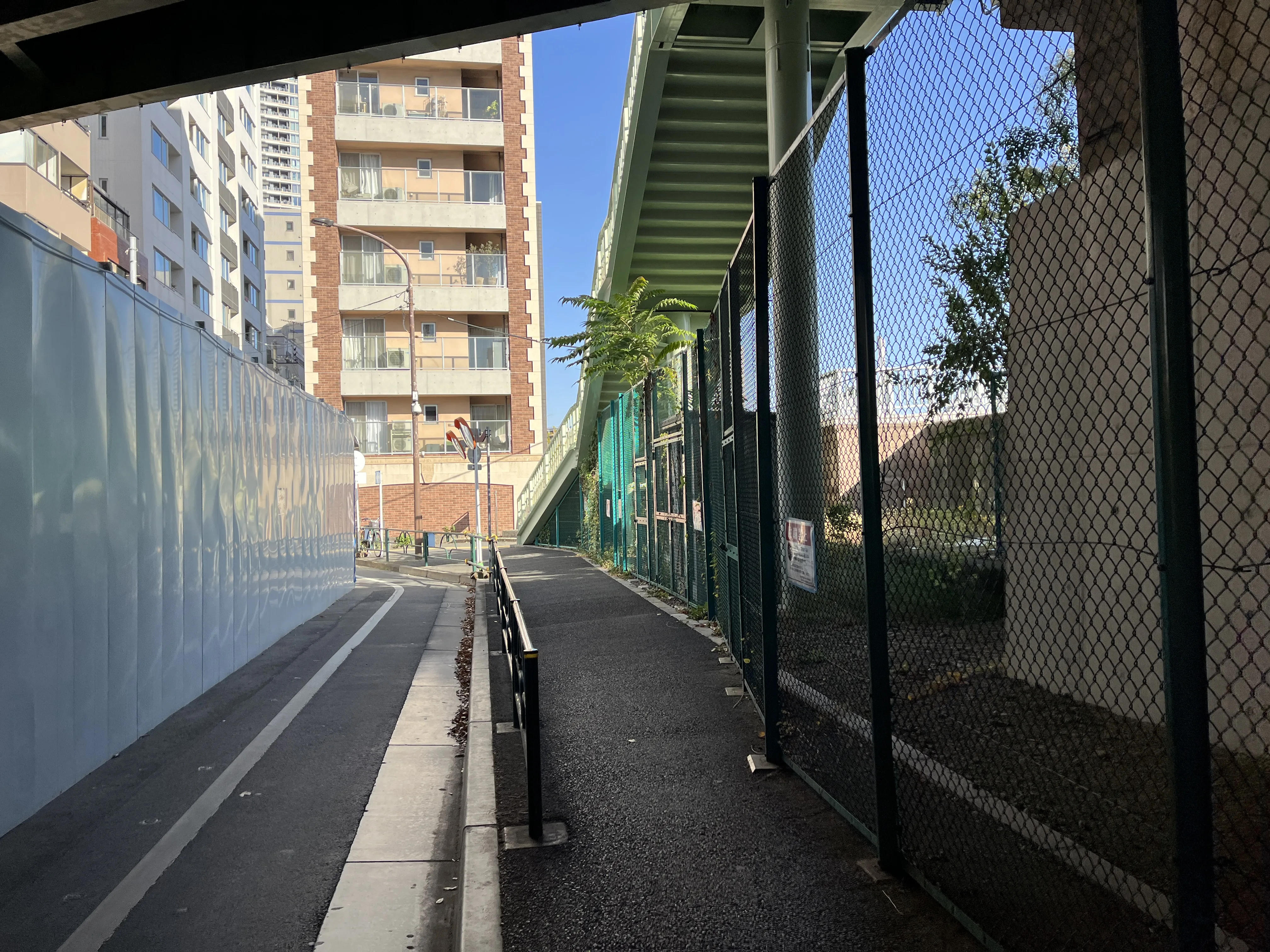
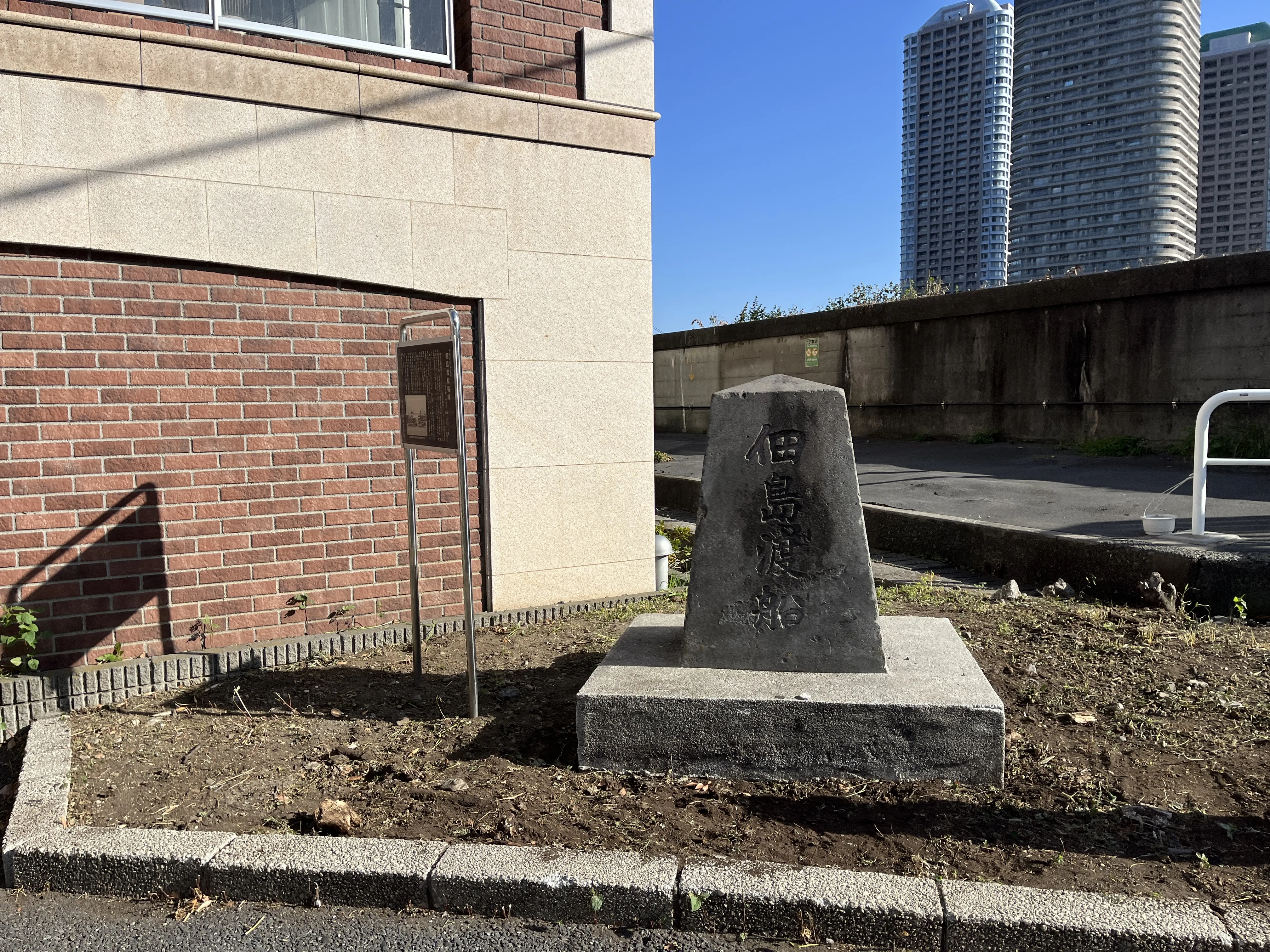
The path is an adventure in itself! First, climb the charming red brick stairs, then look for the green stairs at the far end. A stone monument marks your entrance to one of Tokyo’s most historic neighborhoods.
The Views Are Incredible!
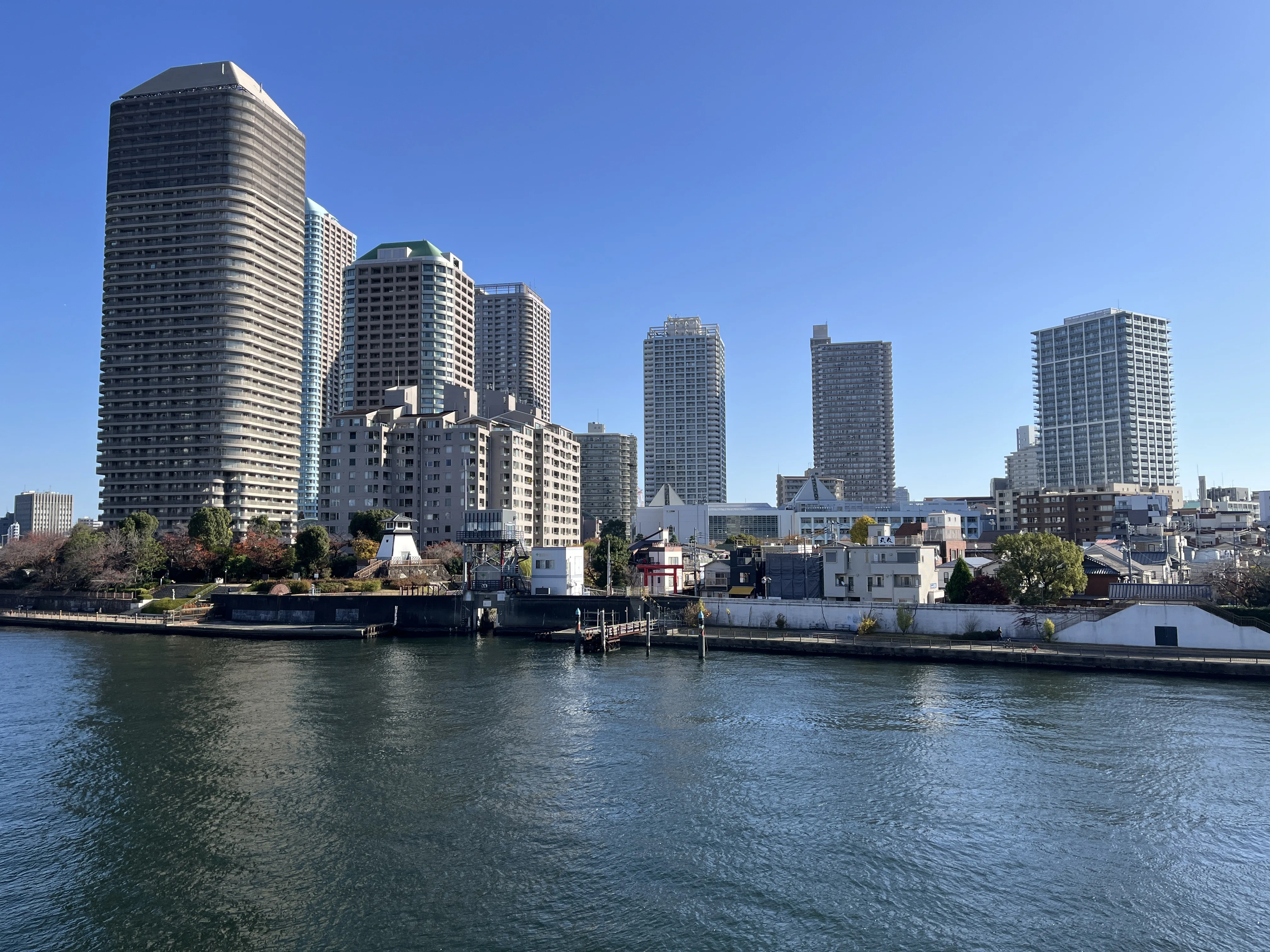
From the bridge, you’ll be treated to gorgeous views of Tsukuda’s traditional townscape—low-rise buildings, narrow streets, and a glimpse of what Tokyo looked like decades ago.
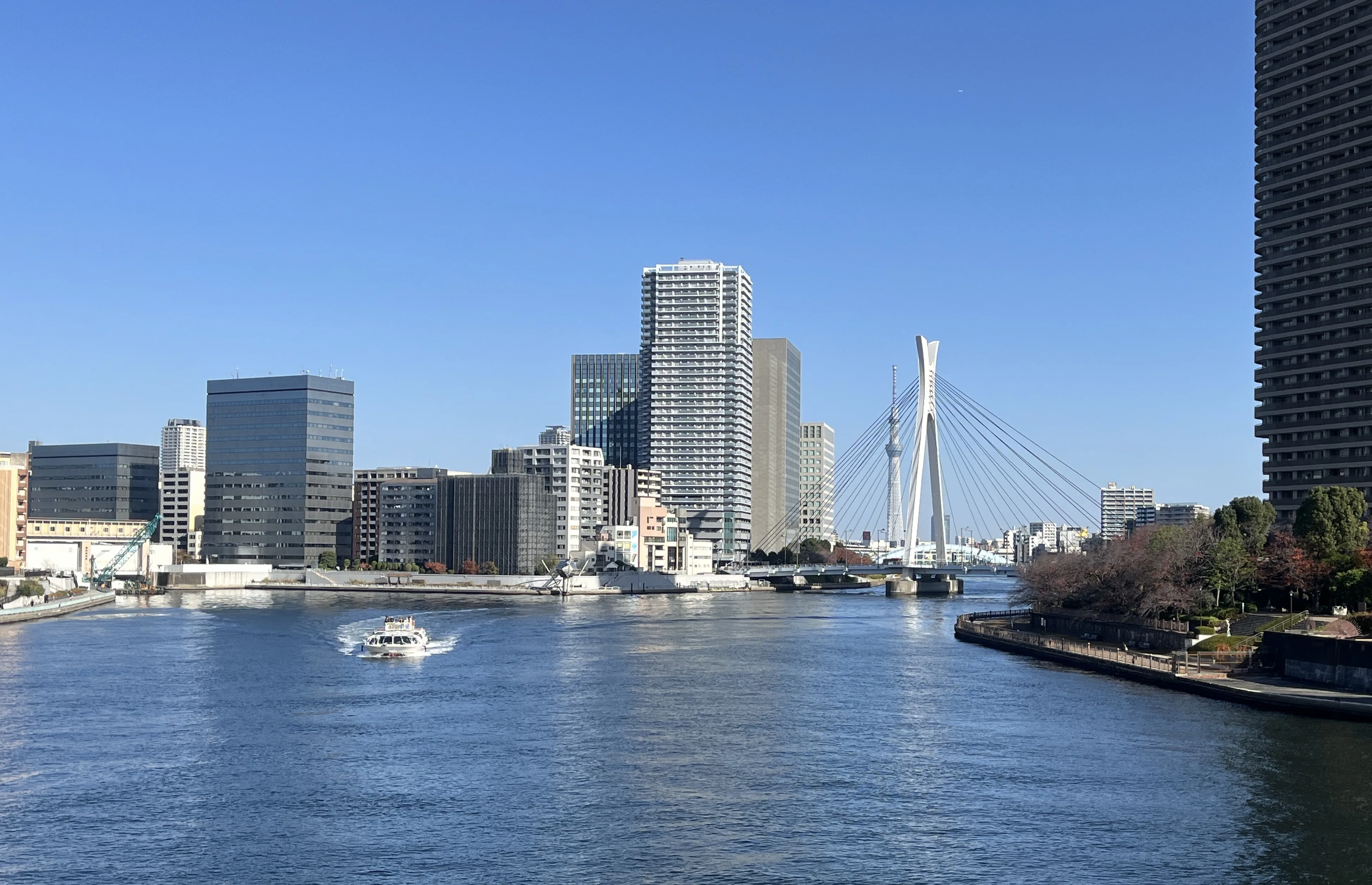
And if you look the other way? Tokyo Skytree rising majestically in the distance! On a good day, you might even spot boats cruising along the Sumida River. Have your camera ready! 📸
Stop 8: Tsukuda – Where Japanese Comfort Food Was Born
Welcome to Tsukuda! This tiny neighborhood might not look like much at first, but it holds a special place in Japanese culinary history.
This is the birthplace of tsukudani (佃煮)—a beloved Japanese comfort food made by simmering small fish, seaweed, or vegetables in sweet soy sauce. It’s the perfect accompaniment to rice and has been a staple of Japanese home cooking for centuries.
The Three Legendary Tsukudani Shops
Right after crossing the bridge, you’ll find three historic tsukudani shops standing side by side. These family businesses have been making tsukudani for generations!
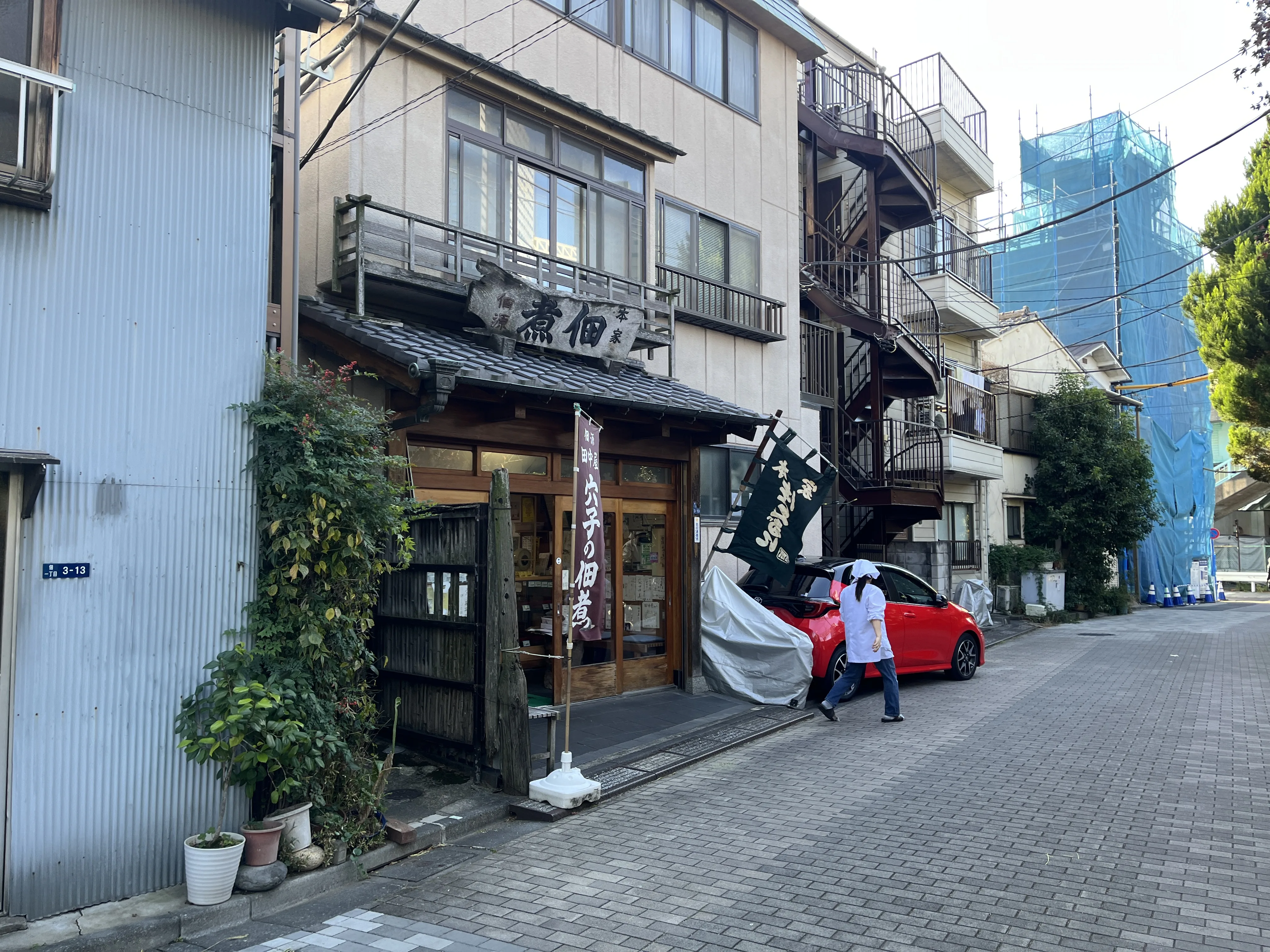
Tanakaya – One of the oldest and most respected names in tsukudani.
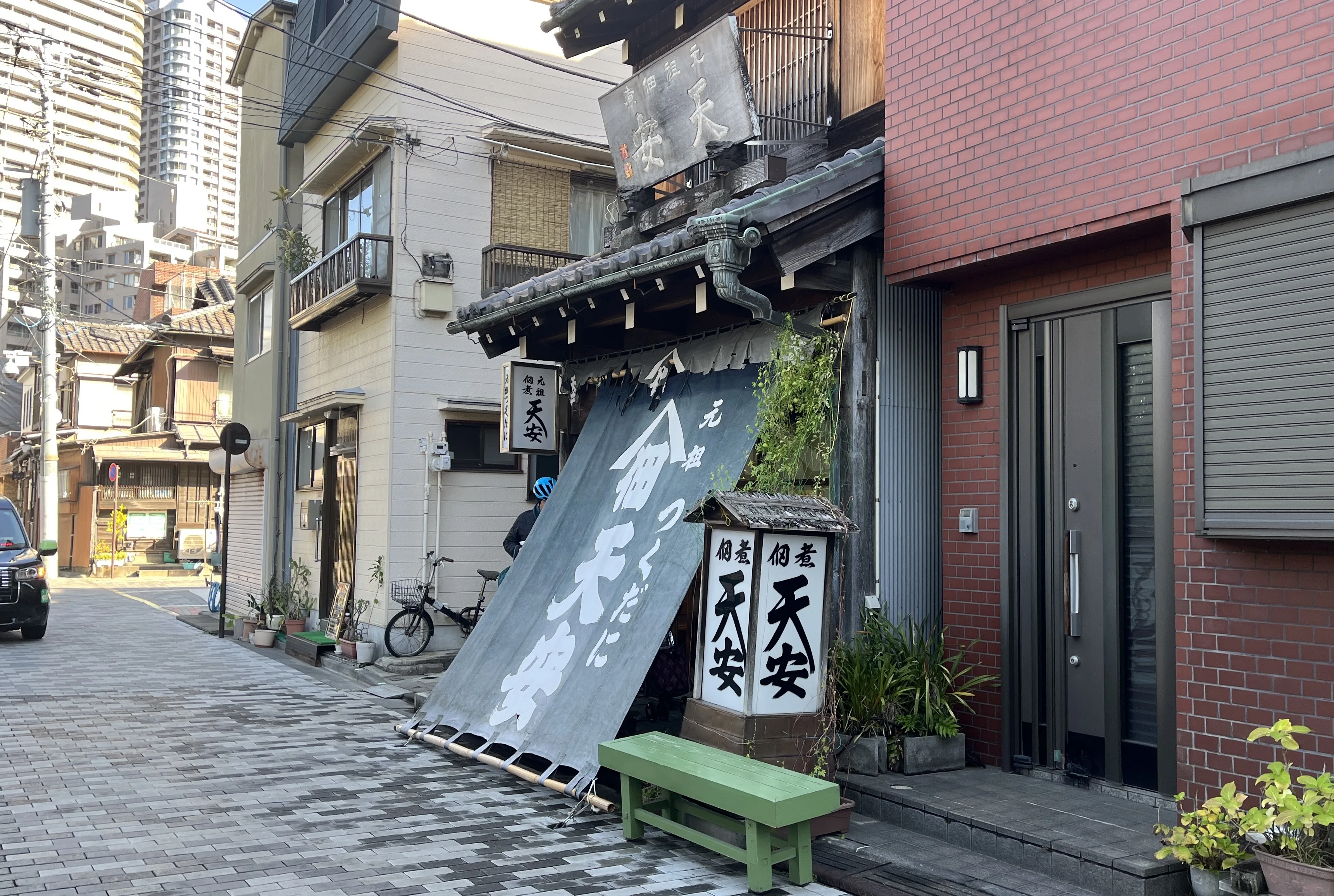
Tenyasu – Generations of tradition in every jar.
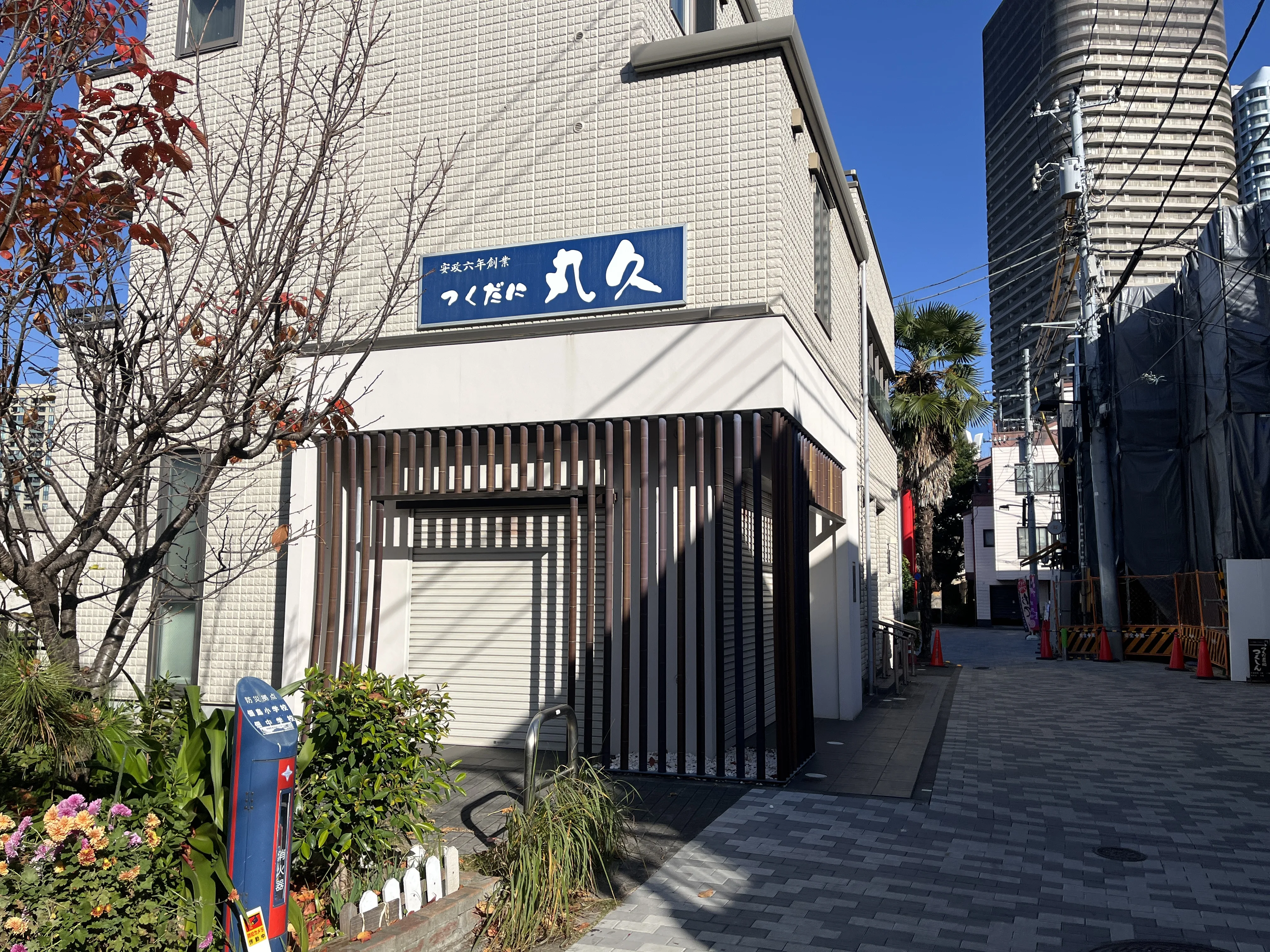
Marukyu – The third member of this legendary trio.
Why not pick up a jar as a souvenir? It’s a taste of authentic Tokyo that you can take home!
A Glimpse of Festival Culture
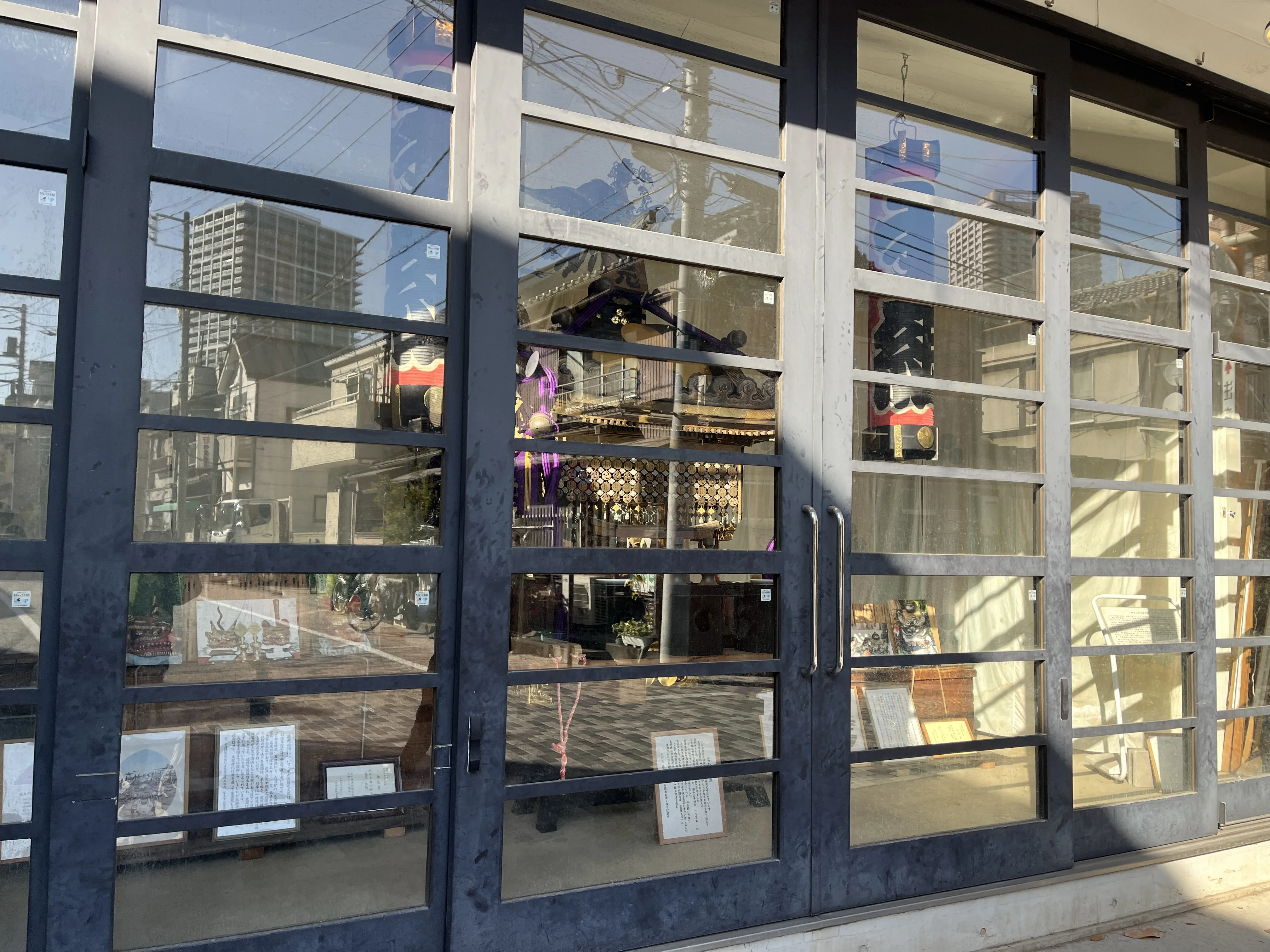
Keep an eye out for the stunning mikoshi (portable shrine) on display! This beautifully crafted piece is used during local festivals, when the whole neighborhood comes together to carry it through the streets. It’s a powerful symbol of community spirit that has endured for centuries.
Stop 9: Sumiyoshi Shrine – You’re Almost There!
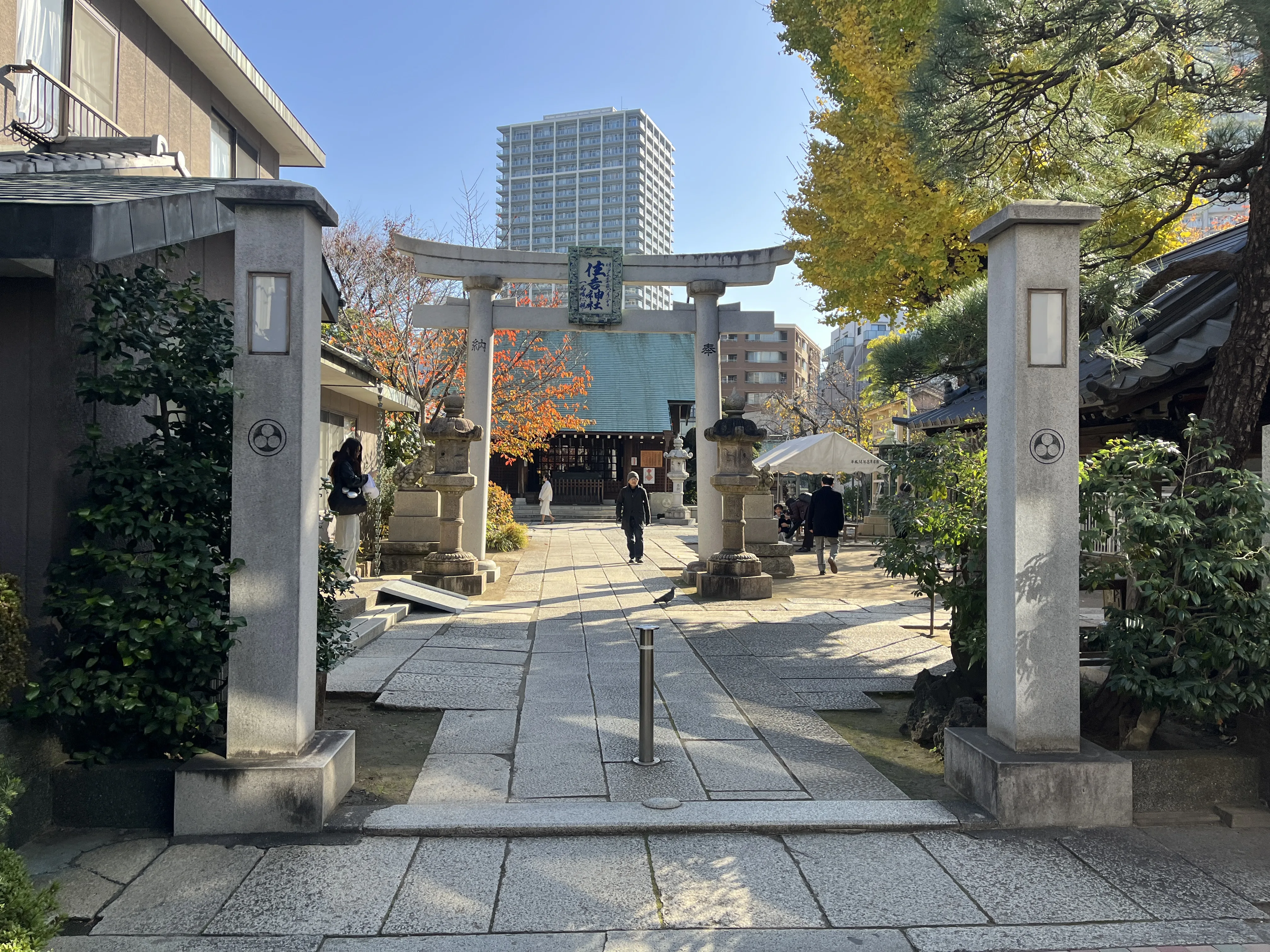
When you see Sumiyoshi Shrine (住吉神社), you know you’re almost at your destination!
This beautiful Japanese shrine has been watching over this neighborhood for centuries. Originally, it was revered as the guardian of safe sea voyages—fitting for an area built on reclaimed land. Today, it serves as the beloved local shrine for the Tsukuda and Tsukishima communities.
Take a moment to pay your respects, make a wish, and enjoy the peaceful atmosphere. Who knows? Maybe the shrine will bring you good luck in your upcoming cooking adventure! 🍀
The Perfect Ending: A Ramen Making Class in Tokyo!
Congratulations! You’ve just completed one of Tokyo’s most charming hidden walks. You’ve explored Tsukiji Fish Market, visited an extraordinary Japanese temple, crossed iconic bridges, discovered the birthplace of tsukudani, and found a beautiful Japanese shrine.
But why stop there?
You’re now in Tsukishima, right in our neighborhood! This is the perfect opportunity to complete your Tokyo food adventure with a hands-on ramen cooking class.
At Ramen Cooking Tokyo, you’ll learn to make authentic ramen from scratch—the same techniques used by professional ramen chefs. You’ll also try your hand at sushi making, paired with premium Japanese sake.
It’s the ultimate way to end a day of exploring Japanese food culture!
Why Guests Love Our Class
✅ Small groups (max 8 guests) for personal attention
✅ English-speaking instruction
✅ All ingredients and equipment provided
✅ You eat what you make (and it’s delicious!)
✅ Perfect for beginners—no experience needed
Ready to turn your Tokyo food adventure into an unforgettable experience?
Quick Reference: Your Walking Route Map
| Stop | Highlight | Time |
|---|---|---|
| 1 | Tsukiji Outer Market – Street food & knife shops | 20-30 min |
| 2 | Tsukiji Honganji Temple – Unique architecture | 10-15 min |
| 3 | Kanda Daruma – Taiyaki snack | 5 min |
| 4 | Hatoba Park – Mirror sphere photo op | 5 min |
| 5 | Kachidoki Bridge – Iconic views | 5 min |
| 6 | Sumida River – Peaceful promenade | 5-10 min |
| 7 | Tsukuda Ohashi – Skytree views | 5 min |
| 8 | Tsukuda – Tsukudani shops | 10 min |
| 9 | Sumiyoshi Shrine – Make a wish! | 5 min |
Total: About 45 minutes (or 2+ hours if you take your time!)
More Walking Routes to Explore
Planning your pre-class adventure? We have more scenic routes for you:
Ningyocho to Ramen Cooking Tokyo — Discover historic “Doll Town,” traditional sweets, beautiful shrines, and waterfront views on this 1-hour walk from Ningyocho Station.
Ginza to Ramen Cooking Tokyo — Start in Tokyo’s most elegant district! Visit free museums, taste legendary anpan, and cross stunning bridges on this 90-minute route.
Tokyo food experiences: An insider’s guide — The complete guide to eating and making food in Tokyo
Plan Your Perfect Tokyo Day
Morning: Explore Tsukiji Fish Market (arrive early for the best experience!)
Late Morning: Walk this scenic route to Tsukishima
Afternoon: Join our ramen making class and create your own bowl of heaven
It’s the perfect combination of exploration, culture, and hands-on fun!
Book your ramen cooking class in Tokyo today and make your trip unforgettable!