Planning to join our afternoon cooking class? Here’s our favorite way to spend the morning: a scenic walk from Ginza to our studio in Tsukishima!
Quick Answer: The walk from Ginza to Ramen Cooking Tokyo in Tsukishima takes about 25–30 minutes through some of Tokyo’s most scenic waterfront areas. The route passes through Tsukiji outer market, crosses the Sumida River, and arrives at Tsukishima Station — making it an ideal pre-class stroll that combines sightseeing with a food experience.
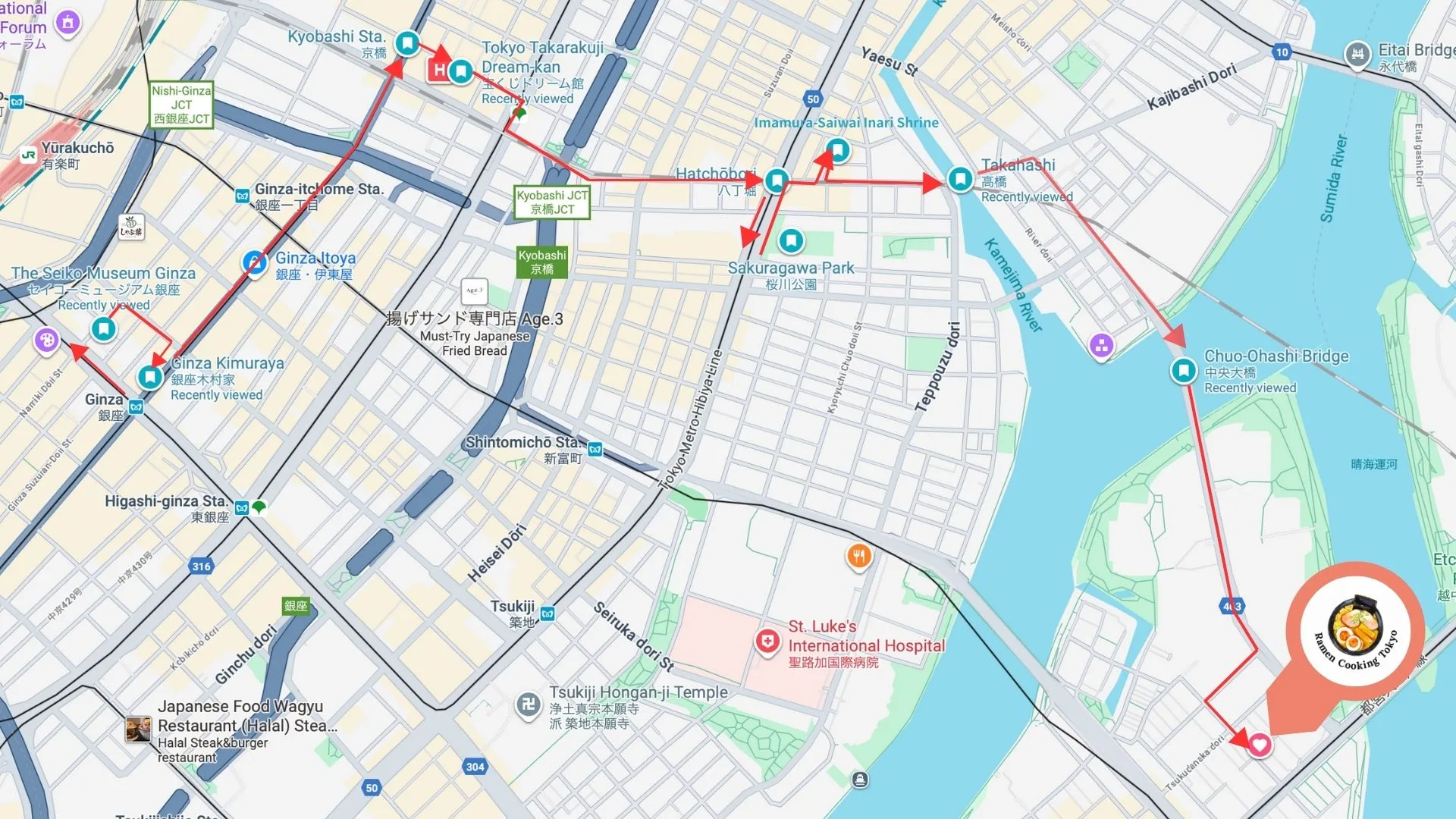
This 90-minute route takes you through some of Tokyo’s most fascinating neighborhoods. You’ll explore luxury shopping streets, discover free museums, taste legendary Japanese bread, find hidden shrines, and cross beautiful bridges with stunning views of the Tokyo skyline. By the time you arrive at Ramen Cooking Tokyo, you’ll have worked up the perfect appetite for making—and eating—delicious ramen and sushi!
The best part? You’ll experience a side of Tokyo that most tourists never see. From the elegant boutiques of Ginza to the quiet backstreets of Hatchobori, this walk reveals how different Tokyo neighborhoods flow seamlessly into each other.
Let’s start walking!
Starting Point: Ginza Station

Begin your journey at Ginza Station’s B4 exit. Even on a weekday morning, Ginza is already buzzing with energy!
Why Ginza Feels Different
Ginza is Tokyo’s most famous luxury district, but it’s more than just high-end shopping. This is where Japan first embraced Western culture in the Meiji era (1868–1912). The country’s first brick-lined streets were built here, and that pioneering spirit still defines the neighborhood today.
You’ll notice the crowd is a fascinating mix:
- International tourists exploring the boutiques
- Business professionals heading to meetings
- Local regulars visiting their favorite shops
Unlike the chaotic energy of Shibuya or Shinjuku, Ginza feels elegant and refined. As many visitors say: “Tokyo is busy, but Ginza feels sophisticated, not chaotic.”
First Stop: Seiko Museum Ginza (30–60 min)
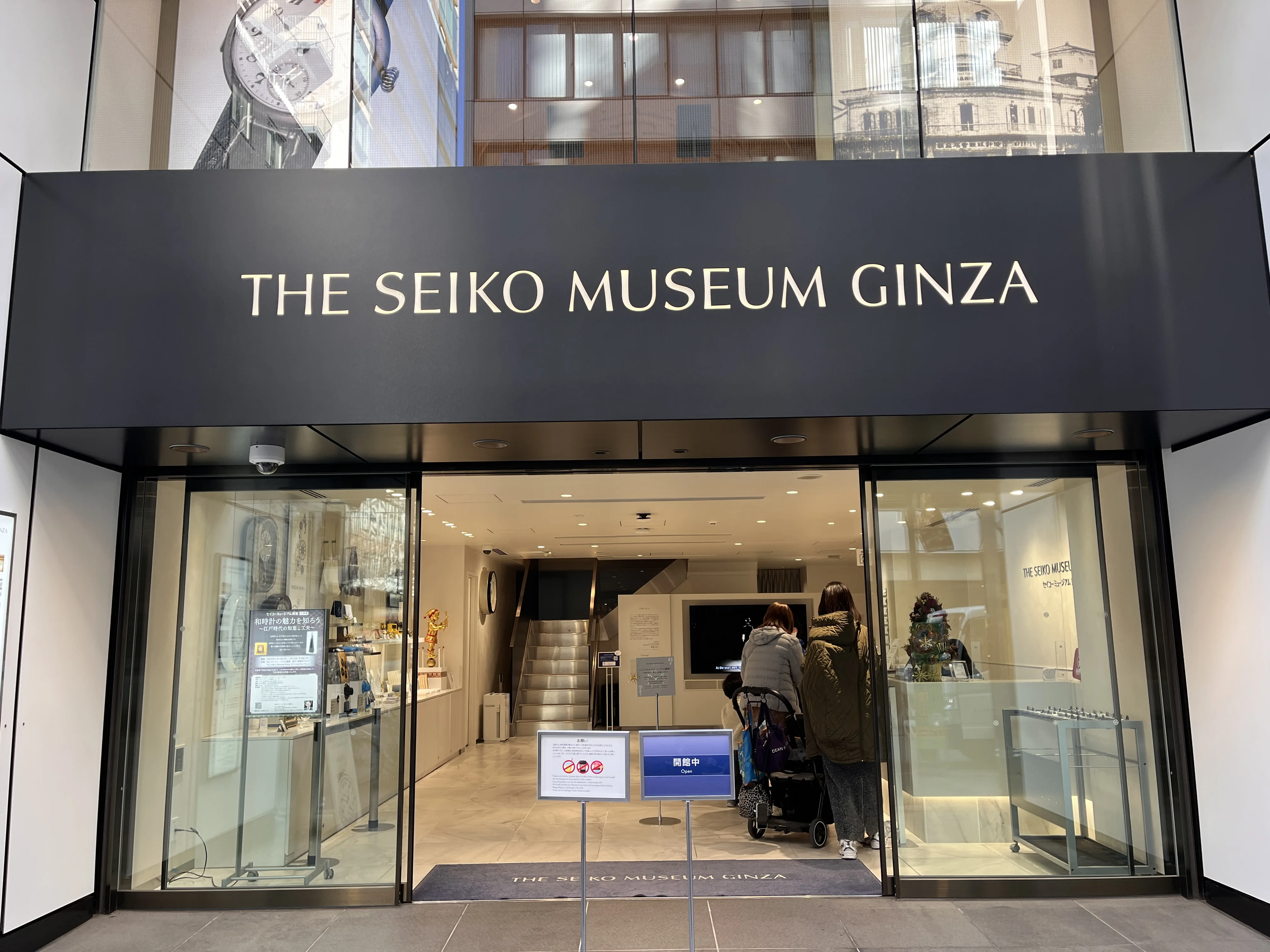
Where timekeeping became modern — here, Japan changed the watch world.
Just a short walk from the station, you’ll find one of Ginza’s hidden gems: the Seiko Museum. Best of all? Admission is free!
Japan’s Gift to World Timekeeping
Did you know that Seiko created the world’s first quartz wristwatch? On December 25, 1969, Seiko released the Quartz Astron 35SQ, revolutionizing the watch industry forever. Before this invention, mechanical watches dominated the market. Seiko’s breakthrough made accurate timekeeping accessible to everyone.
The museum spans seven floors (B1 to 6F), each with a unique theme:
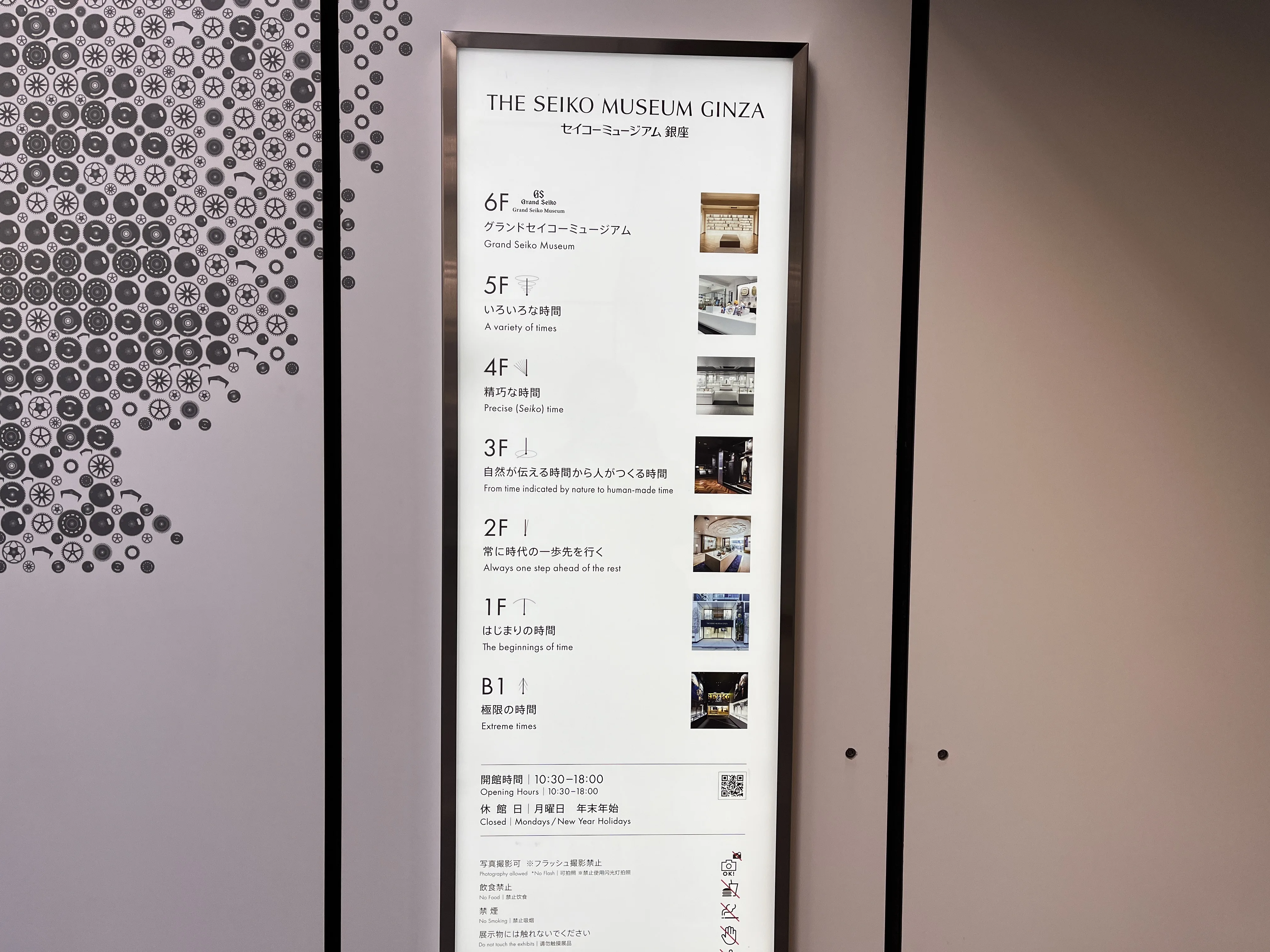
What You’ll Discover
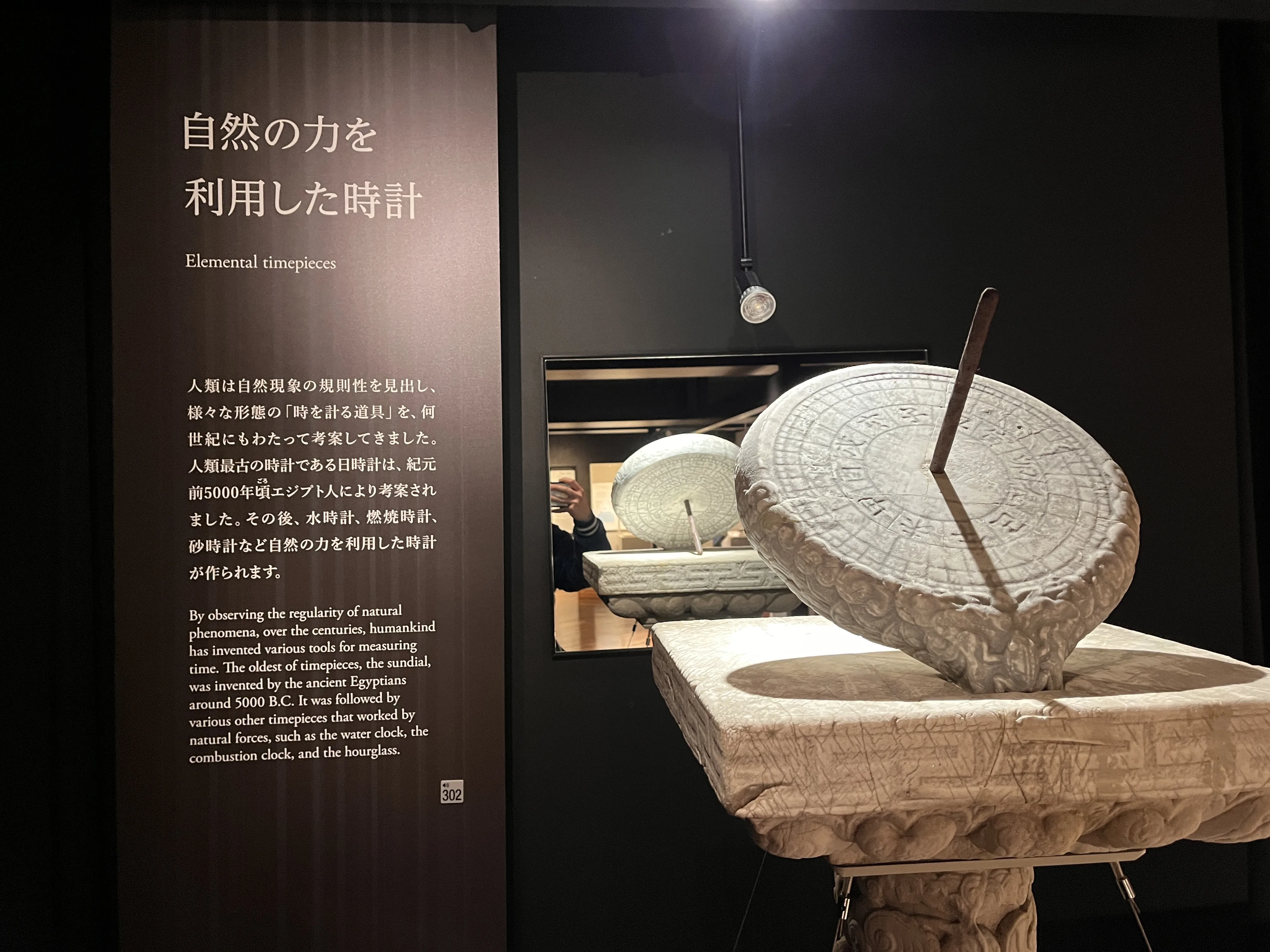
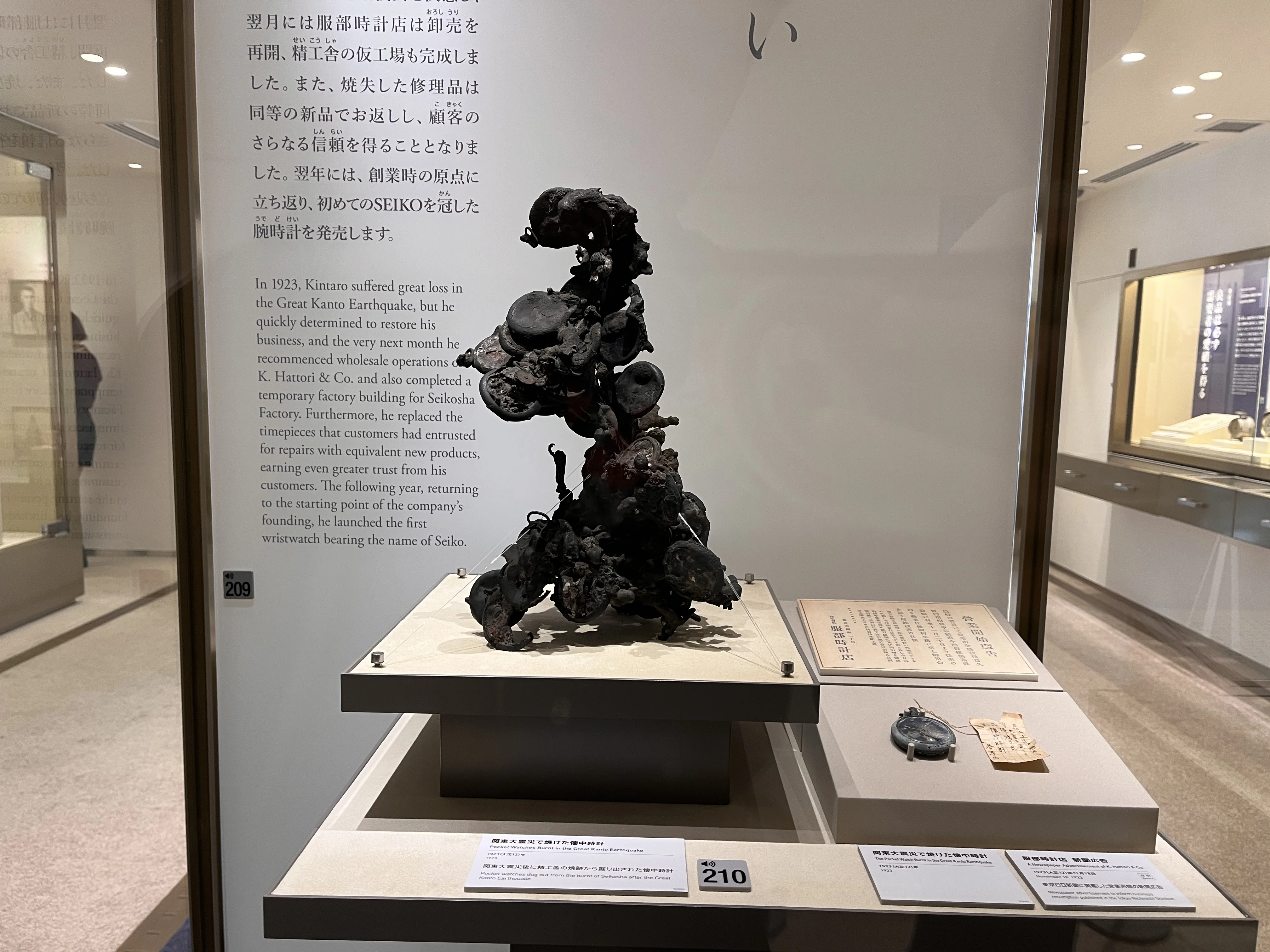
The exhibits trace humanity’s relationship with time—from ancient sundials to cutting-edge technology. Every display includes Japanese and English explanations, making it wonderfully accessible for international visitors.
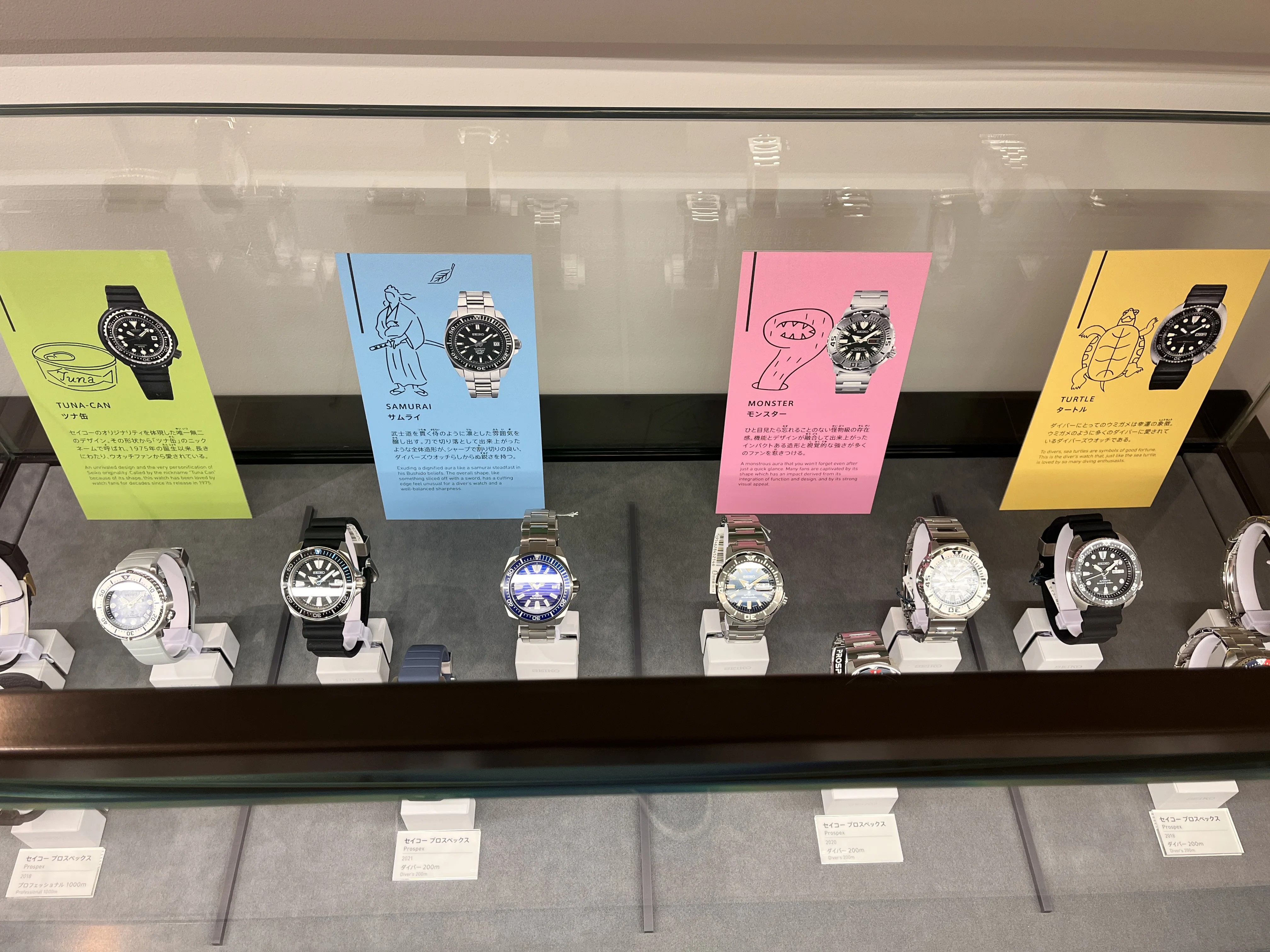

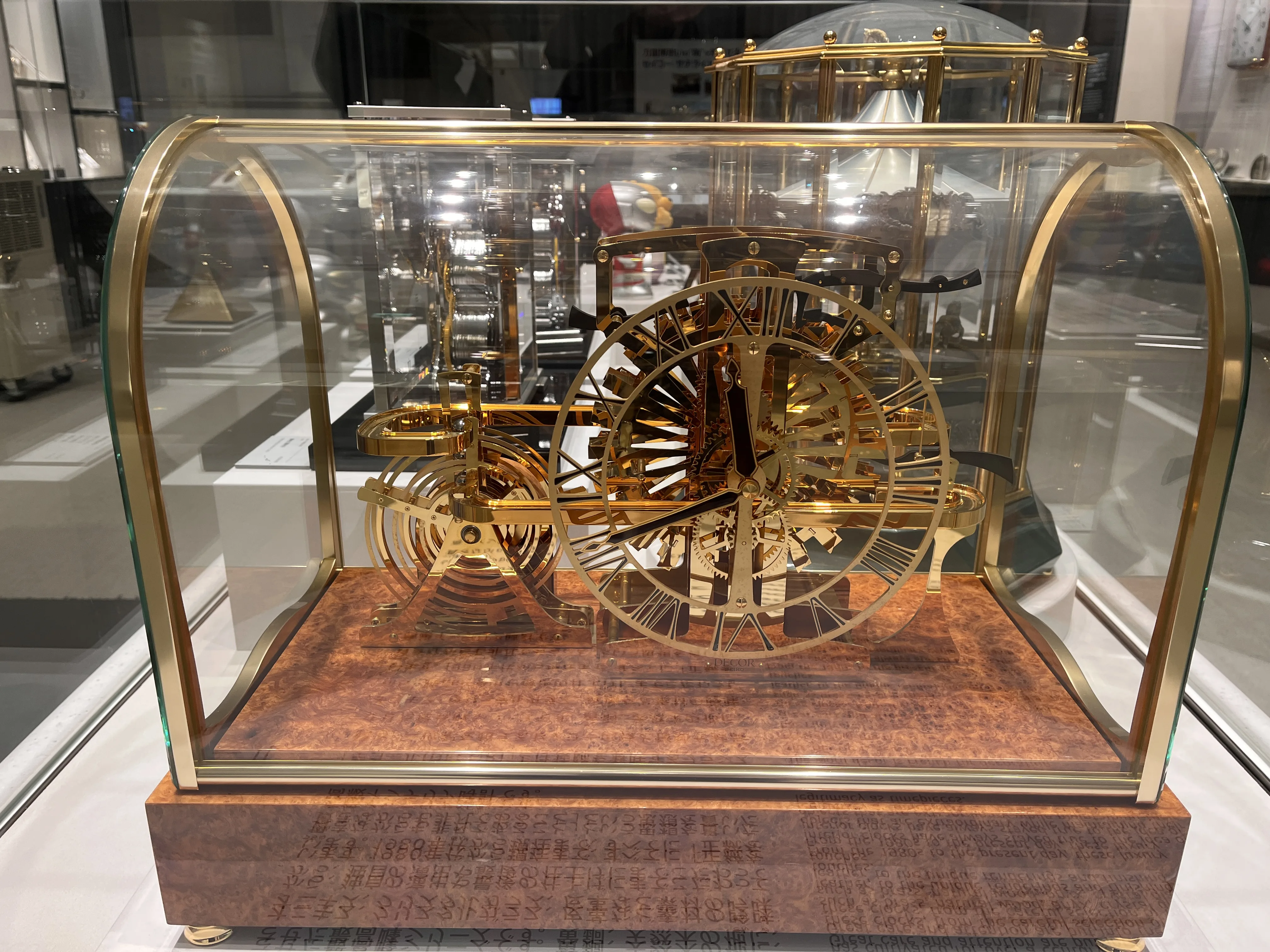
Even if you’re not a watch enthusiast, you’ll find yourself captivated by the stunning variety of timepieces. The craftsmanship is absolutely beautiful—each piece tells a story of human ingenuity and Japanese precision.
We visited without a reservation and had no problem entering. The museum wasn’t crowded, so we could take our time admiring everything. What a luxurious experience!
The Secret Behind the Name
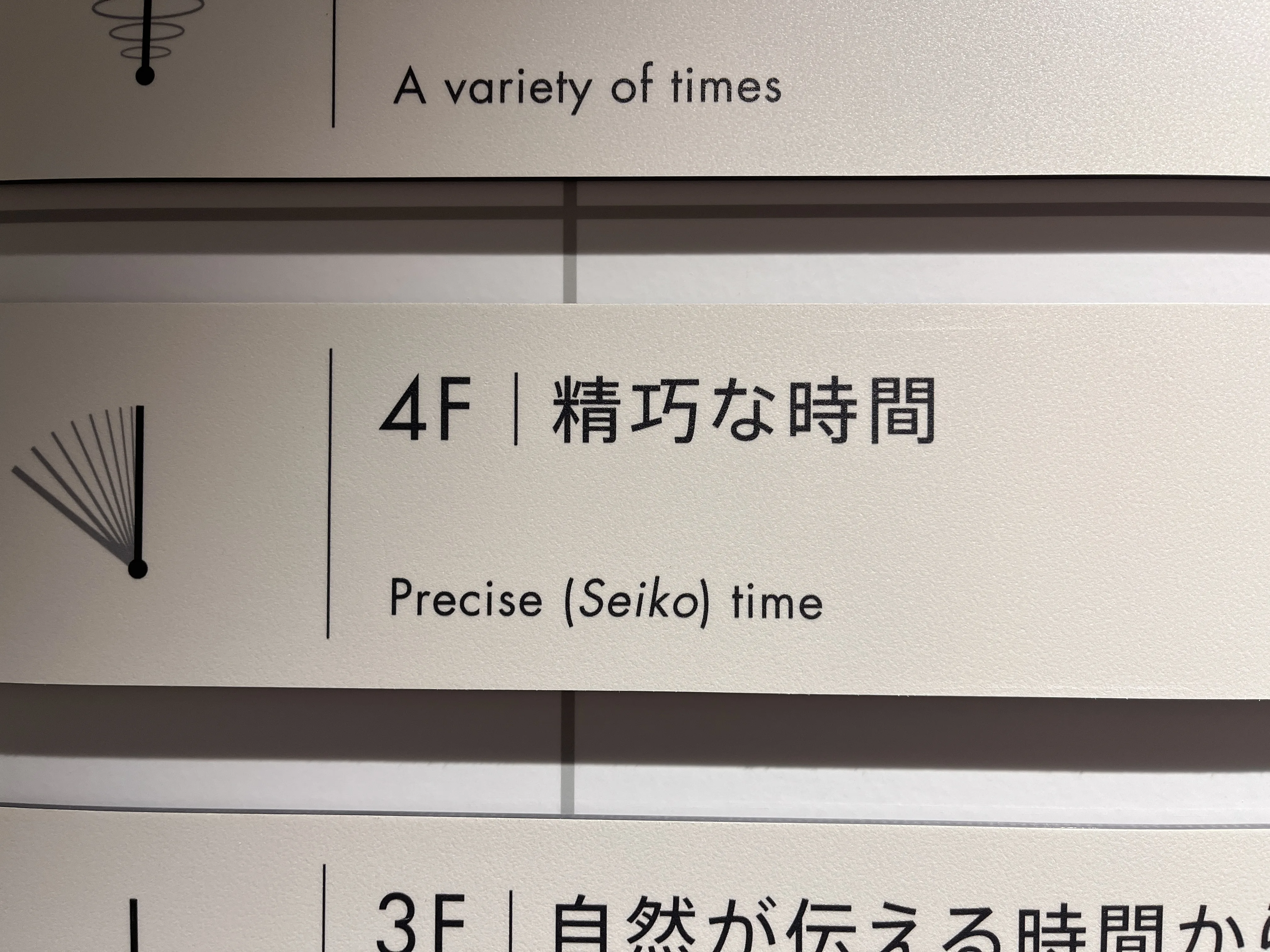
While waiting for the elevator, we noticed an English explanation that revealed something fascinating: “Seiko” means “precise” or “exquisite” (精巧) in Japanese. The brand name itself embodies Japan’s dedication to accuracy and craftsmanship!
Our Top Recommendation: 3rd Floor
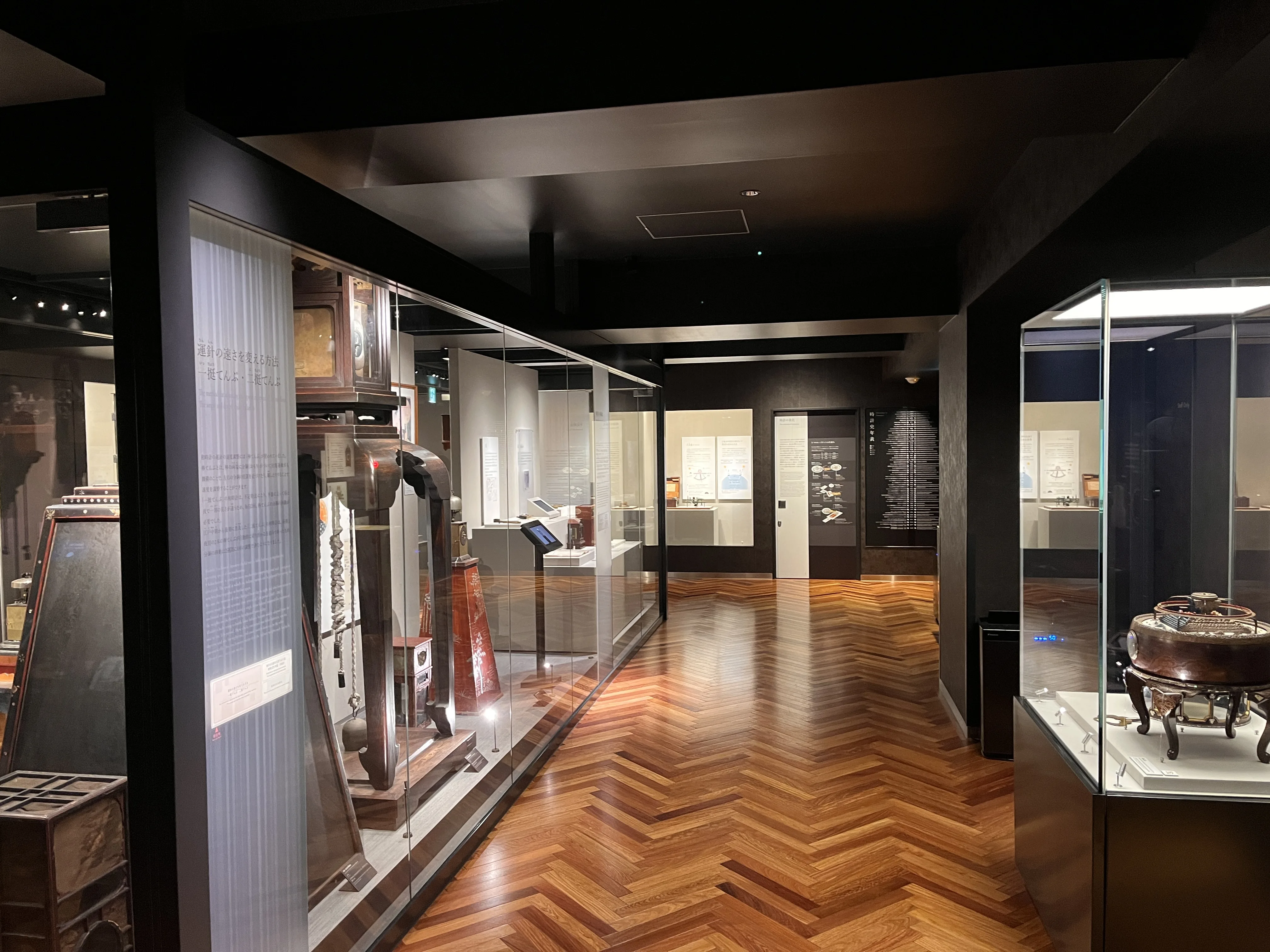
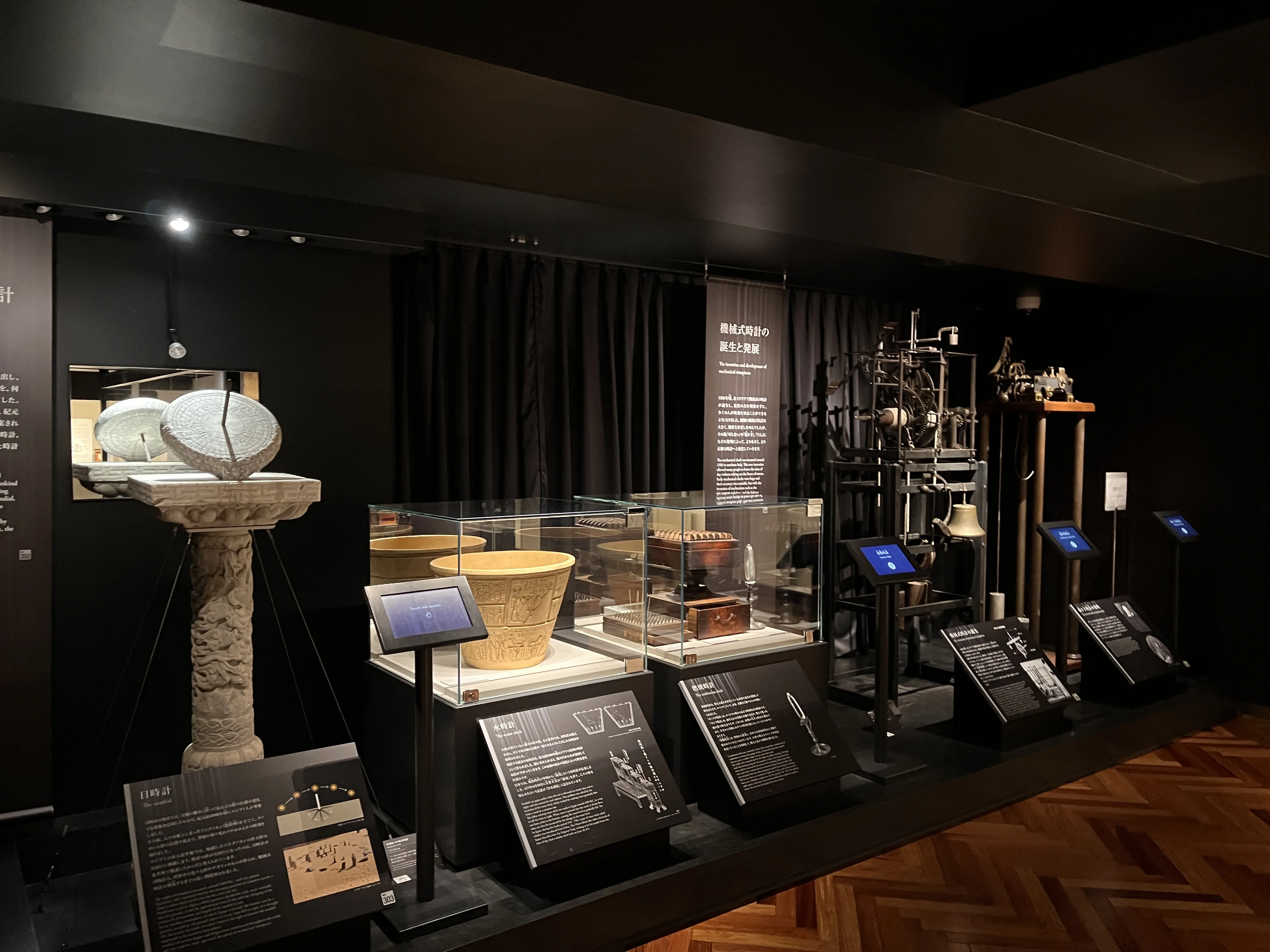
If you only have time for one floor, make it the 3rd floor. When we visited, we had the entire space to ourselves. In the silence, all you could hear was the gentle ticking of pendulum clocks—a truly meditative experience.
Standing there, surrounded by the rhythmic sounds of time passing, we felt something profound. It’s a uniquely Japanese way to experience time: not just measuring it, but feeling it.
Seiko Museum Ginza
- Admission: Free
- Note: Reservations may be required on busy days. Check the official website before visiting
- The museum offers 30/60/90-minute visit courses—perfect for fitting into your walking schedule!
Second Stop: Ginza Kimuraya – Birthplace of Anpan (10–20 min)
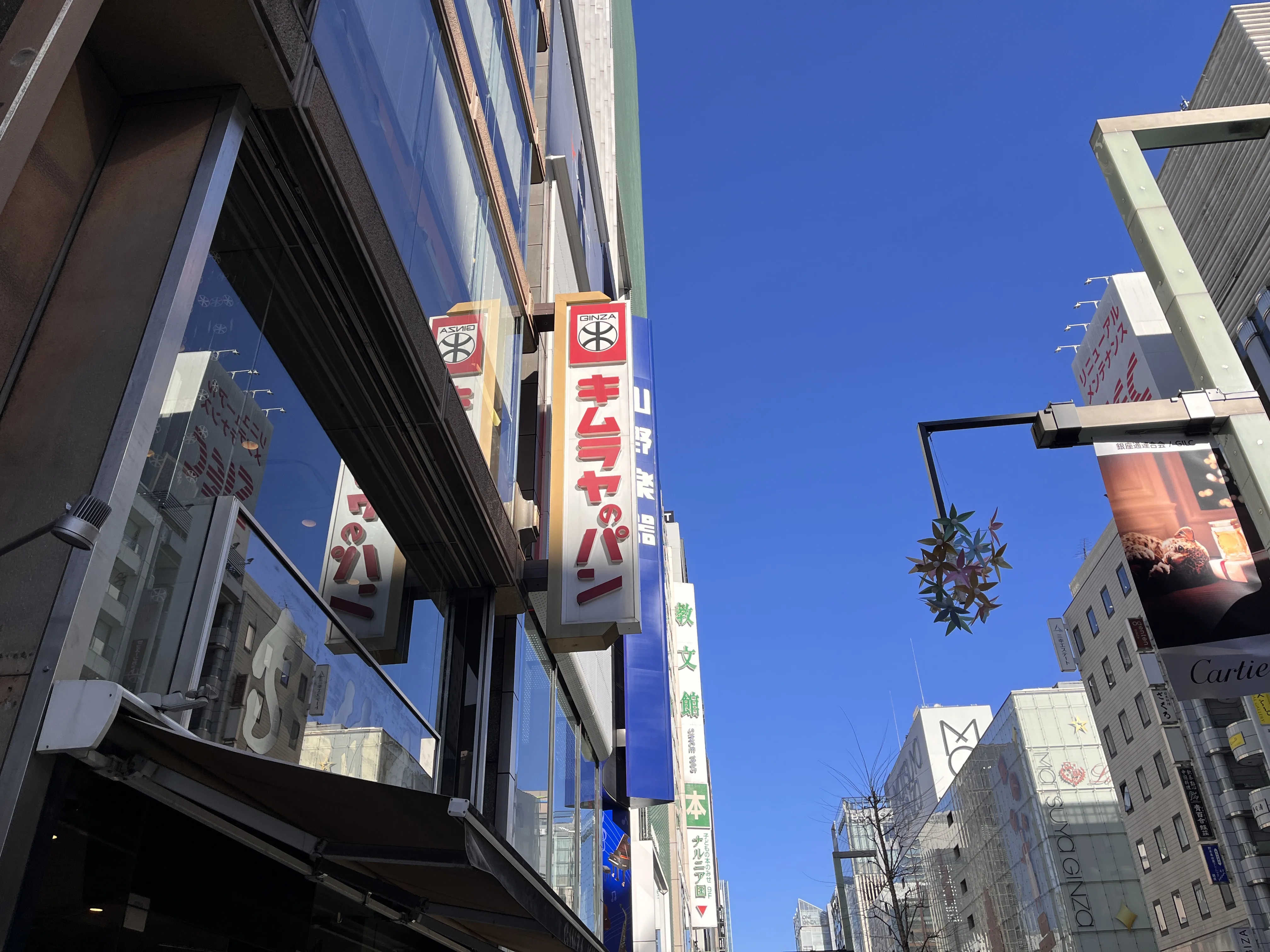
150 years of tradition in every bite — this is where Japanese bread culture began.
Time for a delicious detour! Ginza Kimuraya has been baking bread since 1874, and they invented one of Japan’s most beloved foods: anpan (sweet bean bread).
Not Just Any Bread
What makes Kimuraya’s anpan special? Unlike most bread that uses commercial yeast, Kimuraya uses sakadane—a natural fermentation starter made from rice, koji (the mold used in sake-making), and water.
Think of it as “Japanese sourdough.” The result is a uniquely soft, slightly sweet bread with a delicate aroma that pairs perfectly with the sweet red bean filling inside.
Fun fact: Kimuraya’s anpan was so beloved that it was served to Emperor Meiji in 1875. The bakery created a special version topped with salt-pickled cherry blossoms, which became an instant sensation!
The Shop Experience
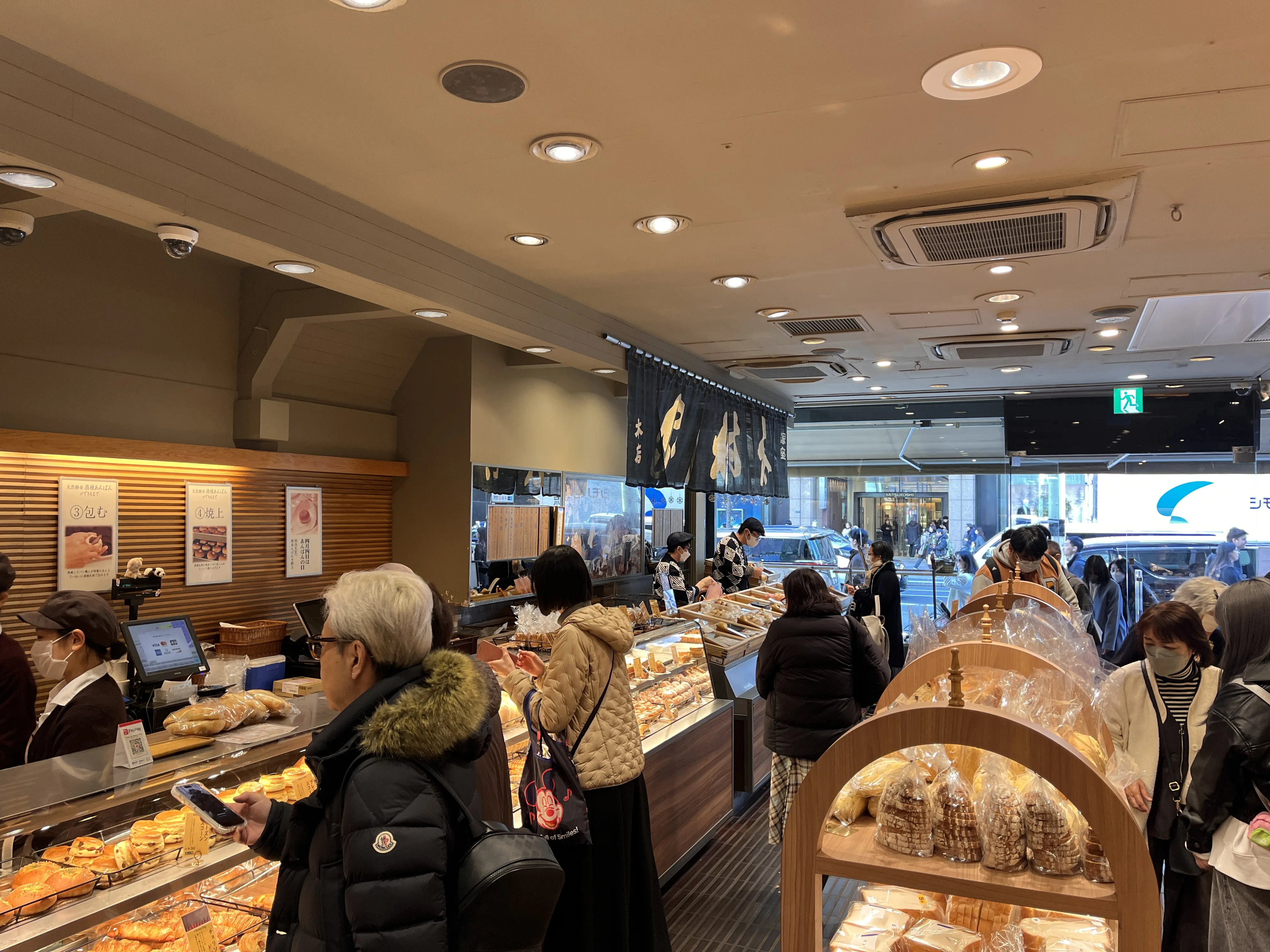
Even before noon, the shop was packed with customers! The lively atmosphere is infectious—locals and tourists alike browse the incredible variety of breads on display.
While anpan is the star, you’ll find many other delicious options. The aroma of freshly baked bread fills the air and makes it nearly impossible to leave empty-handed.
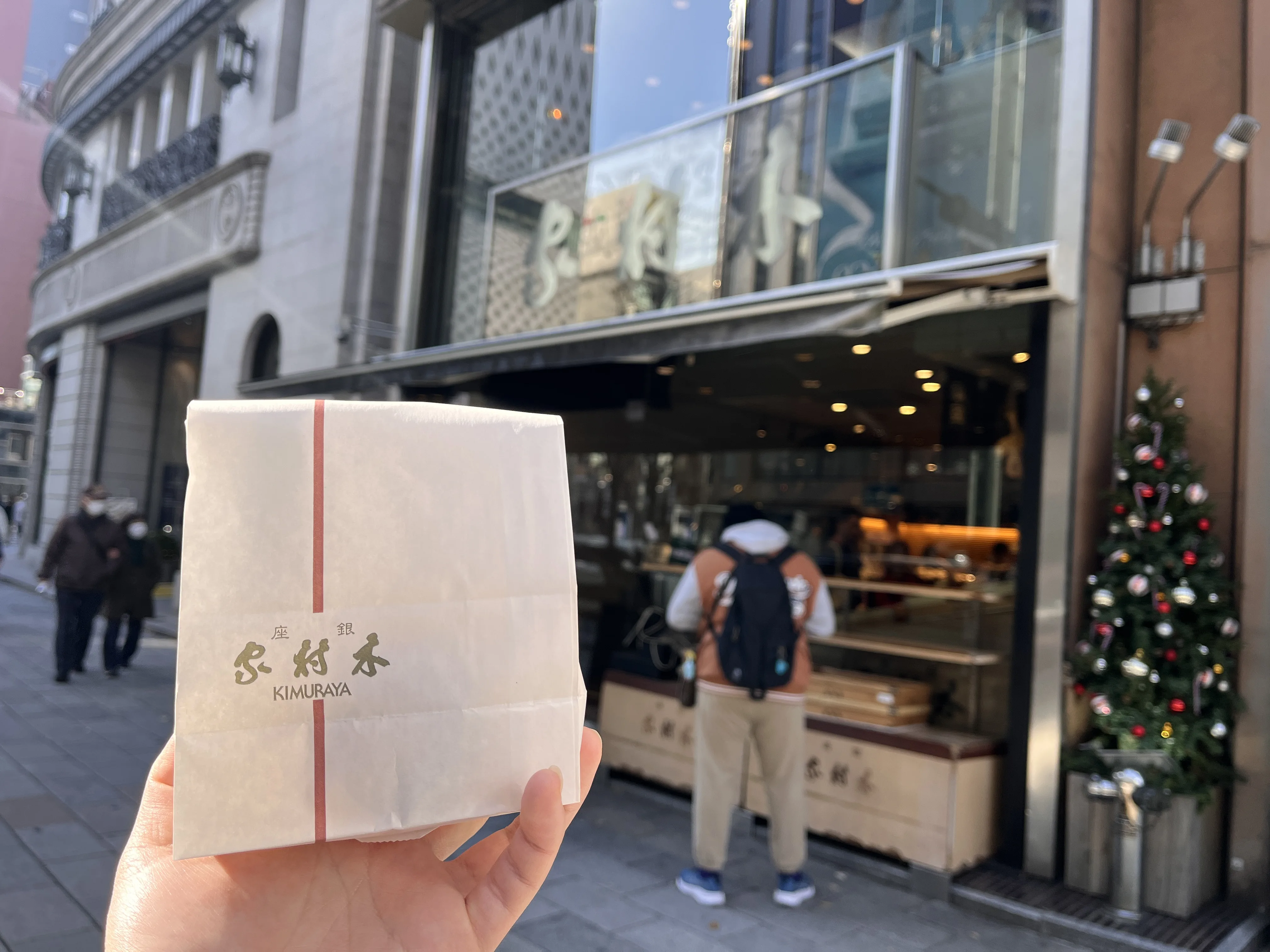
We bought some anpan to enjoy later at a park along our route. The cute, palm-sized buns are perfect for snacking while walking!
Ginza Kimuraya
- Official Website
- The main shop is on the 1st floor; there’s also a café upstairs
Walking Through Ginza
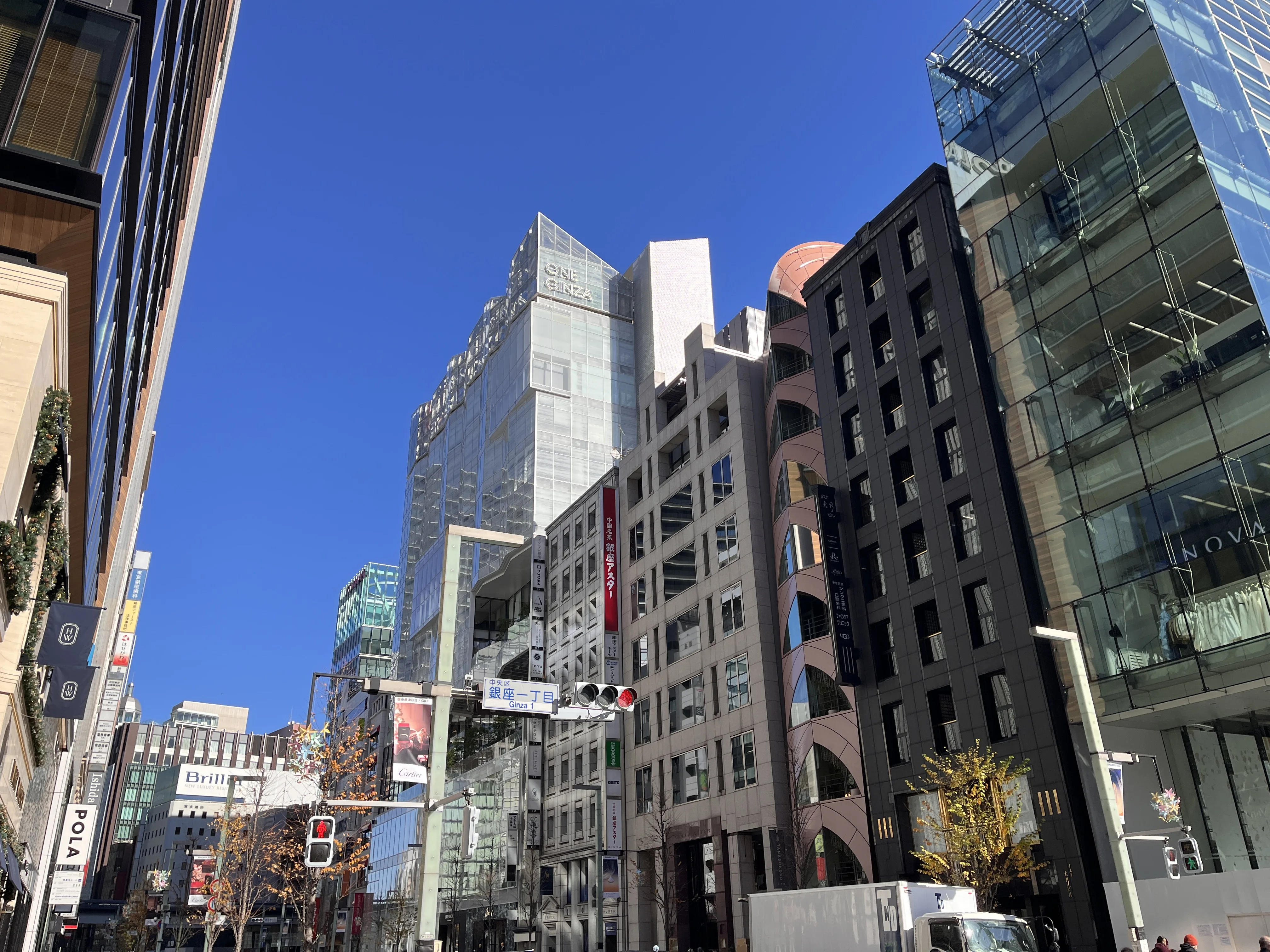
Exit the bakery, turn left, and head straight down the main avenue. You’ll notice that many buildings and shops include “GINZA” in their names—a testament to the prestige this neighborhood carries.
The architecture here is a fascinating mix of classic and contemporary. Historic department stores stand alongside cutting-edge modern designs, creating a streetscape that’s uniquely Tokyo.
Midway Point: Kyobashi Station
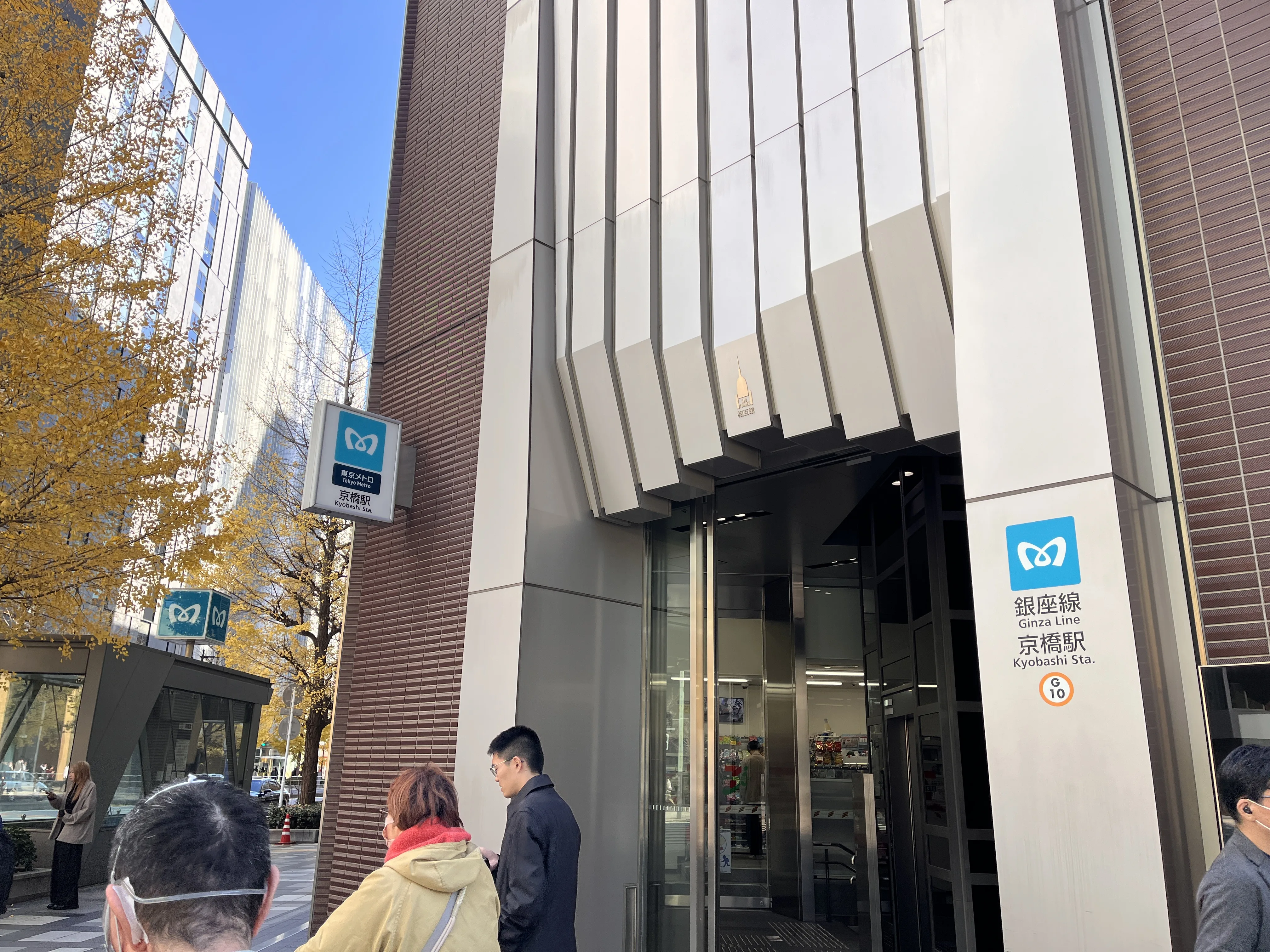
Congratulations—you’ve reached the halfway point! Kyobashi Station marks the transition from glamorous Ginza to the more everyday Tokyo neighborhoods ahead.
Kyobashi has been a transportation hub since the Edo period, connecting different parts of old Tokyo. Today, it’s a mix of office buildings and small shops, giving you a glimpse of working Tokyo.
Third Stop: Lottery Dream Museum (15–25 min)
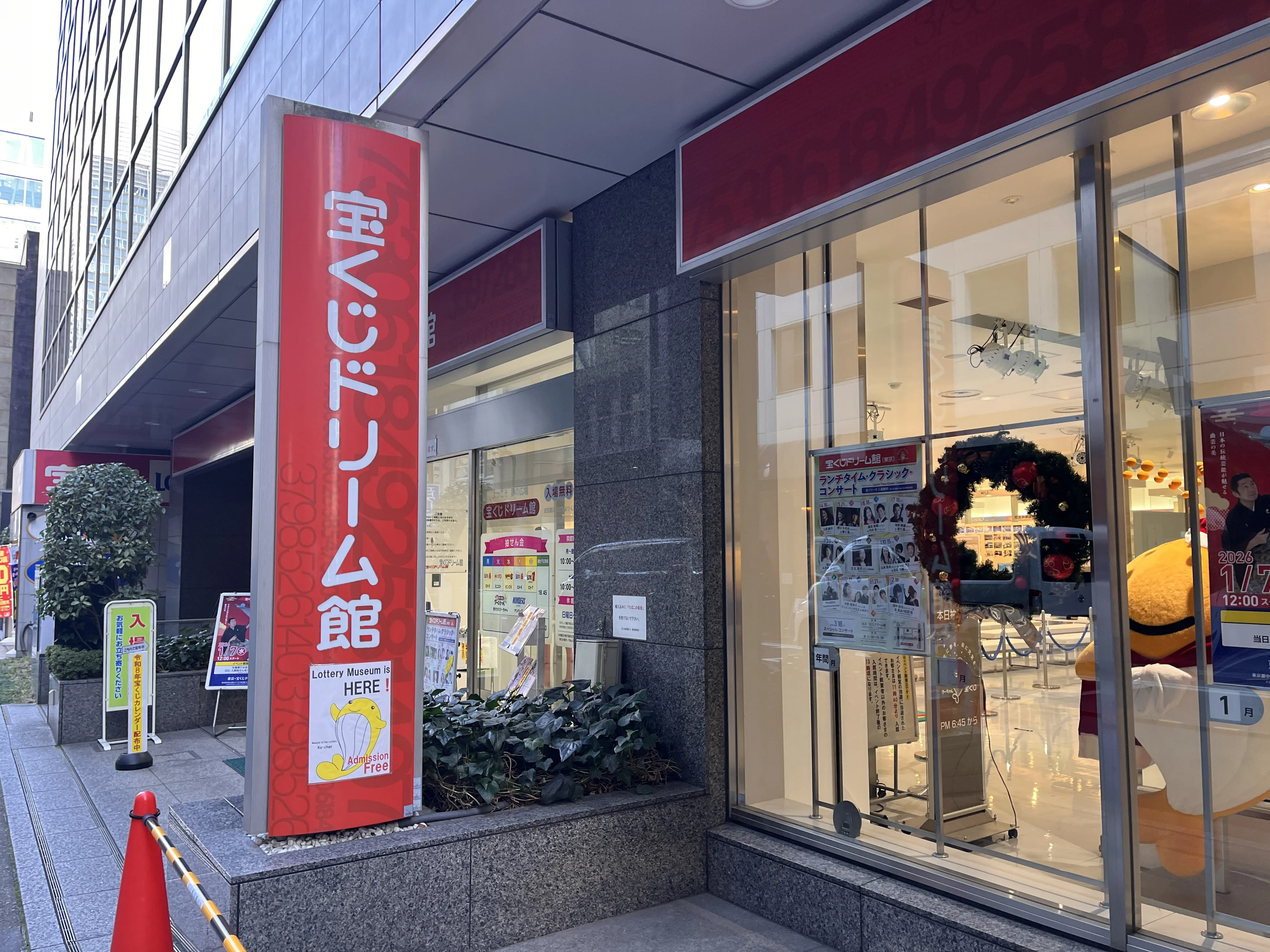
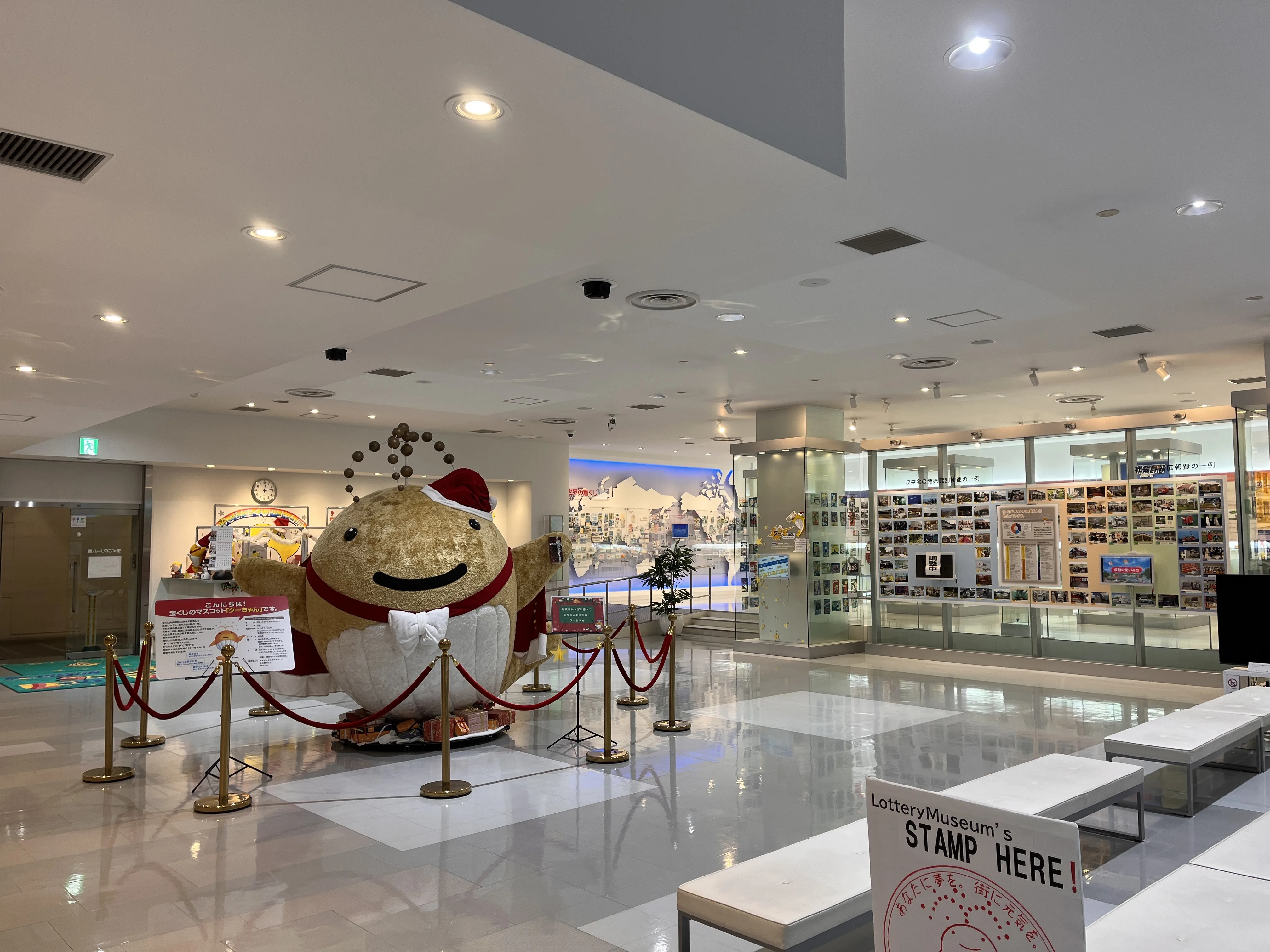
Ever wondered what 100 million yen feels like? Find out here!
Here’s an unexpected find: a free museum dedicated to Japan’s lottery culture! The Lottery Dream Museum offers a fun, interactive look at how Japanese people dream of hitting it big.
While the exhibits are mostly in Japanese, there’s one experience that needs no translation…
Hold 100 Million Yen!
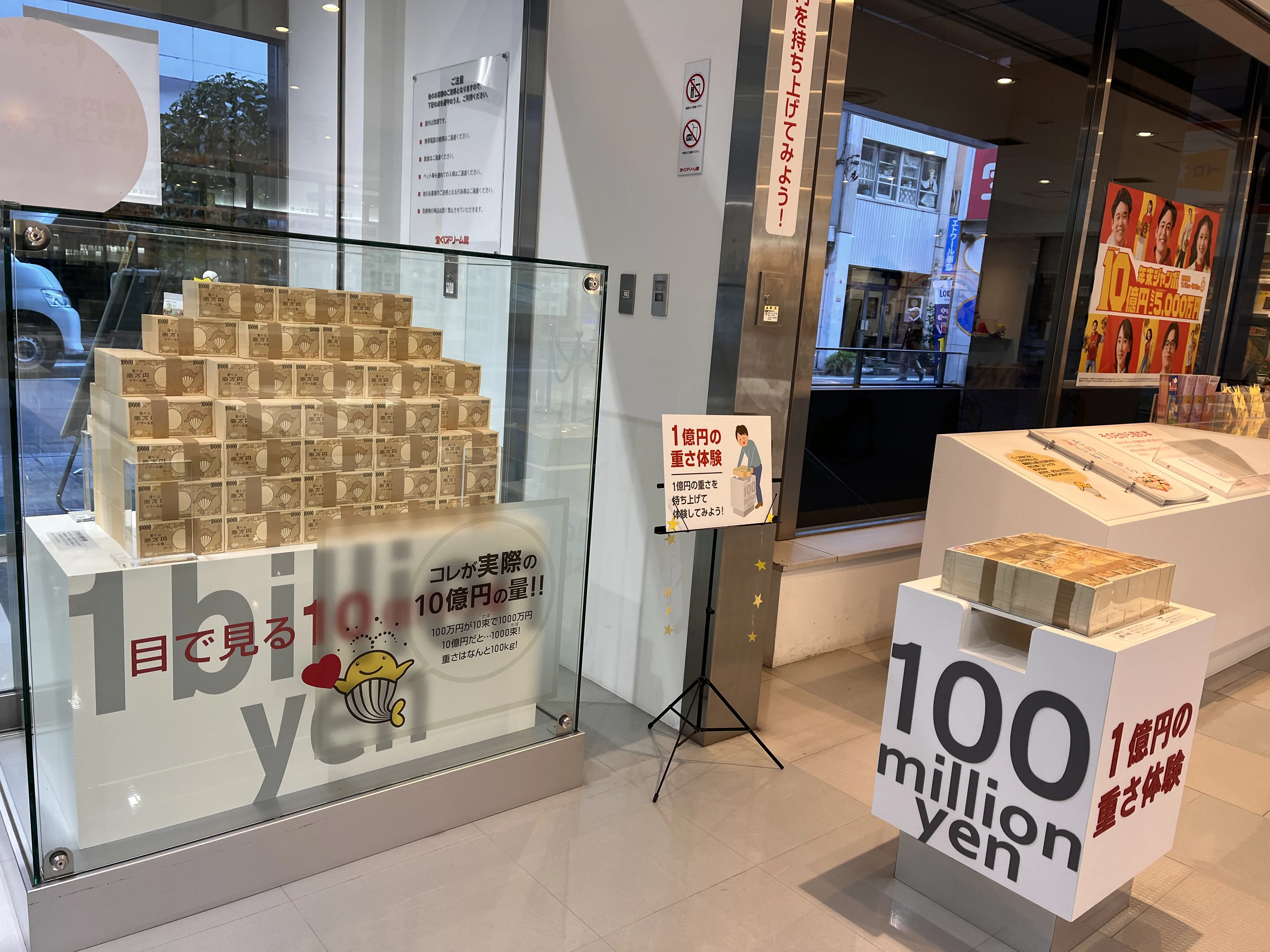
The museum’s most popular attraction lets you feel the weight of 100 million yen (about $670,000 USD)! Pick up the replica cash bundle and see how heavy your dreams really are.
Our honest reaction? “It’s lighter than we expected!” There’s something philosophical about that—value and weight don’t always match. It’s a surprisingly thought-provoking moment in the middle of a fun museum!
The museum also has plenty of benches, making it a nice rest stop along your walk.
Lottery Dream Museum
- Admission: Free
- Note: Limited English signage, but the interactive exhibits are still enjoyable
Toward Hatchobori: Discovering Seasonal Beauty
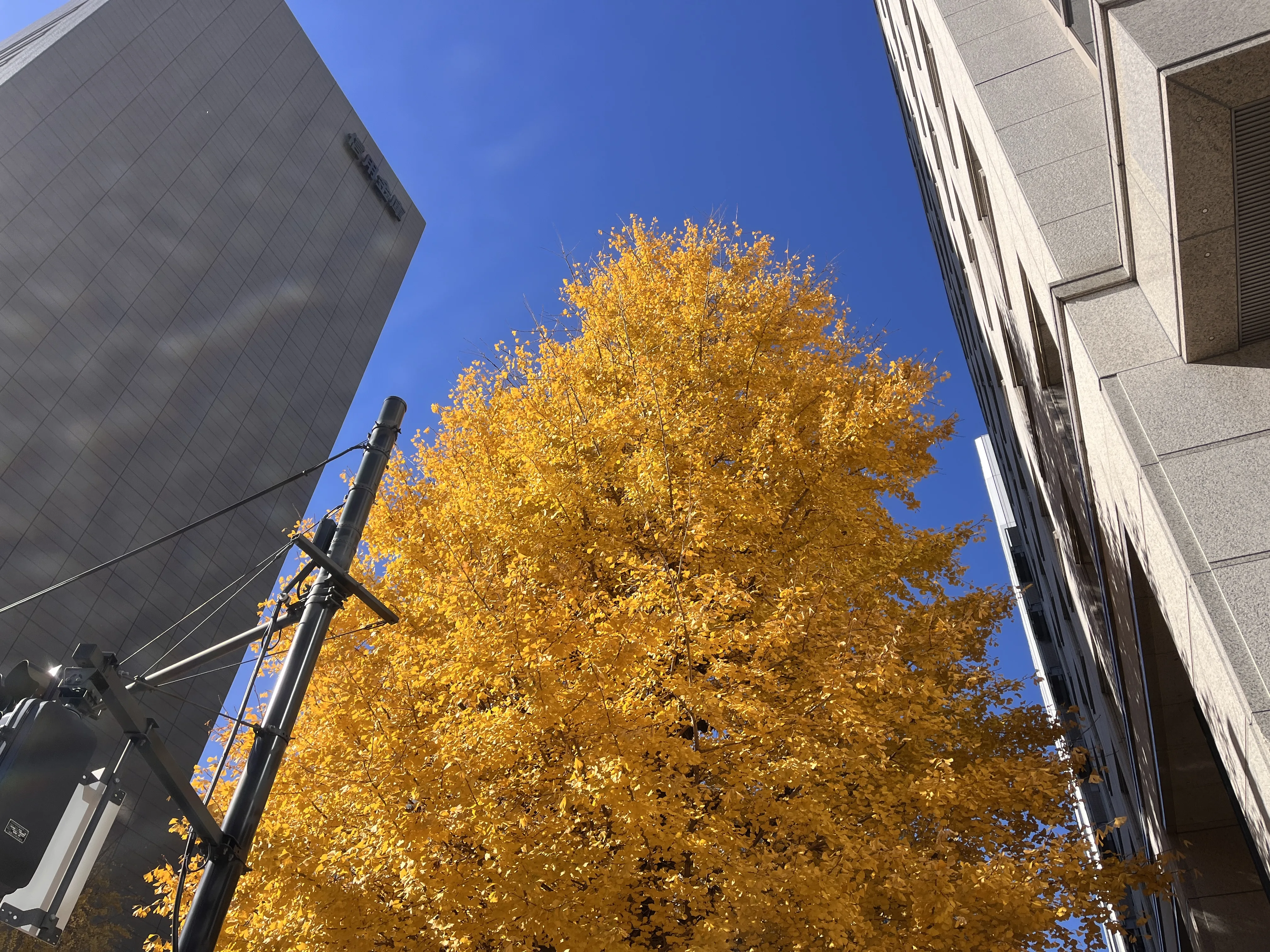
Walking toward Hatchobori Station, we discovered a beautiful ginkgo tree still holding its golden leaves. Against the blue winter sky, the yellow-and-blue contrast was absolutely stunning—a perfect reminder of Tokyo’s seasonal beauty.
Many visitors think Tokyo is all concrete and neon, but moments like this reveal the city’s hidden natural beauty. You just have to slow down and look!
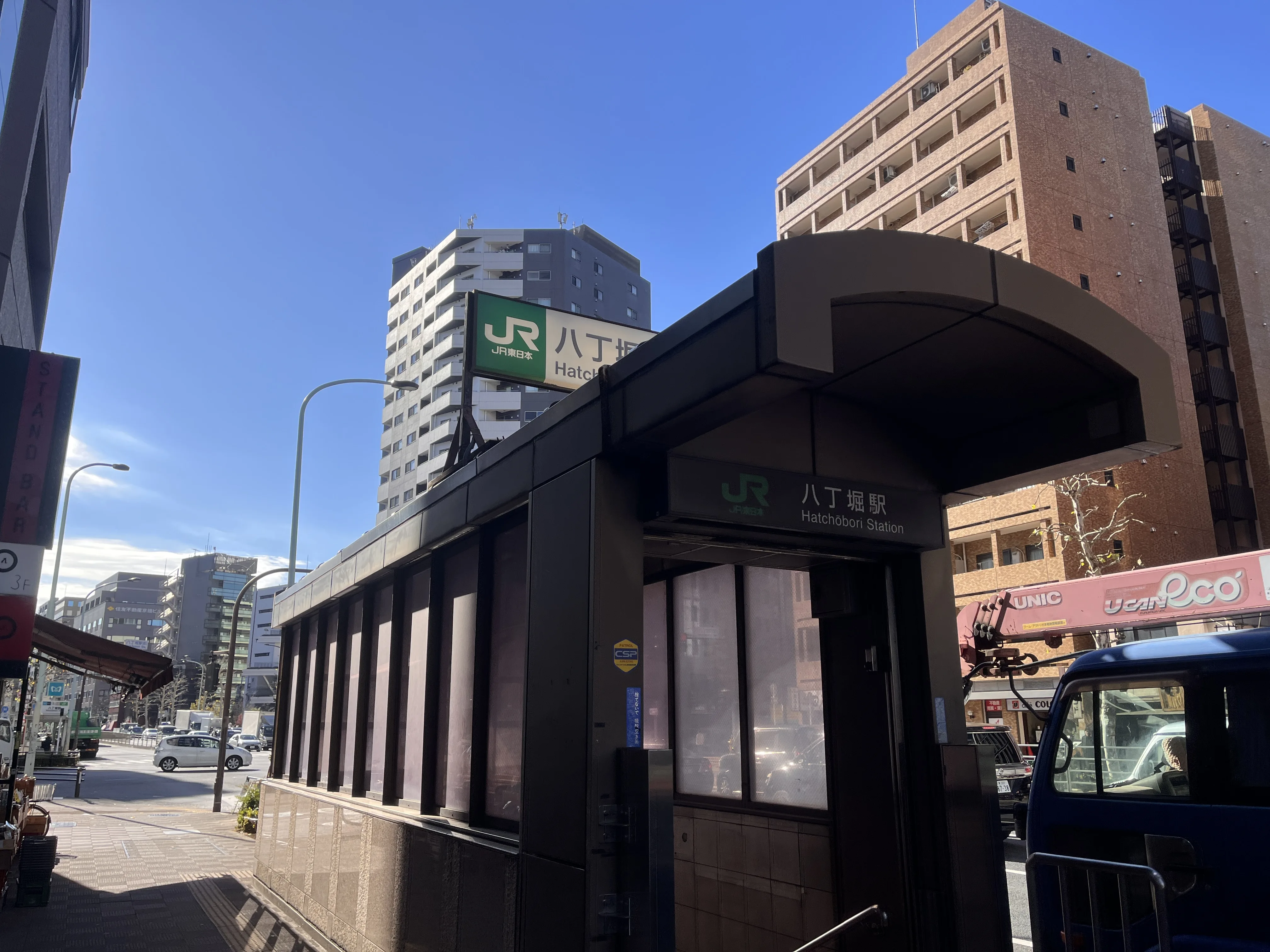
Once you reach Hatchobori Station, you’re getting close to Ramen Cooking Tokyo! Just a bit more walking to go.
Fourth Stop: Sakuragawa Park – Anpan Break! (10–15 min)
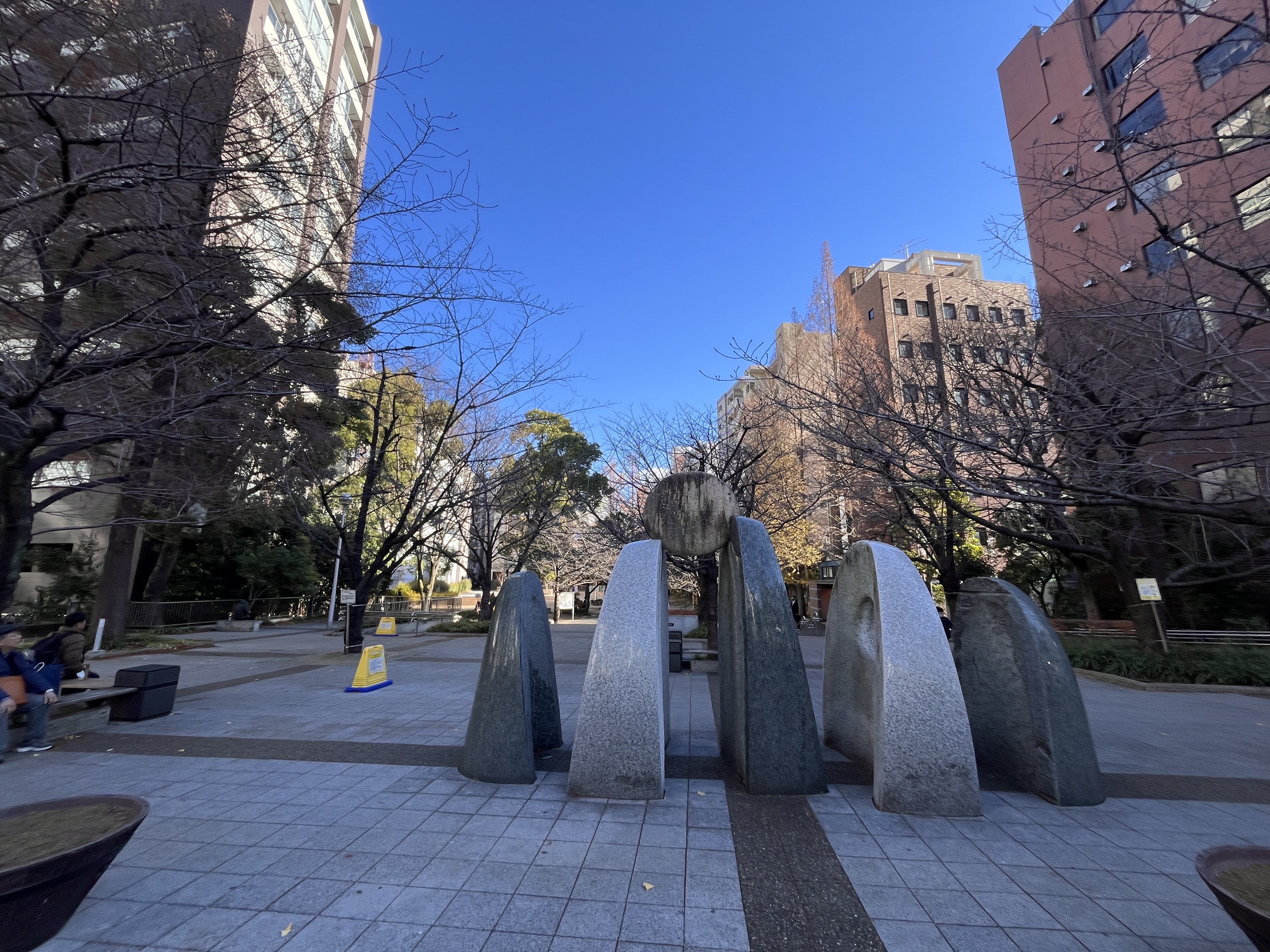
The perfect spot to savor your anpan and experience everyday Tokyo life.
Time to enjoy that anpan we bought earlier! Sakuragawa Park is a small neighborhood park where local office workers gather for lunch. It’s the perfect spot for a quick rest.
On our weekday visit, we saw many salarymen eating their bento boxes on the benches. This is real, everyday Tokyo life—no tourists, no crowds, just locals taking a break.

The anpan was delicious! The cute, palm-sized buns were filled generously with sweet red bean paste. You could taste the subtle sake aroma from the sakadane fermentation—this is truly Japanese food culture in bread form.
If you want to taste something authentically Japanese, this is a wonderful choice. Soft, sweet, and deeply satisfying!
Fifth Stop: Imamura Sachi Inari Shrine (5–10 min)
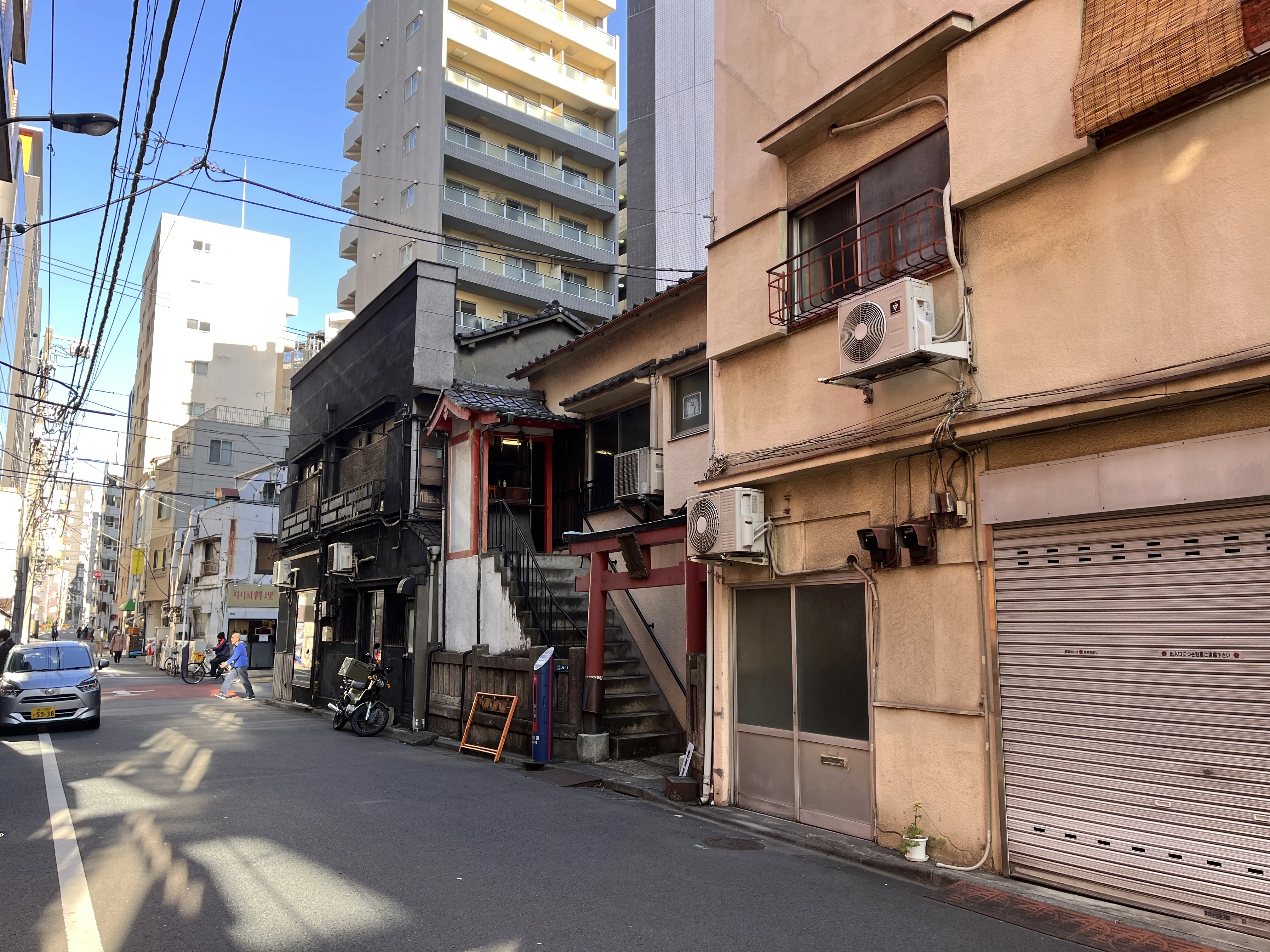
Down this quiet alley, we discovered something special…
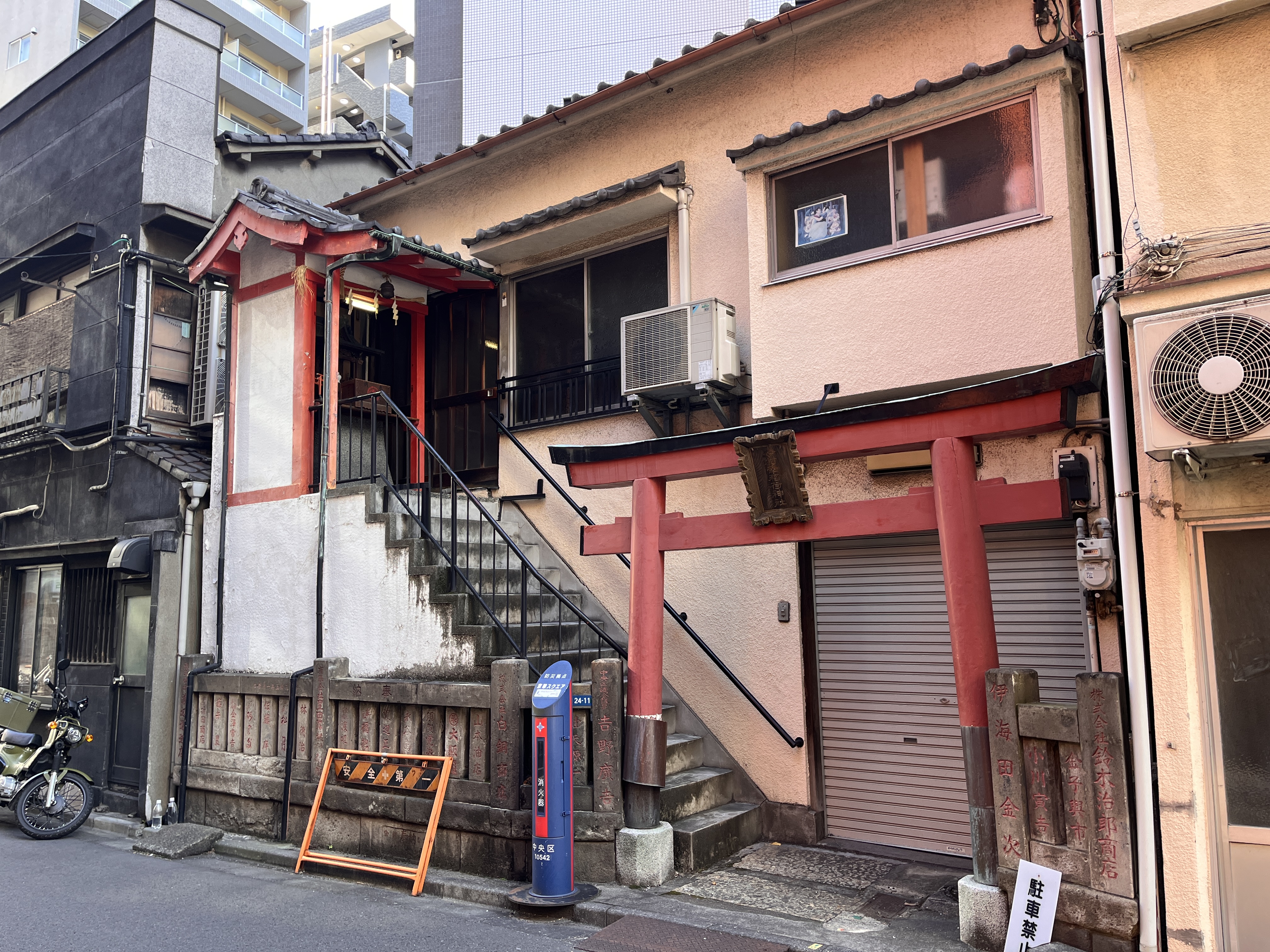
Where locals pray daily — authentic Tokyo spirituality, hidden in plain sight.
Imamura Sachi Inari Shrine—a tiny, hidden shrine tucked between modern buildings!
Why Small Shrines Matter
Did you know Japan has more shrines and temples than convenience stores? While famous shrines like Meiji Jingu draw millions of visitors, it’s these small neighborhood shrines that show how spirituality is woven into everyday Japanese life.
This shrine isn’t designed for tourists—it’s where local residents come for daily prayers. That authenticity makes it even more special.
Inari and Food
Inari shrines are dedicated to the god of harvests, prosperity, and food. Visiting one before a cooking class feels perfectly symbolic! We said a quick prayer for good food and good experiences, then continued toward our destination.
Travel tip: Small shrines like this are often more memorable than famous tourist spots. Keep your eyes open for them as you walk through Tokyo!
Crossing Takahashi Bridge
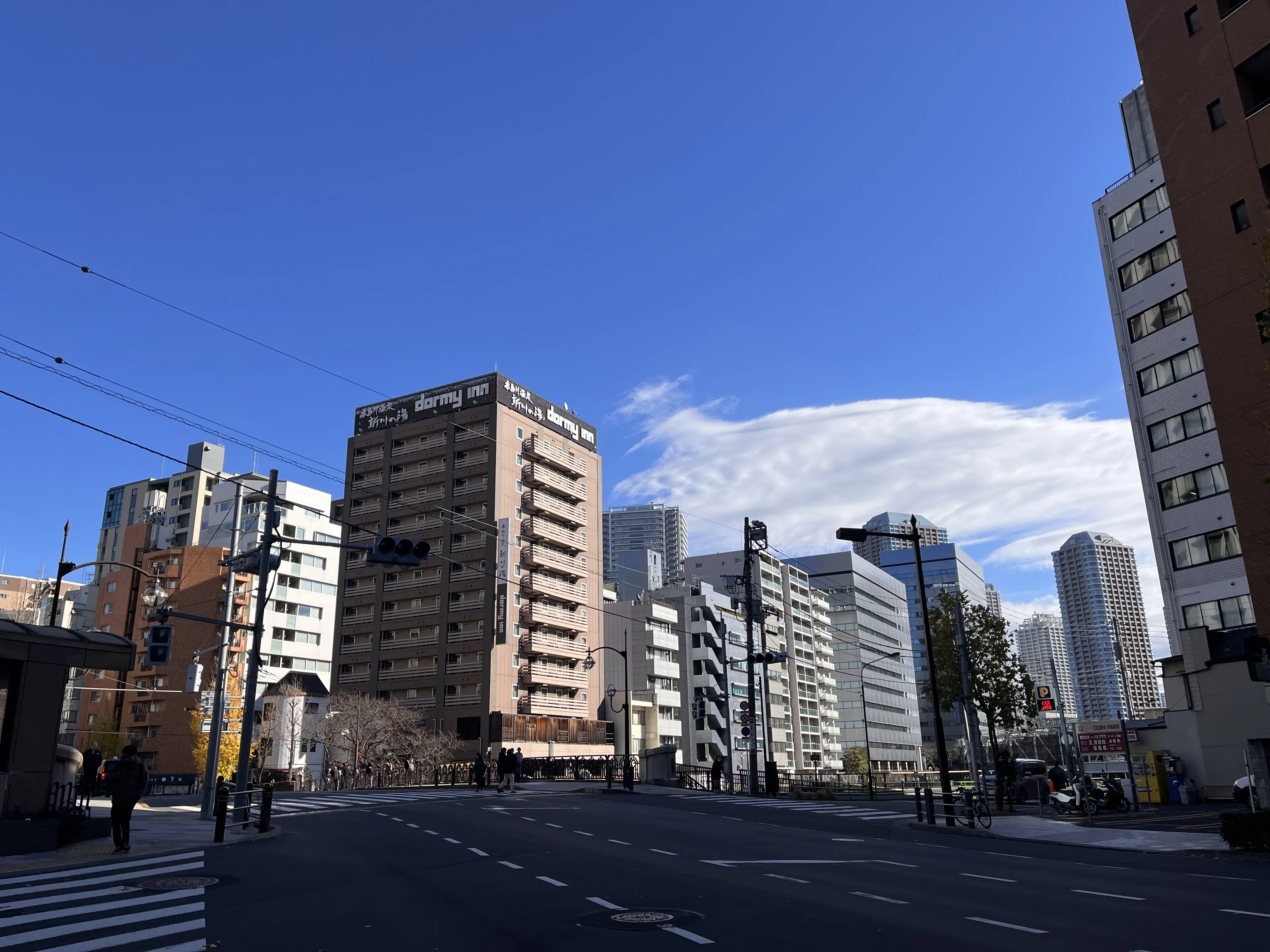
As we crossed Takahashi Bridge, we noticed something interesting: “Takahashi” sounds exactly like a common Japanese family name! In fact, it’s one of the most common surnames in Japan. Hearing it as a bridge name might make Japanese friends chuckle.
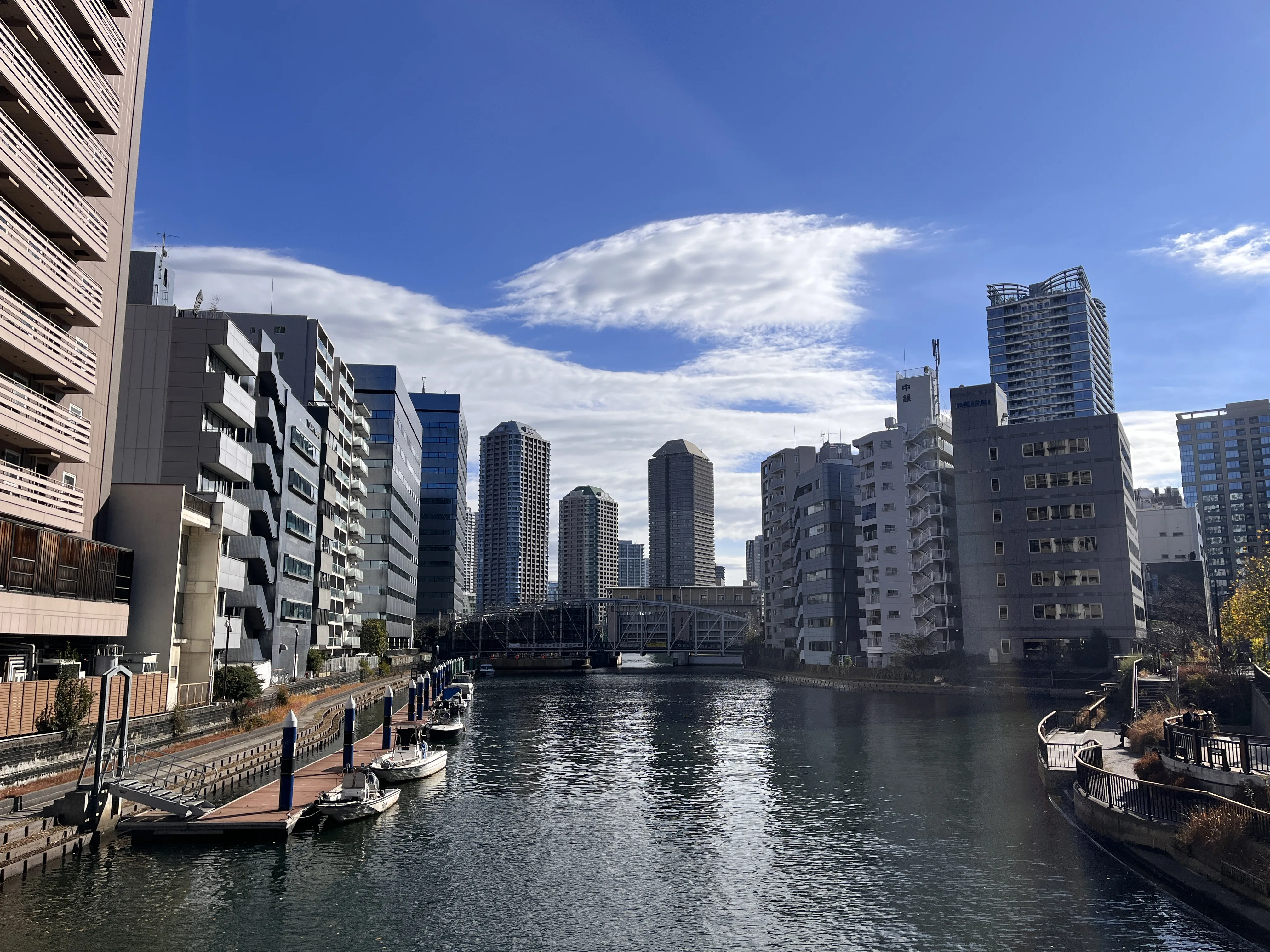
Even this small bridge offers wonderful views. Tokyo’s buildings against the wide blue sky create a beautiful urban landscape. We love this contrast—modern city skyline meeting peaceful river views.
Highlight: Chuo Ohashi Bridge (10–15 min)
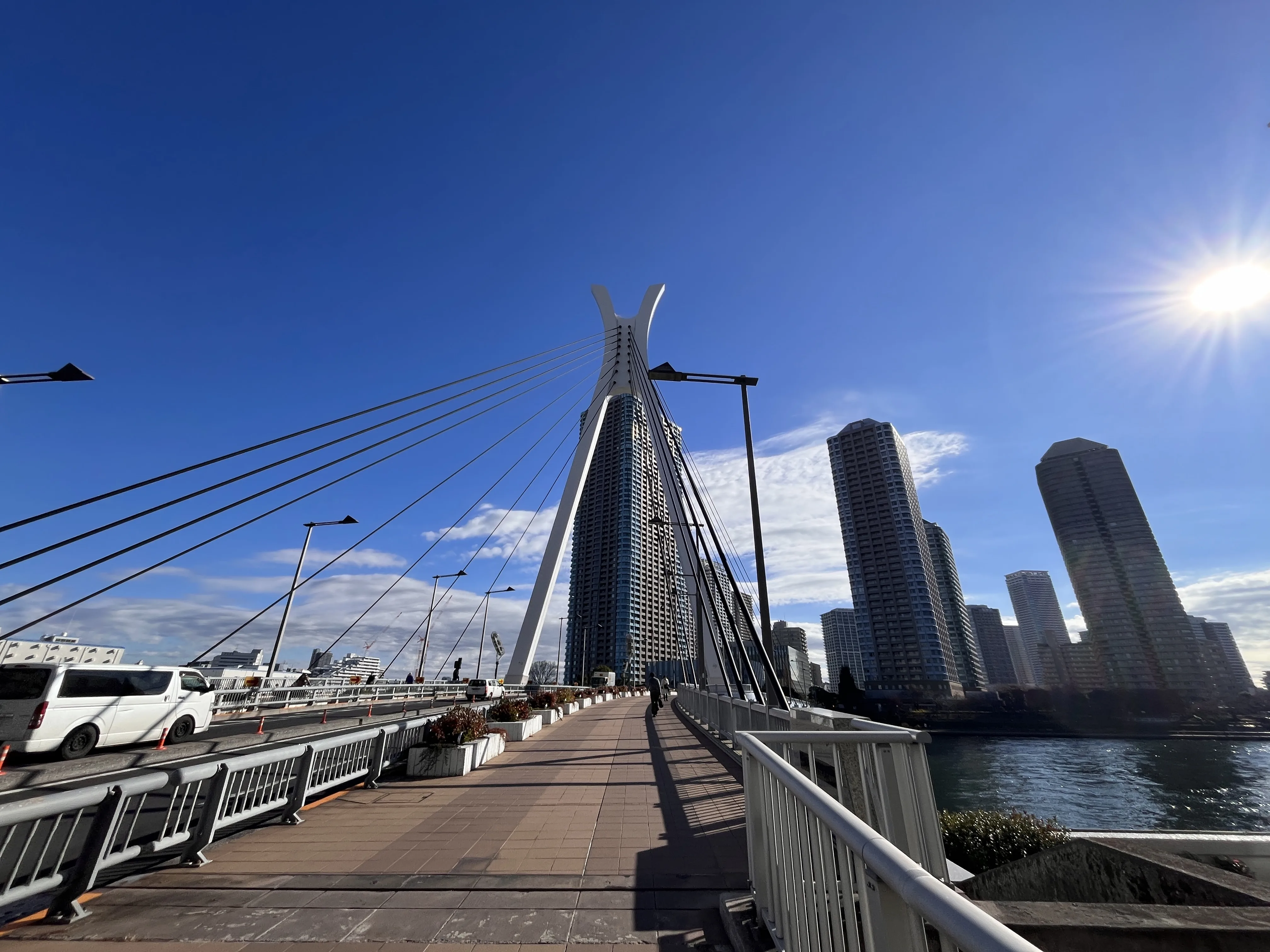
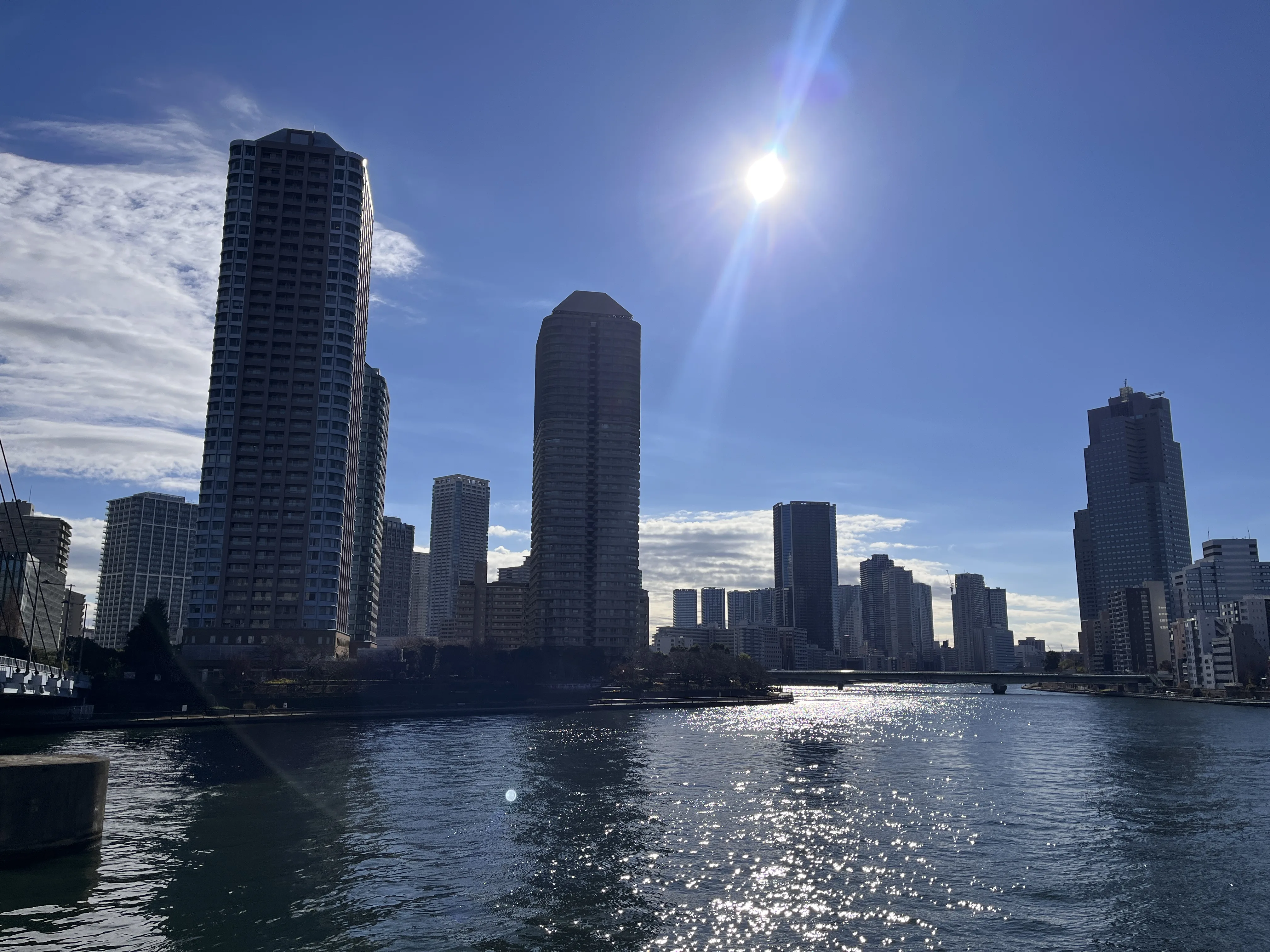
The most beautiful bridge on the Sumida River — your Instagram moment awaits!
When you see Chuo Ohashi Bridge, you know Tsukishima is just around the corner! This modern cable-stayed bridge is one of the most photogenic in Tokyo.
The Best Bridge on the Sumida River?
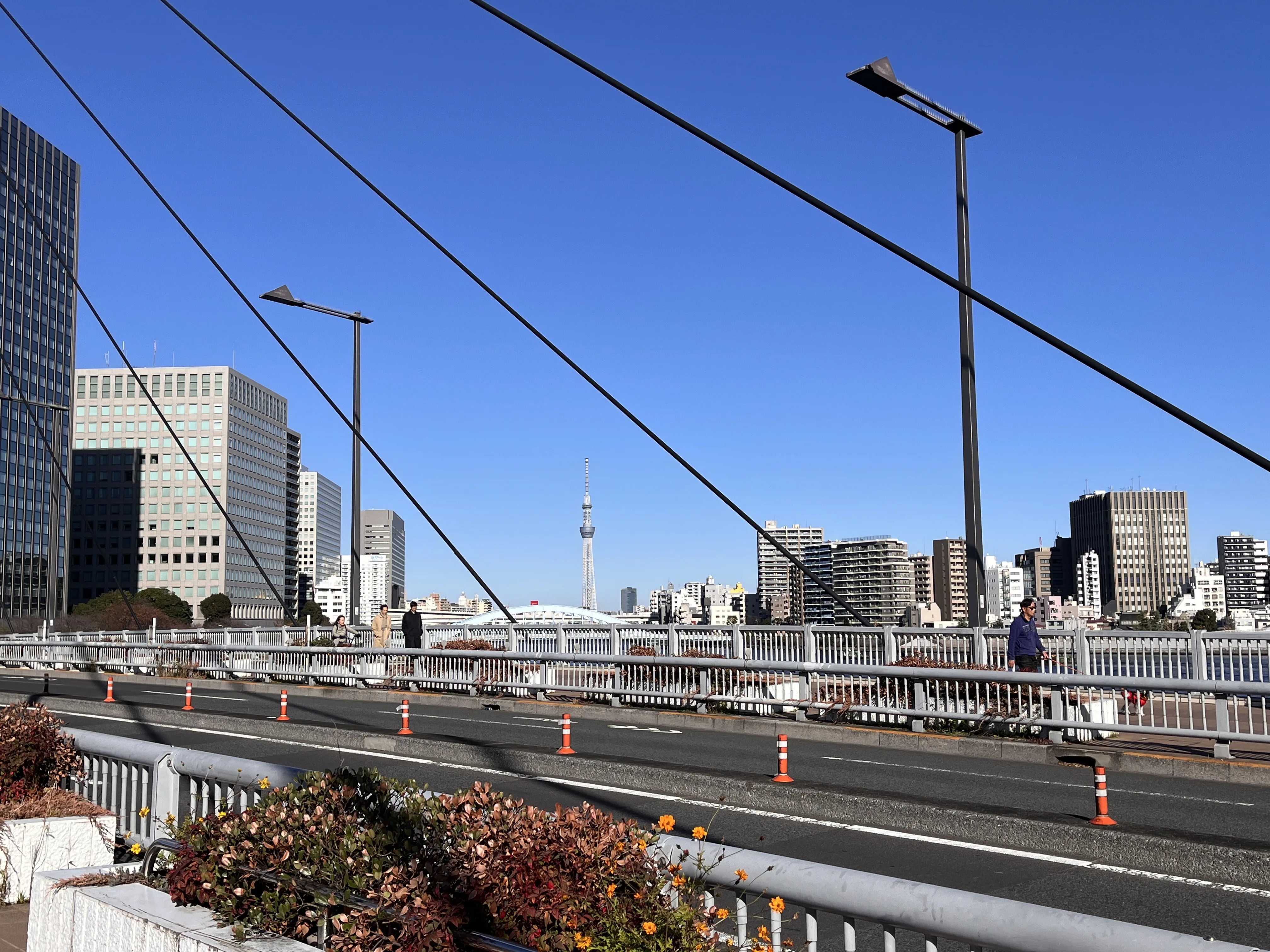
One of the best things about the Tsukishima area is the clear view of Tokyo Skytree from the riverside. On a clear day, the tower rises majestically against the sky—a perfect photo opportunity!
We’d love to walk along the Sumida River all the way to Skytree someday. It’s on our Tokyo bucket list!

The bridge’s unique cable structure creates interesting geometric patterns—great for creative photography! Of all the bridges we’ve walked across on the Sumida River, this one is our favorite for its modern design.
Final Destination: Ramen Cooking Tokyo!
After crossing Chuo Ohashi Bridge, it’s just about 10 minutes to Ramen Cooking Tokyo!
You’ve made it! After a 90-minute walk through Tokyo’s fascinating neighborhoods, you’ve arrived with the perfect appetite. Your stomach is ready, your mind is energized from all the discoveries, and now it’s time to create delicious ramen and shape beautiful nigiri sushi with us!
Our Japanese instructors can’t wait to welcome you. Let’s cook together and fill that hungry belly!
Route Summary
| Detail | Information |
|---|---|
| Total Time | About 90 minutes |
| Best Time | Morning before afternoon class (14:00) |
| Distance | Approximately 3.5 km |
| Difficulty | Easy (flat terrain, suitable for all ages) |
Pro Tips:
- If you love photography, add an extra 20–30 minutes!
- Wear comfortable walking shoes
- The route is stroller and wheelchair accessible
- Bring a small bag for the anpan from Kimuraya!
Quick Reference: Spots Along the Way
| Spot | Highlight | Time | Free? |
|---|---|---|---|
| Ginza Station | Start point, luxury district | — | — |
| Seiko Museum Ginza | World-class timepieces, Japan’s precision | 30–60 min | ✅ |
| Ginza Kimuraya | Legendary anpan since 1874 | 10–20 min | — |
| Kyobashi Station | Midway point | — | — |
| Lottery Dream Museum | Hold 100 million yen! | 15–25 min | ✅ |
| Sakuragawa Park | Perfect anpan break spot | 10–15 min | ✅ |
| Imamura Sachi Inari Shrine | Hidden local shrine | 5–10 min | ✅ |
| Chuo Ohashi Bridge | Best Skytree views & photo spot | 10–15 min | ✅ |
| Ramen Cooking Tokyo | Your destination! | — | — |
Perfect Pre-Class Schedule
Here’s how we suggest planning your morning before our 14:00 afternoon session:
| Time | Activity |
|---|---|
| 10:30 | Arrive at Ginza Station |
| 10:45 | Explore Seiko Museum (30–60 min) |
| 11:30 | Visit Kimuraya, buy anpan |
| 11:45 | Start walking toward Tsukishima |
| 12:15 | Quick stop at Lottery Dream Museum |
| 12:45 | Anpan break at Sakuragawa Park |
| 13:00 | Visit Imamura Shrine, cross bridges |
| 13:30 | Arrive at Ramen Cooking Tokyo |
| 14:00 | Cooking class begins! |
This schedule gives you plenty of buffer time. Feel free to adjust based on what interests you most!
More Walking Routes to Explore
Want to try a different route? Check out our other walking guides:
Tsukiji to Tsukishima Walking Guide — A 45-minute scenic walk from Tsukiji Fish Market. Explore temples, artisan knife shops, and the birthplace of tsukudani!
Ningyocho to Ramen Cooking Tokyo — Walk through historic “Doll Town,” discover traditional sweets, beautiful shrines, and stunning waterfront views on this 1-hour route.
Tokyo food experiences: An insider’s guide — The complete guide to eating and making food in Tokyo
Ready to Walk and Cook?
This walking route is the perfect way to start your day before our cooking class. You’ll experience the fascinating contrast between glamorous Ginza and local Tokyo neighborhoods—building appetite and excitement along the way!
By the time you arrive at our studio, you’ll have:
- ✅ Learned about Japanese craftsmanship at Seiko Museum
- ✅ Tasted legendary anpan from Japan’s oldest bakery
- ✅ Discovered hidden shrines and local parks
- ✅ Captured stunning photos from beautiful bridges
- ✅ Worked up the perfect appetite!
We can’t wait to welcome you to Ramen Cooking Tokyo. Come walk, discover, and cook with us—your Tokyo adventure awaits!
See you soon!