When travelers picture Japanese food, sushi often comes to mind first.
But here’s a surprising fact: when visitors actually come to Japan, ramen is now the dish they talk about most.
According to a 2024 survey by Japan’s Tourism Agency, about 18.9% of international visitors said ramen was their single most satisfying dining experience in Japan – outscoring sushi by over 4 percentage points.
So if you’re planning a trip to Tokyo and wondering which cooking class to book, we have good news. A ramen cooking class in Japan is one of the most rewarding, fun, and memorable experiences you can have.
Here are 10 reasons why.
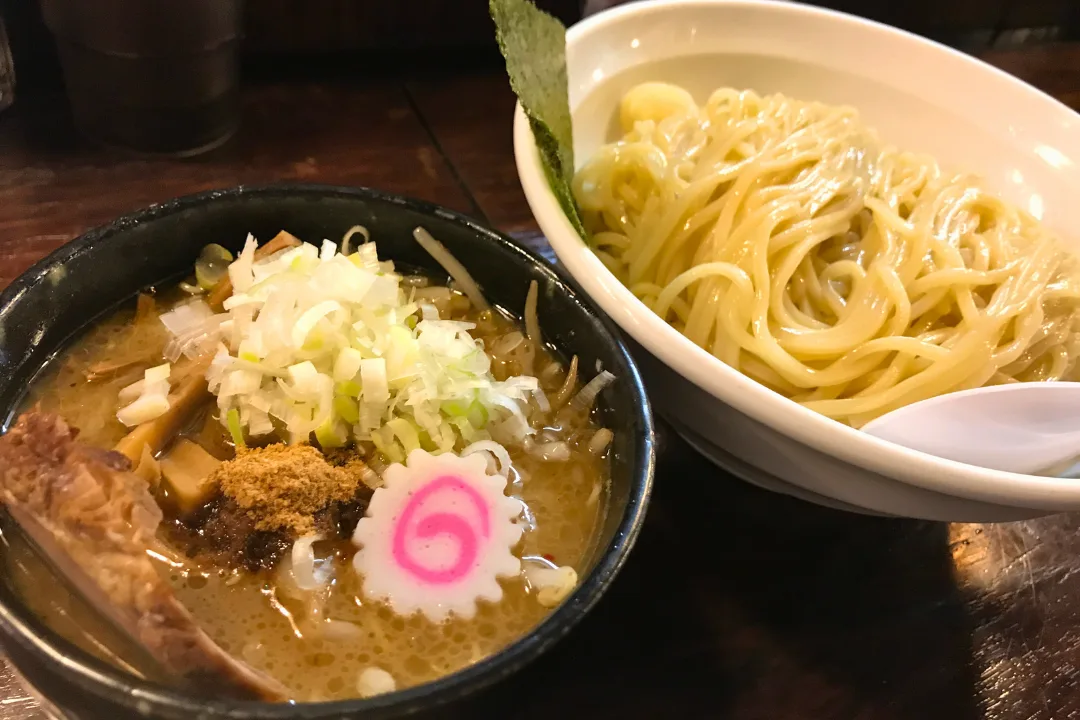
1. Ramen Has Quietly Overtaken Sushi as Japan’s “Must-Eat” Food
For decades, sushi was the undisputed face of Japanese cuisine abroad.
But something has shifted.
The same 2024 tourism survey found that ramen now leads the “most satisfying meal” category among foreign visitors. And credit-rating studies estimate that the ramen restaurant market has grown about 60% in the last decade, reaching roughly 790 billion yen – driven largely by tourists seeking authentic ramen experiences.
What does this mean for you?
A ramen cooking class taps right into what travelers actually love most about eating in Japan. You won’t just be learning a recipe – you’ll be mastering the dish that defines modern Japanese food culture.
2. Japan Is the Home of Ramen Obsession
Let’s talk numbers:
- Over 24,000 ramen shops across Japan – more than sushi restaurants
- Around 5,000 ramen shops in Tokyo alone
- Entire magazines, TV shows, and ranking websites dedicated to ramen
Ramen isn’t just food in Japan. It’s a cultural phenomenon.
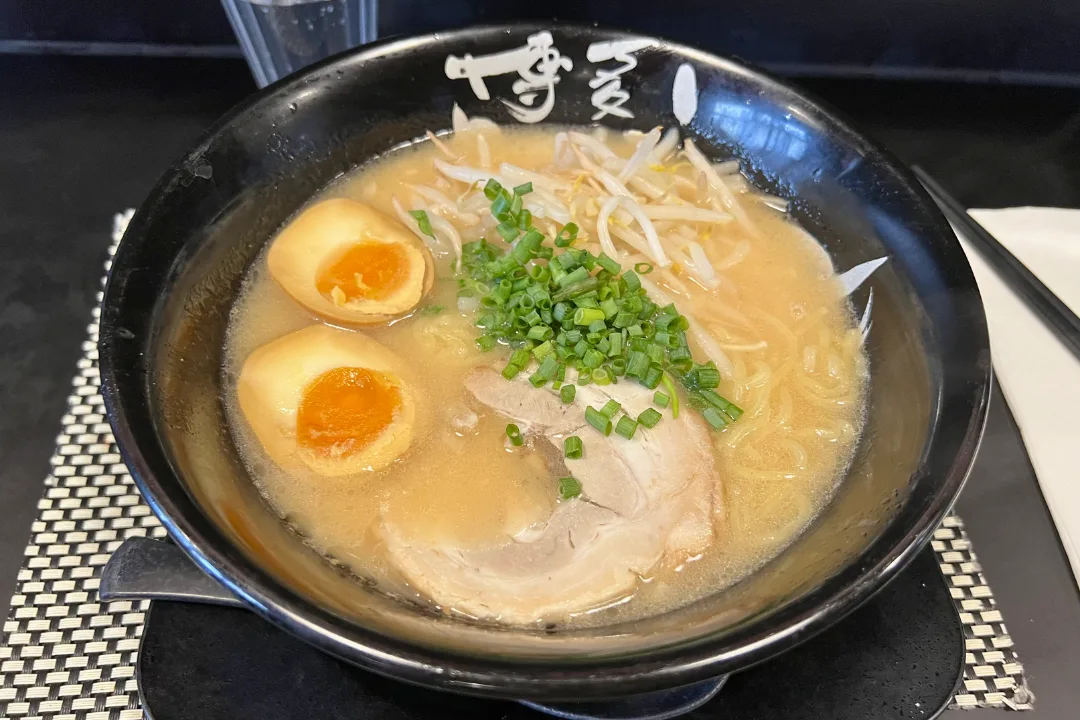
When you take a ramen cooking class in Tokyo, you’re stepping into the heart of this obsession:
- You use the same ingredients Japanese people enjoy every day
- You learn from people who grew up with ramen as comfort food
- You can compare your homemade bowl with famous local shops right after class
That’s something no overseas cooking school can fully replicate.
3. Ramen Is Art: The Philosophy Behind Every Bowl
Some say ramen is an art form – and they’re not exaggerating.
A single bowl of ramen represents the culmination of countless decisions, traditions, and techniques. Each element is crafted with intention:
The Broth (Soup):
- Hours of careful simmering to extract maximum umami
- The balance of richness, clarity, and depth
- Regional styles reflecting local tastes and history
The Noodles:
- Thickness, waviness, and chewiness are all deliberate choices
- Each style of broth calls for a specific noodle type
- The timing of when to add noodles affects the final texture
The Toppings:
- Chashu (braised pork) – slow-cooked to melting tenderness
- Ajitama (marinated egg) – perfectly soft-boiled and seasoned
- Nori, menma, negi – each adds its own flavor and texture story
When these elements come together, it’s not just food. It’s a symphony of flavors, textures, and traditions that took generations to perfect.
This is why learning ramen in Japan matters. You’re not just following a recipe – you’re understanding the philosophy behind Japanese cuisine.
4. One Bowl = A Map of Japan
Japan’s official tourism organization describes four main ramen families: miso, shio (salt), shoyu (soy sauce), and tonkotsu (pork bone). But each region adds its own twist:
| Region | Style | What Makes It Special |
|---|---|---|
| Sapporo | Miso ramen | Rich, buttery, perfect for cold winters |
| Hakata (Fukuoka) | Tonkotsu | Creamy pork bone broth, thin noodles |
| Tokyo | Shoyu | Clear, soy-based, nostalgic and refined |
| Kyoto | Light broth | Delicate, less heavy, local ingredients |
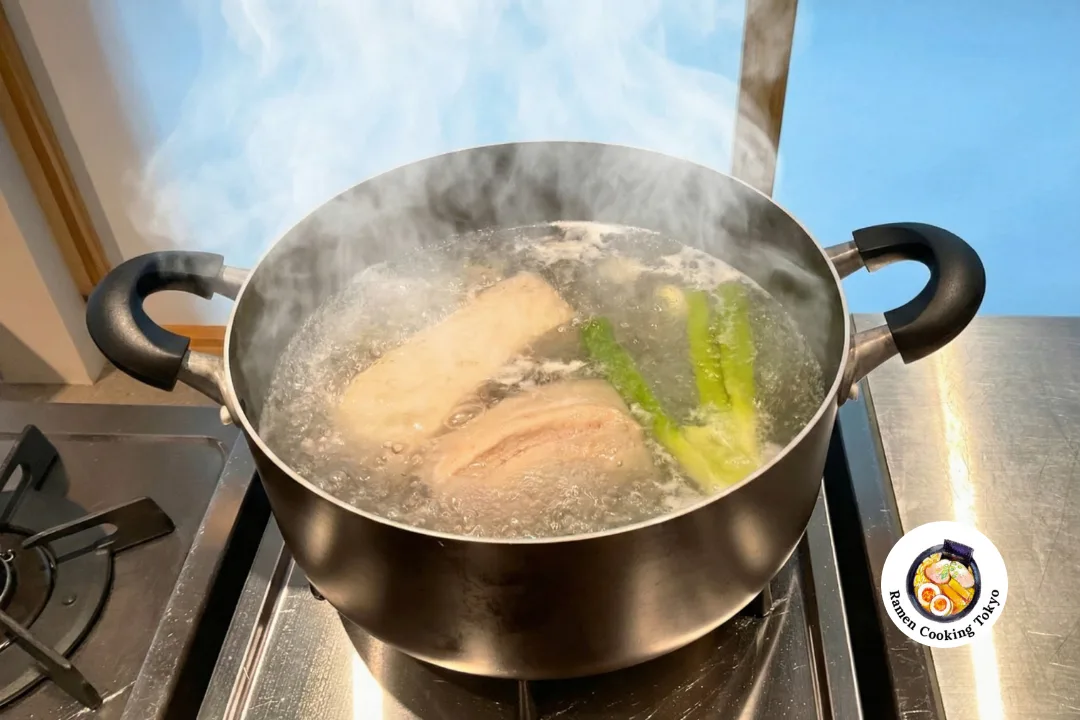
In a good ramen cooking class in Japan, you don’t just cook – you travel through stories:
- Why miso ramen suits Hokkaido’s snowy climate
- How Kyushu’s pork-bone broth became legendary with late-night drinkers
- What makes Tokyo’s shoyu style feel both urban and nostalgic
By the time you finish your bowl, you haven’t just learned a recipe – you’ve taken a mini food tour of Japan.
5. Learn the Foundations of Japanese Food Culture
A ramen cooking class is secretly a masterclass in Japanese culinary fundamentals.
Through making ramen, you’ll discover:
Dashi – The Soul of Japanese Cooking:
- How kelp (kombu) and bonito (katsuobushi) create umami
- Why Japanese soups taste different from Western stocks
- The science of extracting flavor without overpowering
Braising Techniques:
- The art of slow-cooking chashu pork
- How soy sauce, sake, and mirin work together
- Why patience creates tenderness
Topping Craft:
- The perfect soft-boiled egg (ajitama) technique
- How to prepare each garnish with purpose
- The visual art of bowl composition
Seasoning Logic:
- What miso, soy sauce, and salt actually do
- How to balance saltiness, sweetness, and depth
- The concept of “tare” (seasoning base)
These skills transfer to all Japanese cooking – from simple home meals to elegant kaiseki dishes.
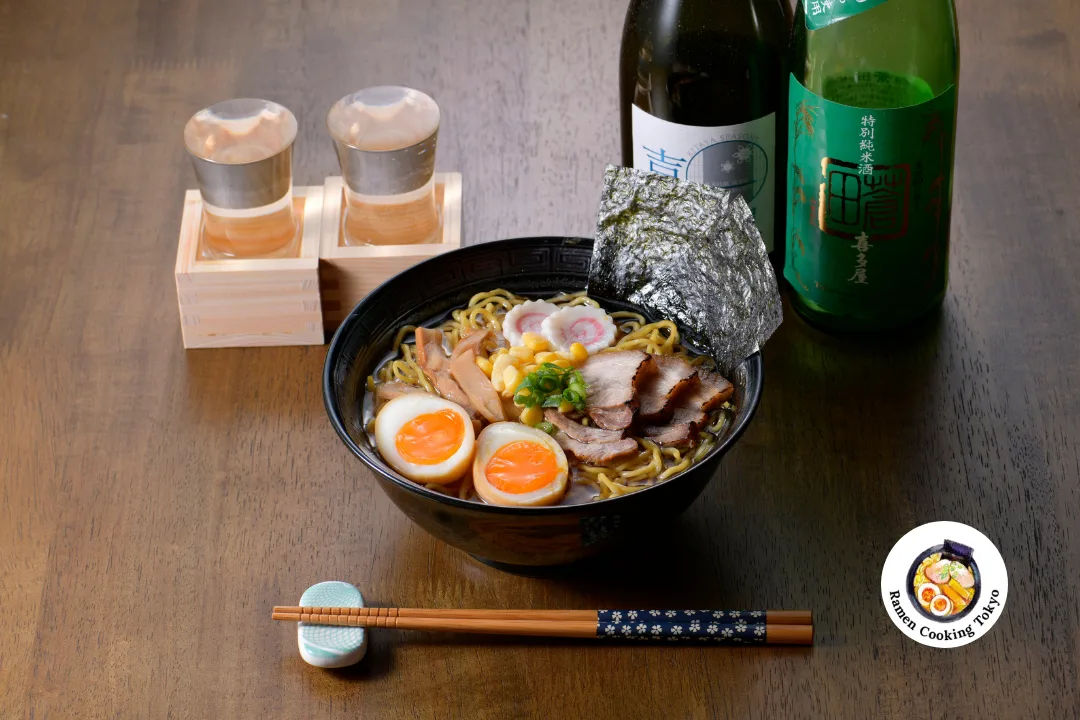
6. Small Groups Mean Real Cultural Exchange
Here’s what sets a great cooking class apart from a tourist activity: genuine connection.
At Ramen Cooking Tokyo, we keep groups small (maximum 8 guests) for a reason. It’s not just about hands-on cooking time – it’s about conversation.
In a small-group setting, you can:
- Ask questions about Japanese food culture and get real answers
- Learn at your own pace without feeling rushed
- Hear stories about everyday life in Japan from local staff
- Practice basic Japanese greetings and understand their cultural meaning
Japanese Phrases You’ll Learn (And Actually Use)
| Phrase | Meaning | When to Use |
|---|---|---|
| Itadakimasu (いただきます) | “I humbly receive” | Before eating – expressing gratitude for the food |
| Gochisousama (ごちそうさま) | “Thank you for the feast” | After eating – thanking whoever prepared the meal |
| Oishii (おいしい) | “Delicious!” | While eating – genuine appreciation |
| Kanpai (乾杯) | “Cheers!” | When toasting drinks |
These aren’t just words – they reflect deep cultural values about gratitude, respect, and community around food. Understanding why Japanese people say these phrases makes your entire Japan trip more meaningful.
At our class, you’ll not only learn to cook ramen – you’ll leave with cultural insights you can’t get from a guidebook.
7. Ramen Is a Dream Activity for Families and Kids
Traveling with children? A ramen cooking class in Tokyo might be the perfect family activity.
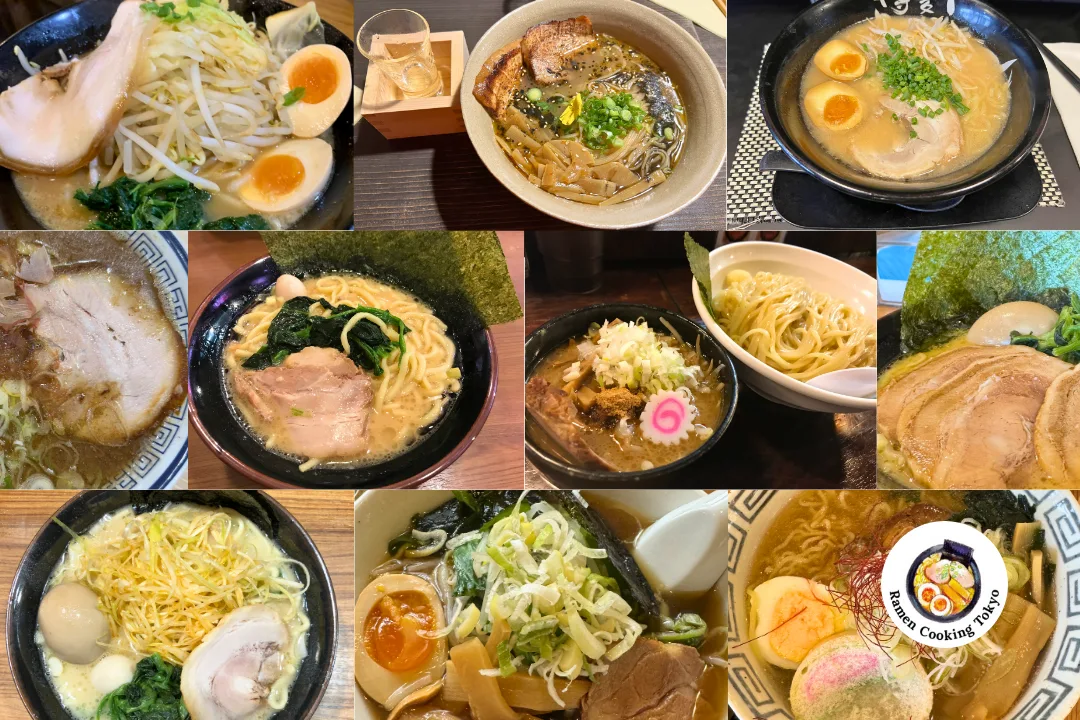
Family travel blogs and cooking class listings consistently recommend ramen-making experiences for kids aged 5 and up. Here’s why:
| Benefit | Why It Works |
|---|---|
| Fully cooked | No worries about raw fish |
| Hands-on fun | Kids can help assemble bowls and choose toppings |
| Customizable | They design their own bowl exactly how they like it |
| Picky-eater friendly | Kids eat what they made themselves |
At Ramen Cooking Tokyo, we welcome children ages 5 and up. Our small-group classes (maximum 8 guests) let every family member participate actively.
For parents, it’s a rare screen-free activity where:
- Everyone has a role
- You eat what you created together
- You capture photos better than any souvenir shop could provide
Months later, when your child asks, “Can we have ramen night like in Tokyo?” – you’ll be glad you booked that class.
👉 Looking for more family-friendly options? Read our guide: Best Cooking Classes for Kids in Tokyo
8. A Skill You Can Actually Take Home
Some Japanese dishes are magical in Japan but nearly impossible to recreate abroad.
Ramen is different.
Ingredients are globally available:
- Quality noodles, miso paste, soy sauce
- Eggs, pork, vegetables
- Basic stock cubes or kombu (dried kelp)
The technique is modular:
- Once you understand broth + tare + toppings, you can create countless variations
- Adjust for dietary needs: vegetarian, less salty, spicy, gluten-free noodles
A good ramen class will send you home with:
✅ Step-by-step recipes
✅ Tips for ingredient substitutions
✅ Ideas for hosting your own “Japan ramen night”
The value doesn’t end when you leave the kitchen – it continues in your home, long after your trip.
9. Premium Sake Pairing Takes It to the Next Level
Here’s something most visitors don’t expect: ramen and sake are a perfect match.
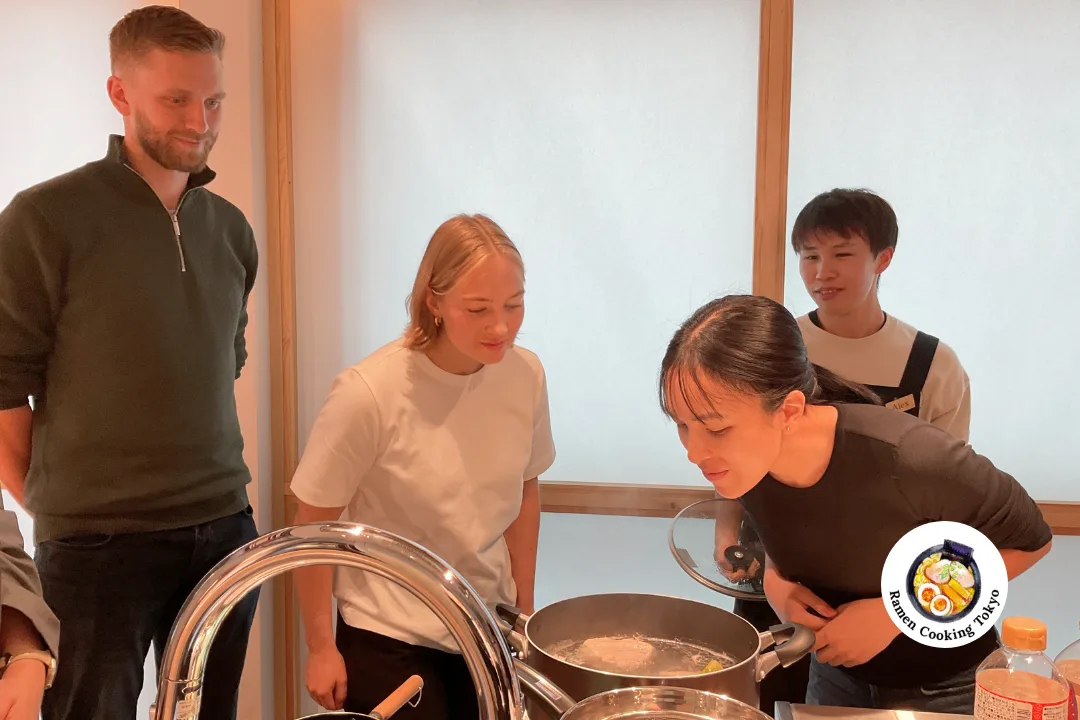
At Ramen Cooking Tokyo, every class includes:
- Premium sake tasting curated to complement your handmade ramen
- Unlimited drinks including sake, beer, and soft drinks
- Guidance on pairing – why certain sakes enhance certain broths
This turns your cooking class from a lesson into a full culinary experience – the kind of thing you’d pay double for at a fancy restaurant.
👉 Love sake? Check out our detailed guide: Best Ramen Making Class for Sake Pairing Lovers
Quick Facts About Our Class:
| Detail | Info |
|---|---|
| Duration | 2.5–3 hours |
| Group size | Maximum 8 guests |
| Language | 100% English |
| What’s included | Ramen making, sushi making, sake pairing, unlimited drinks, recipe card, photos |
| Price | ¥20,000 per person |
| Kids | Welcome! Ages 5 and up |
| Rating | ★5.0 (400+ reviews) |
10. Why Do This in Japan?
You could sign up for a ramen class in your home country.
But doing it in Japan gives you things you simply can’t copy elsewhere:
| Factor | Why Japan Is Different |
|---|---|
| Context | You’re surrounded by real ramen shops, street stalls, and markets |
| Intensity | Compare your bowl with famous shops the same week |
| Infrastructure | Ramen museums, instant noodle factories, specialty tours |
| Instructors | Learn from people who live in the culture that made ramen a national obsession |
| Cultural depth | Small groups allow real conversations about Japanese food and life |
If you love ramen enough to travel to Japan, you owe it to yourself to learn how to make it here, at the source.
Ready to Roll Up Your Sleeves?
A ramen cooking class in Tokyo is more than a cooking lesson.
It’s:
- A deep dive into what travelers actually love most about Japanese food
- A hands-on activity perfect for families, couples, and solo travelers
- A cultural exchange with local staff in a small, intimate setting
- A skill you’ll use long after you return home
At Ramen Cooking Tokyo, we’ve designed our class to be the highlight of your trip:
- Small groups (maximum 8) for personal attention and real conversation
- Both ramen AND sushi in one session
- Premium sake pairing included
- 100% in English
- Family-friendly (ages 5+)
- Located in charming Tsukishima, just minutes from Tsukiji Market
By your last slurp, you won’t just be able to say, “I ate ramen in Japan.”
You’ll be able to say:
“I learned to cook Japan’s favorite bowl in Japan – and I understand why it matters to Japanese people.”
Plan Your Perfect Day
Make your cooking class part of an unforgettable Tokyo day:
- 🚶 Before class: Explore the area with our Walking Guide from Tsukiji to Tsukishima or check out Things to Do Before Your Ramen Class
- 🍜 During class: Learn ramen, shape nigiri sushi, and enjoy sake pairing
- 🌅 After class: Visit teamLab Planets with our Perfect Tokyo Day Itinerary
Frequently Asked Questions
Q: Is a ramen cooking class good for people who don’t cook much?
A: Absolutely! Ramen is beginner-friendly because it follows a clear structure (broth, tare, toppings). Our instructors guide you through every step, and you can adjust flavors as you go. Plus, our small groups mean you get plenty of personal attention.
Q: Can children really participate?
A: Yes! We welcome kids ages 5 and up. They can help assemble their bowls, choose their favorite toppings, and enjoy eating what they created. Many families tell us it was the highlight of their Tokyo trip.
Q: What makes your class different from other Tokyo cooking classes?
A: We’re Tokyo’s only all-in-one ramen AND sushi cooking class. But beyond that, we focus on cultural exchange – not just cooking. You’ll learn the “why” behind Japanese food culture, practice basic greetings, and have real conversations with our local staff. Read more in our article: Top 10 Reasons Travelers Choose Ramen Cooking Tokyo
Q: Will I learn about Japanese food culture, or just follow a recipe?
A: Both! We believe cooking is a window into culture. You’ll learn about dashi, regional ramen styles, the history of ramen in Japan, and even practice phrases like “itadakimasu” and “gochisousama.” Our small-group format gives you time to ask questions and have real conversations.
Ready to experience the best cooking class in Tokyo? Book your spot at Ramen Cooking Tokyo and create memories that last a lifetime.