We run a cooking class in Tokyo, so we know this world from the inside. We’ve watched thousands of guests walk through our door — excited, jet-lagged, sometimes nervous — and leave with full stomachs, new skills, and memories they talk about for years.
Quick Answer: Tokyo offers seven main types of cooking classes for international visitors, ranging from ¥5,000 to ¥20,000 per person. The most popular format combines ramen and sushi in a single 2.5–3 hour session. Classes are available in English across central Tokyo neighborhoods including Tsukishima, Asakusa, and Shinjuku.
This guide is written from that perspective. We’ll walk you through every type of cooking class available in Tokyo, how to choose the right one, and what to look for before you book. We’ll be upfront about what we offer, and we’ll be fair about what others offer too.
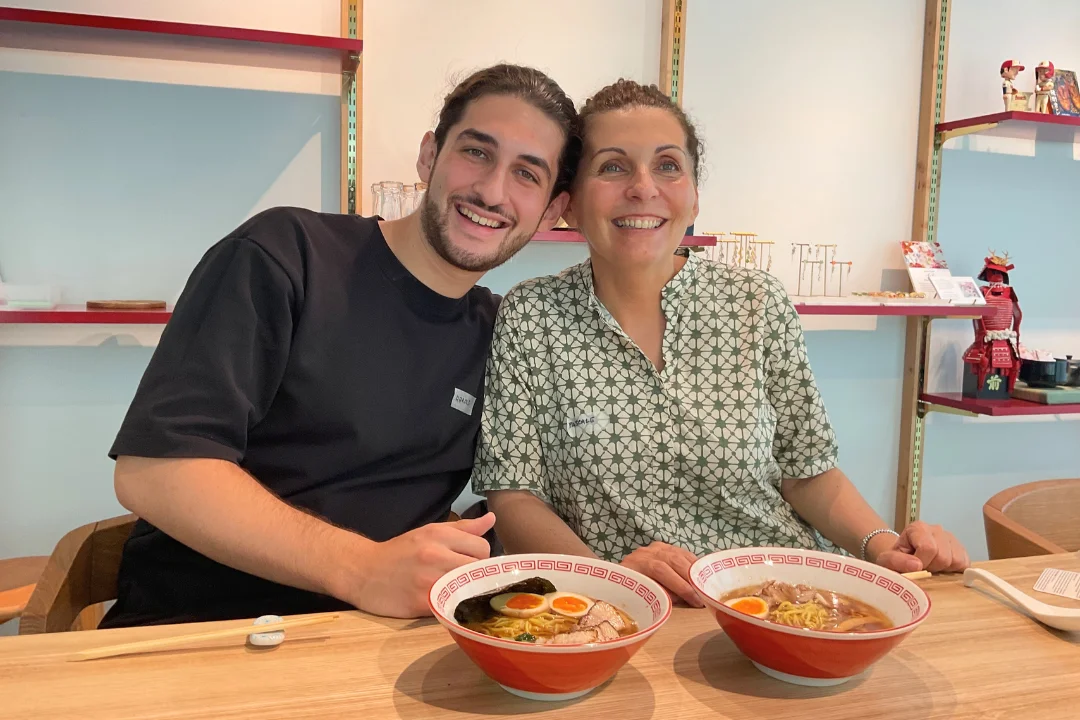
Quick Overview: Cooking Classes in Tokyo
Tokyo is one of the world’s greatest food cities, and the cooking class scene reflects that diversity. Here’s a snapshot of what’s available:
| Type | Duration | Price Range | English | Group Size |
|---|---|---|---|---|
| Ramen + Sushi + Sake | 2.5–3h | ¥15,000–20,000 | Yes | 4–8 |
| Sushi Only | 1.5–2h | ¥10,000–15,000 | Most | 4–12 |
| Ramen Only | 2–3h | ¥8,000–15,000 | Some | 4–10 |
| Wagashi (Japanese Sweets) | 1.5–2h | ¥5,000–10,000 | Some | 4–10 |
| Home Cooking | 2–3h | ¥8,000–15,000 | Varies | 2–6 |
| Market Tour + Cooking | 3–4h | ¥12,000–20,000 | Most | 6–12 |
| Soba / Udon Noodle Making | 1.5–2h | ¥5,000–12,000 | Some | 4–10 |
These are approximate ranges based on what’s commonly available in 2026. Prices and formats vary by provider.
Types of Cooking Classes in Tokyo
Ramen and Sushi Classes
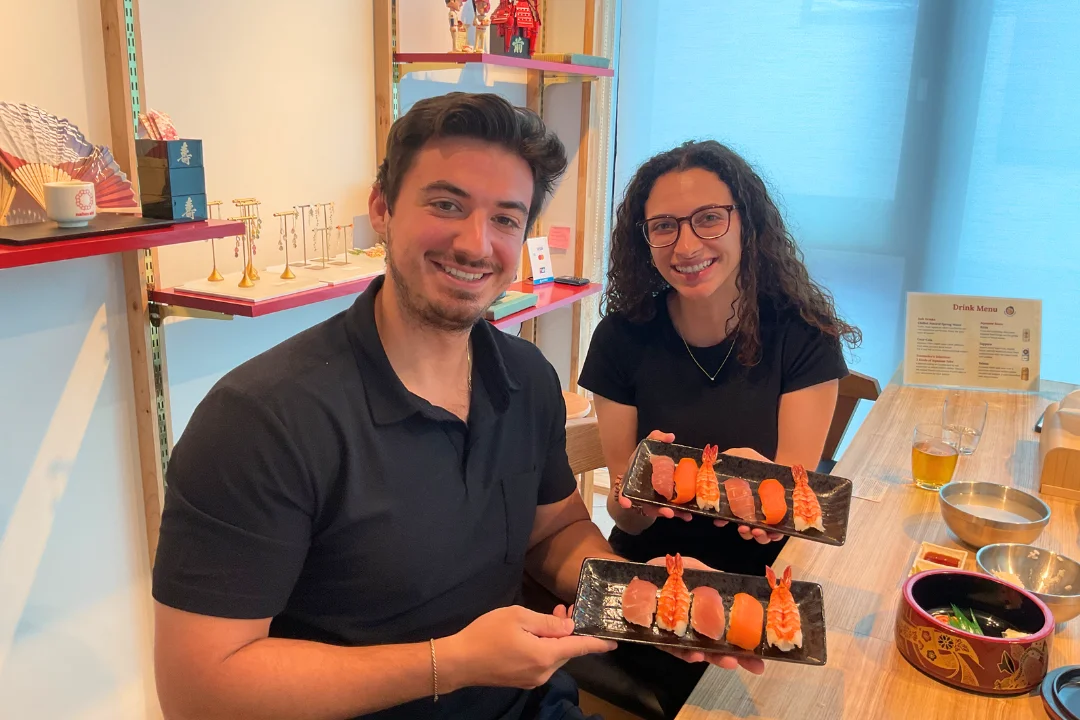
The most popular type for international visitors. You learn to make Japan’s two most iconic dishes — sometimes in the same session. Classes typically include preparing broth from scratch, handling noodles, seasoning sushi rice, and shaping nigiri sushi by hand. Some add sake pairing, turning the experience into a complete Japanese meal with drinks.
The aroma of simmering broth, the gentle pressure of shaping rice in your palm, the moment you lift steaming noodles from your own bowl — these are the scenes guests remember most.
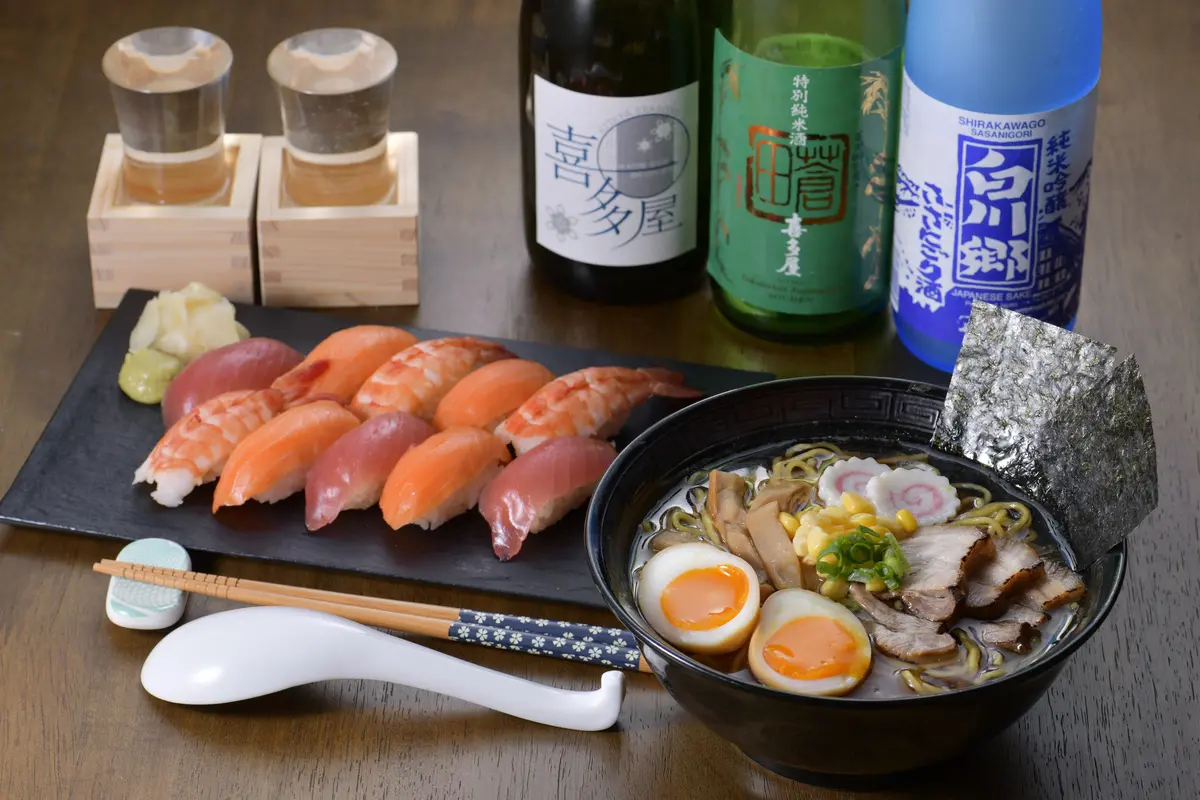
You’ll enjoy this if: You want iconic Japanese dishes and a full meal you made yourself.
Traditional Home Cooking Classes
Hosted in private homes or small studios, these focus on everyday Japanese dishes — miso soup, tamagoyaki (rolled omelet), karaage (fried chicken), pickles, and steamed rice done right. The atmosphere is intimate, and you’ll learn what Japanese families actually cook and eat at home.
You’ll enjoy this if: You value cultural conversation and want to cook dishes you can easily recreate at home.
Wagashi (Japanese Sweets) Workshops
A quieter, more artistic experience. You’ll learn to shape nerikiri (sweet bean paste molded into seasonal designs), make fresh mochi, or prepare matcha to pair with your creations. These classes emphasize Japanese aesthetics — patience, precision, and the beauty of the seasons.
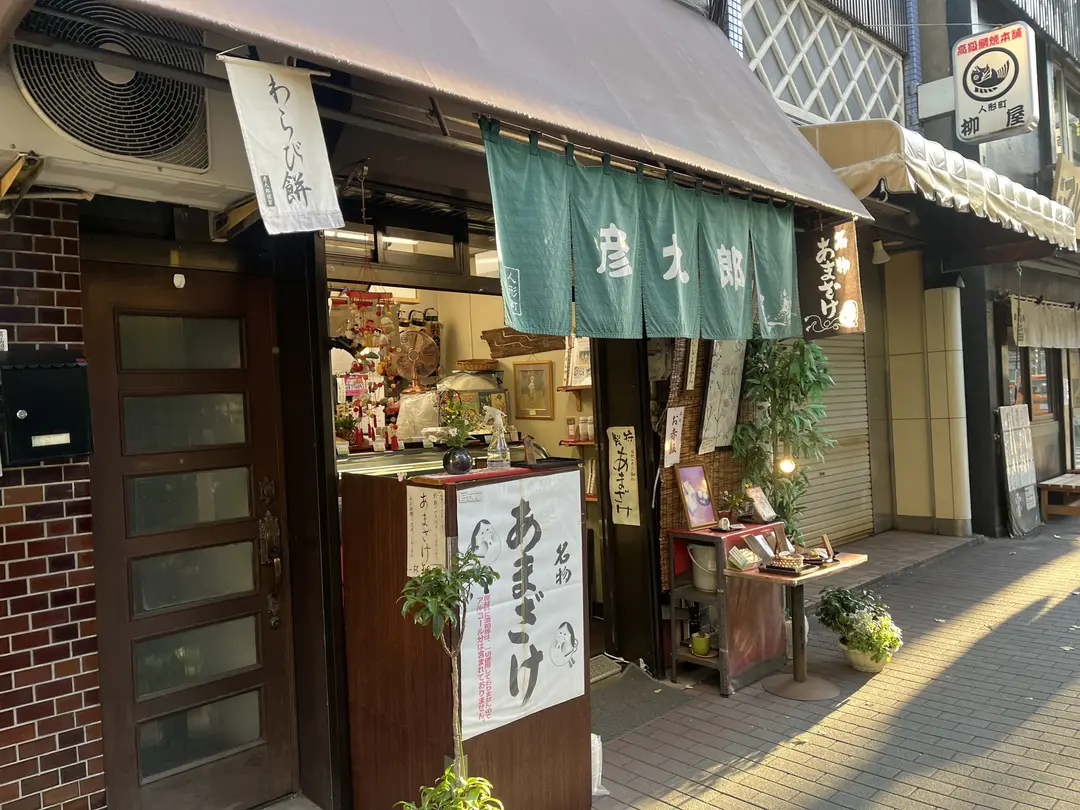
You’ll enjoy this if: You appreciate the artistic side of Japanese culture and prefer lighter food.
Soba and Udon Noodle Making
Hands-on from start to finish — mixing flour and water, kneading the dough, rolling it thin, and cutting noodles by hand. It’s physical, deeply satisfying, and teaches you a skill that works just as well in your kitchen back home.
You’ll enjoy this if: You enjoy working with your hands and want to master a specific craft.
Market Tour + Cooking Combo
Start at a local market (typically Tsukiji’s outer market or a neighborhood shopping street), choose fresh ingredients with your instructor, then head to a kitchen to cook. These longer experiences combine cultural exploration with hands-on cooking.
You’ll enjoy this if: You want to understand Japanese ingredients and seasonal food culture from the ground up.
Related: Walking guide from Tsukiji to Tsukishima — a beautiful route through Tokyo’s waterfront
How to Choose the Right Cooking Class in Tokyo
With so many options, here’s a practical framework:
Start with What You Want to Eat
If you dream of pulling steaming noodles from a rich, fragrant broth, a ramen class is your answer. If the precision of sushi fascinates you, go there. If you’re open to everything, a combo class gives you the most variety in a single session.
Think About Who You’re Traveling With
| Traveling with… | Consider… |
|---|---|
| Partner / Couple | Sake pairing classes, intimate small groups |
| Kids (5+) | Family-friendly studios with patient instructors |
| Solo | Small group classes — you’ll meet other travelers |
| Friends | Private group bookings for a shared experience |
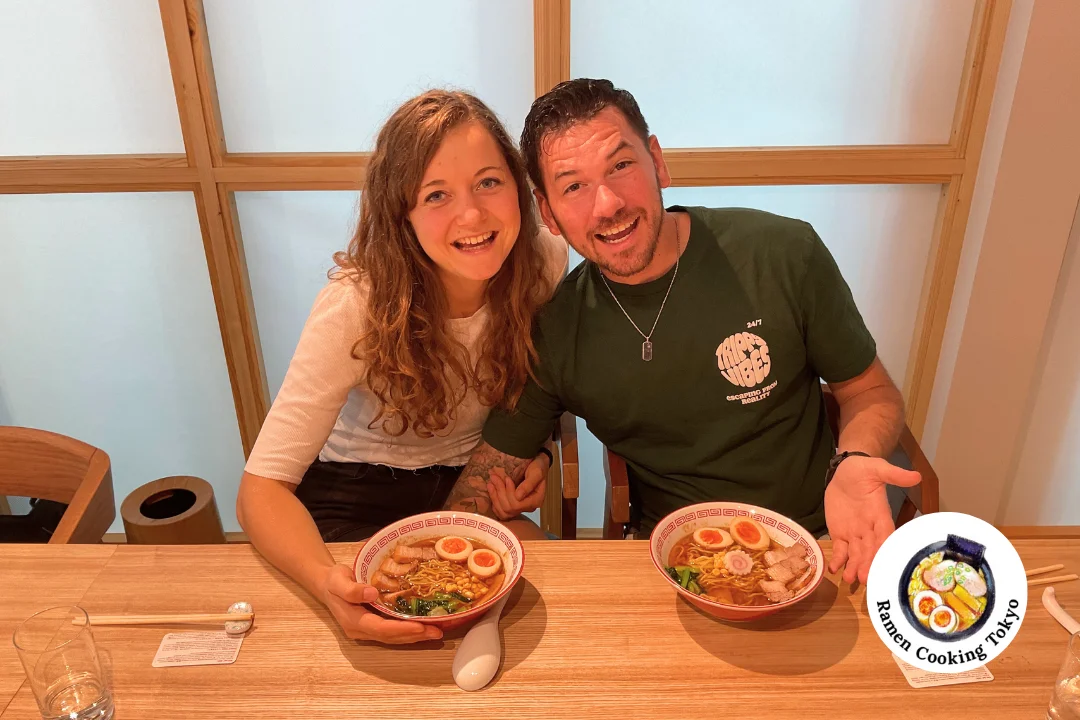
Related: Cooking classes for kids in Tokyo | Romantic food experiences for couples
Check Language and Group Size
Most cooking classes in Tokyo designed for international visitors operate in English, but there’s a difference between “English-friendly” and “100% English.” Some classes have bilingual instructors who switch between Japanese and English. If language comfort matters to you, confirm before booking.
Group size also affects your experience. A class with 4–8 guests feels personal — you’ll get individual attention and the instructor can adjust to your pace. Larger groups (10–20) can feel more like a show than a hands-on session.
Match Your Schedule
| Available time | Good options |
|---|---|
| 1.5–2 hours | Sushi only, wagashi, or soba/udon |
| 2.5–3 hours | Ramen, combo classes, or home cooking |
| 3–4+ hours | Market tour + cooking combo |
Consider Your Budget
Cooking classes in Tokyo range from about ¥5,000 to ¥20,000 per person. Higher-priced classes usually include more dishes, drinks (sake, beer), and longer experiences. Check what’s included — some classes charge extra for ingredients or beverages.
What to Look for Before Booking
Here’s a checklist we’d share with a friend planning their trip:
Read the recent reviews. A class with hundreds of 5-star reviews is more reliable than one with ten. Look at reviews from the past 3–6 months to make sure quality is consistent. Pay attention to what guests say about the instructor, the food, and whether the experience felt rushed or relaxed.
Confirm what’s included. Does the price cover all ingredients, drinks, and recipes? Some classes charge separately for sake, beer, or take-home recipe cards. Knowing exactly what you’re paying for prevents surprises.
Look at the location. Is the class easy to reach by train? Is it near other things you want to do that day? A class in central Tokyo — near areas like Ginza, Tsukiji, or Shibuya — is easier to fit into a busy itinerary.
Ask about dietary accommodations. If you have dietary needs (vegetarian, vegan, halal, allergies), confirm what can be adjusted before booking. Many hands-on classes have limited flexibility because everyone cooks the same menu.
Check the cancellation policy. Travel plans change. Look for free cancellation at least 24 hours before the class.
Where Cooking Classes Are Located in Tokyo
Tsukishima and Tsukuda (Central Tokyo)
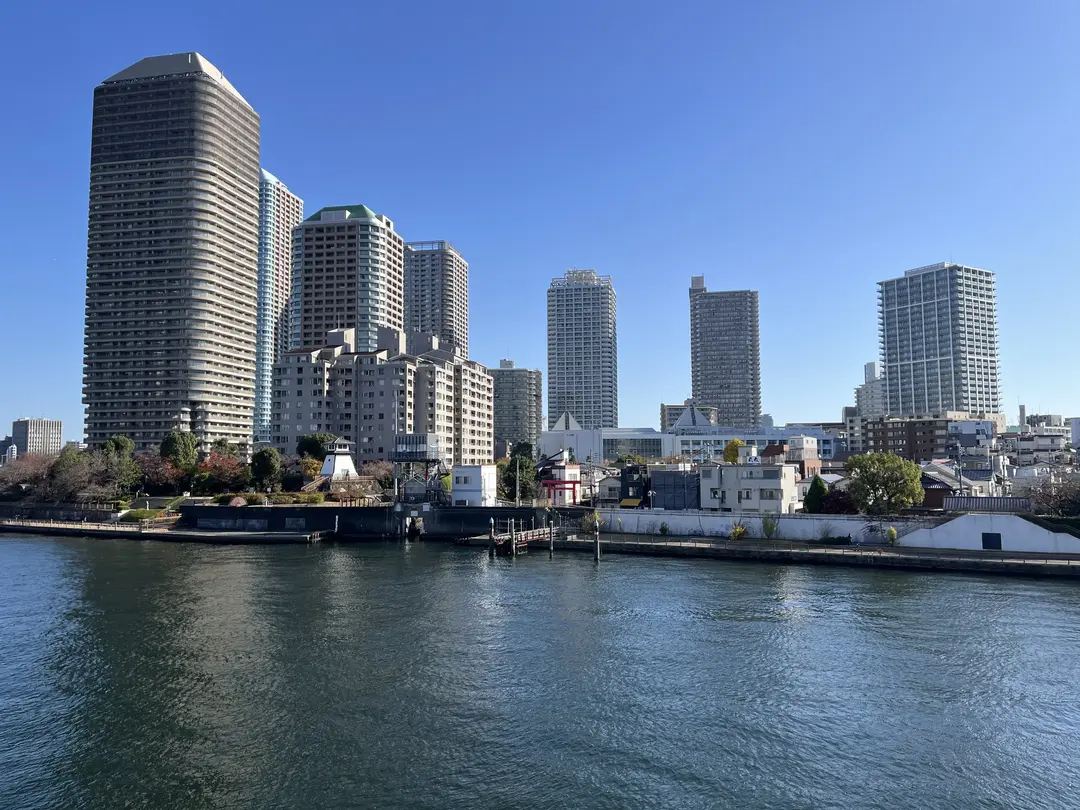
A quiet, traditional neighborhood on Tokyo Bay, between Tsukiji Market and Ginza. This area combines easy transit access with a local atmosphere you won’t find in tourist districts. It’s home to Tokyo’s famous monjayaki street and scenic waterfront walks.
Easy to combine with: Tsukiji morning walk, afternoon stroll to Ginza, teamLab Planets
Asakusa and Ueno
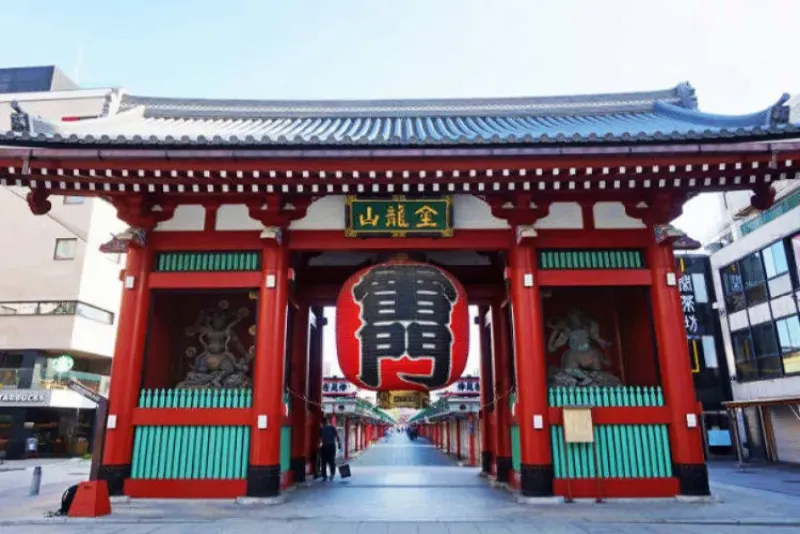
Traditional Tokyo atmosphere with Senso-ji temple, Nakamise-dori shopping street, and nearby Ueno Park. Popular area for home cooking and wagashi classes. A good choice if you’re already sightseeing in east Tokyo.
Shinjuku and Shibuya
Convenient for travelers staying in west Tokyo. More urban setting with plenty of dining options before and after class. Good for evening sessions if you want to combine with Shinjuku nightlife or Shibuya shopping.
Tsukiji and Toyosu
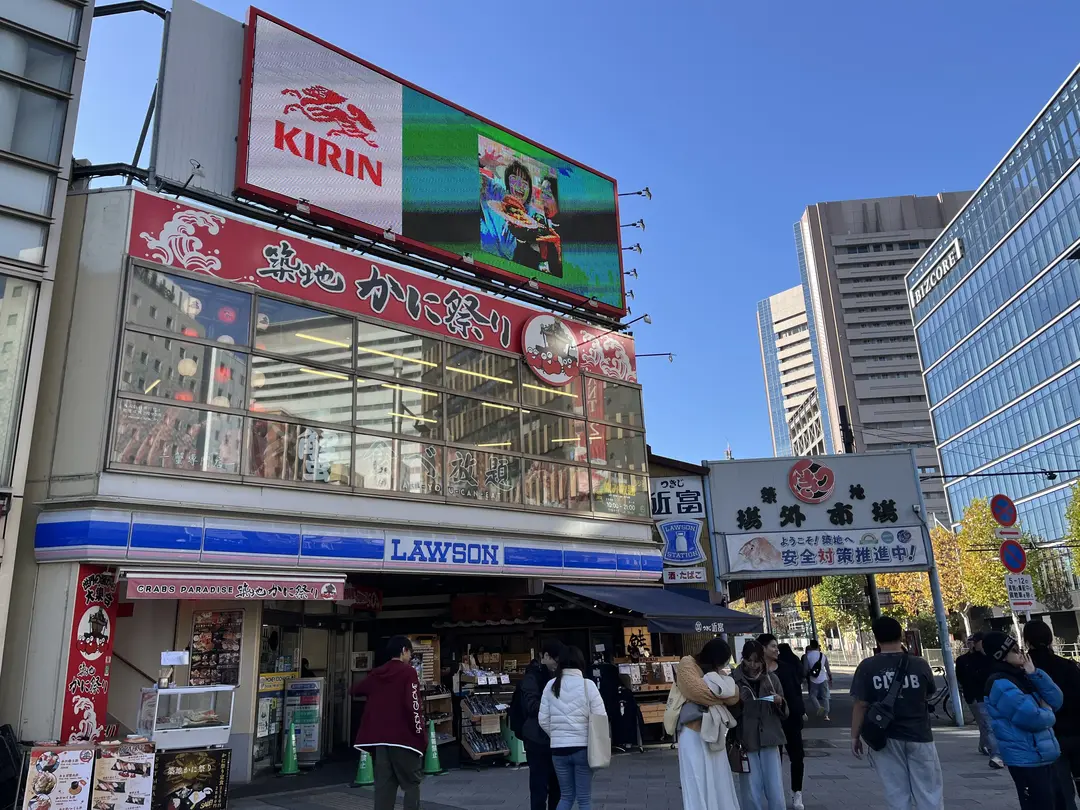
A natural fit for market tour + cooking combos. Keep in mind: the wholesale market (including the tuna auction) moved to Toyosu in 2018. Tsukiji’s outer market is still excellent for street food and fresh ingredients, but they serve different purposes today.
Seasonal Considerations
Cooking classes in Tokyo run year-round, and each season brings its own appeal:
| Season | What to Expect | Tip |
|---|---|---|
| Spring (Mar–May) | Mild weather, cherry blossoms | Combine with hanami (flower viewing) walks |
| Summer (Jun–Aug) | Warm and sometimes humid | Indoor classes are a welcome escape from the heat |
| Autumn (Sep–Nov) | Comfortable weather, beautiful foliage | Peak tourist season — book early |
| Winter (Dec–Feb) | Cold but clear, fewer crowds | Warm ramen is the perfect comfort food |
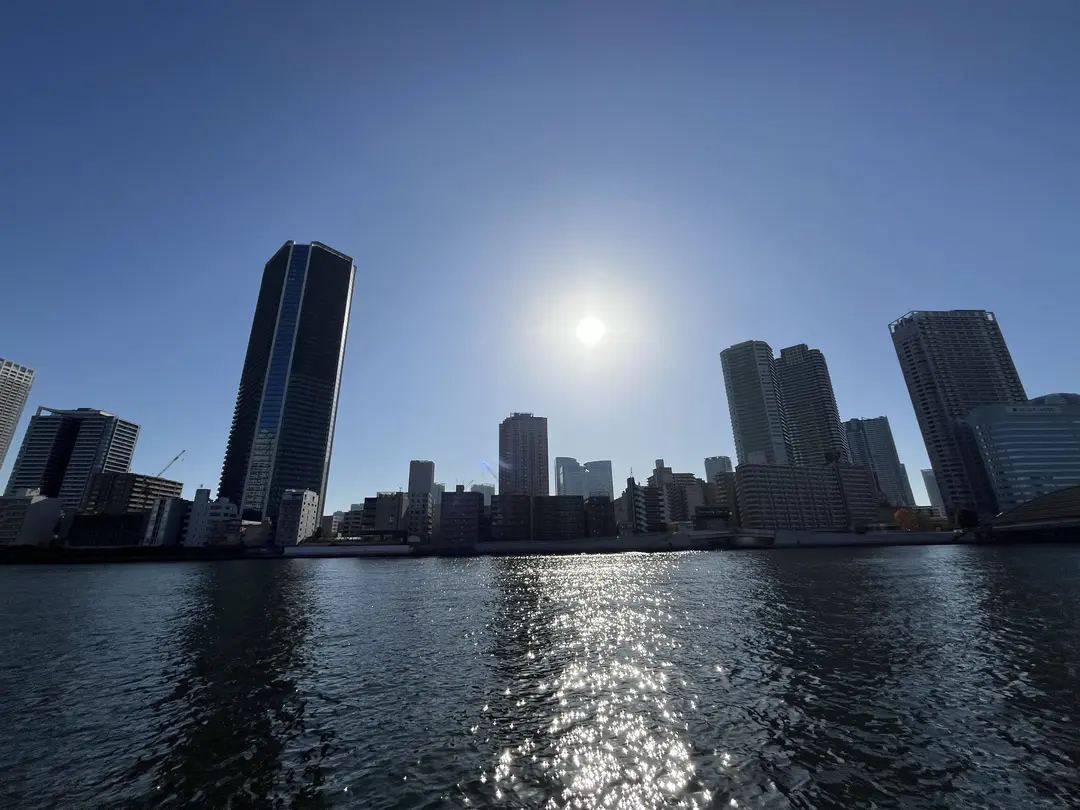
No matter the season, a cooking class is one of Tokyo’s most reliable indoor activities. Rain, summer heat, or a chilly winter afternoon — you’re in a warm kitchen with good food and friendly company.
Related: Rainy day date ideas for foodie couples in Tokyo
A Note About Us: Ramen Cooking Tokyo
We’ve been transparent throughout this guide, so let us be equally clear about what we offer.
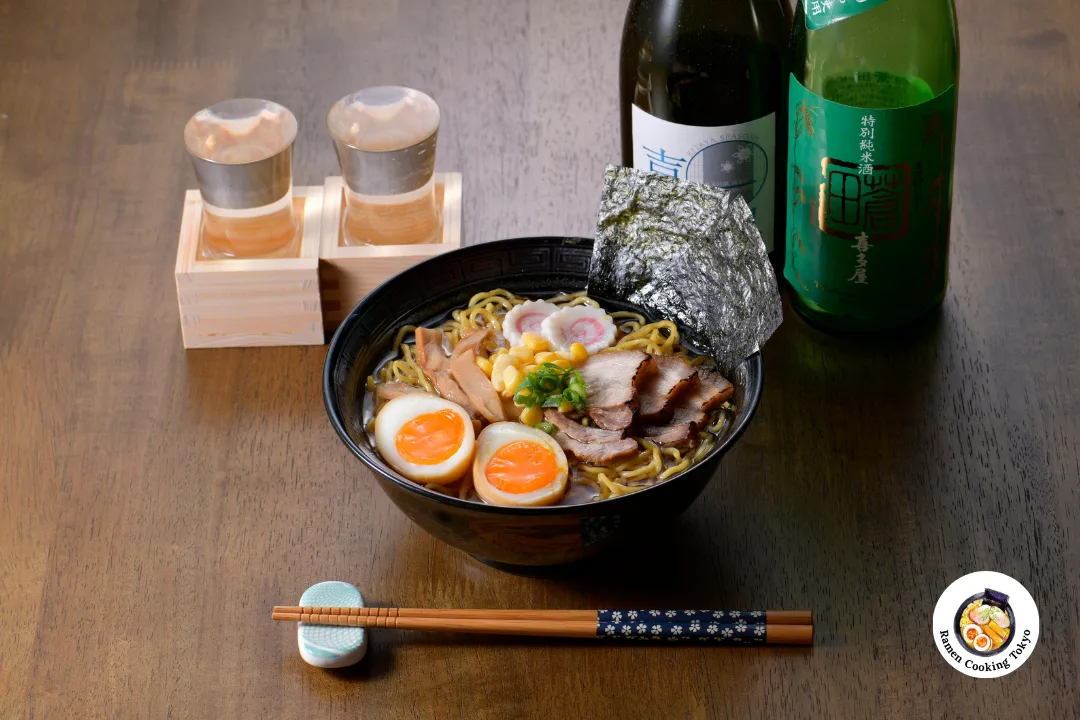
Ramen Cooking Tokyo is a small-group cooking class in Tsukishima, central Tokyo, where you learn to make ramen from scratch, shape nigiri sushi by hand, and enjoy a guided premium sake pairing — all in one 2.5–3 hour session.
| Detail | Information |
|---|---|
| What you’ll make | Ramen from scratch + nigiri sushi by hand |
| Drinks included | Premium sake pairing (3 types), Japanese beer, soft drinks |
| Price | ¥20,000 per person (all-inclusive) |
| Duration | 2.5–3 hours |
| Group size | Max 8 guests |
| Language | 100% English |
| Schedule | 10:00 AM – 1:00 PM or 2:00 PM – 5:00 PM |
| Location | 4 min walk from Tsukishima Station — near Tsukiji, Ginza, teamLab Planets |
| Rating | ★5.0 with 450+ reviews across Google, TripAdvisor, and booking platforms |
| Cancellation | Free cancellation 24+ hours before |
Dietary notes: We can accommodate guests who prefer not to eat raw fish (seared option available) and those who don’t eat pork (chicken broth alternative). We cannot accommodate vegetarian, vegan, or halal dietary needs.
Why guests choose us: Most travelers tell us they chose our class because it combines ramen and sushi in one session — two of Japan’s most iconic dishes without booking separate experiences. The sake pairing adds a dimension that turns it into a complete Japanese food and drink journey.
Related: Top 10 reasons travelers choose Ramen Cooking Tokyo | What is omotenashi? The heart of our experience
Frequently Asked Questions
Can complete beginners join a cooking class in Tokyo? Absolutely. Most cooking classes in Tokyo, including ours, are designed for people with no cooking experience. Instructors guide you through every step.
Are cooking classes in Tokyo available in English? Many are. Classes designed for international visitors typically operate in English. However, “English-friendly” and “100% English” are different — confirm before booking if this matters to you.
How much does a cooking class in Tokyo cost? Expect ¥5,000–20,000 per person, depending on the type and duration. Combo classes (multiple dishes + drinks) are at the higher end. Single-dish workshops and wagashi classes tend to be more affordable.
Can kids join a cooking class in Tokyo? Many classes welcome children, usually ages 5 and up. Check the specific class for age requirements and family-friendly policies. See our guide to cooking classes for kids in Tokyo.
Should I book in advance? Yes, especially for small-group classes (max 4–8 guests). Popular time slots can fill up 1–2 weeks ahead, particularly during peak travel seasons (cherry blossom season, Golden Week, year-end holidays).
What should I wear to a cooking class? Comfortable, casual clothing. Aprons are usually provided. Avoid loose sleeves and open-toed shoes when possible.
Ready to Book Your Tokyo Cooking Class?
Whether you choose a ramen class, a sushi workshop, a wagashi experience, or a market tour, a cooking class is one of the most memorable things you can do in Tokyo. You’ll learn something real, eat something delicious, and take home a skill you’ll use long after your trip.
If our ramen and sushi class sounds right for you, we’d love to welcome you to our kitchen in Tsukishima.
Related Guides
- Tokyo food experiences: An insider’s guide — What 1,000+ guests taught us about Tokyo’s food scene
- Walking guide: Tsukiji to Tsukishima — A scenic 45-minute route through Tokyo’s waterfront
- Walking guide: Ramen Cooking Tokyo to Ginza — Perfect post-class stroll
- Perfect Tokyo day: Ramen class + teamLab Planets — A full-day itinerary
- Cooking classes for kids in Tokyo — Family-friendly guide
- Romantic food experiences for couples — Anniversary and honeymoon ideas
- Top 10 reasons travelers choose Ramen Cooking Tokyo