
In this guide
The diploma is in a drawer somewhere and the group chat has turned into a travel-planning spreadsheet. A graduation trip is one of those rare windows — after the ceremony, before the next chapter begins — when a family or a group of friends can actually be in the same place at the same time, and more and more of those trips are pointing at Japan. Arrivals from the United States reached a record 3.24 million in 2025, up 22 percent on the year.
Here is the first honest piece of advice, before you plan anything: you do not need to cram three cities into your first trip. The “Tokyo, Kyoto, and Osaka in ten days” route you have seen everywhere is the version travel companies like to sell — it is a genuinely good trip, but it is the marketed ideal, not a rule. A first graduation trip is usually short and on a budget, and a Tokyo-anchored week, with one easy day trip, is plenty to come home full. You can always save Kyoto for next time. This guide is built that way: eight experiences worth building your Tokyo days around, plus one day trip you can do and be back by dinner.
A quick word on timing, too. Most graduates travel in summer because that is when school lets out — not because summer is Tokyo’s best weather. June is the rainy season, and July and August are hot and humid. That is not a reason to stay home; it is a reason to plan well. The experiences that hold up in a Tokyo summer are the ones you do, indoors and together, with sightseeing slotted into the cooler mornings and evenings. The list below leans that way on purpose.
These are eight experiences worth building a day around — not a checklist to race through. Pick the ones that sound like your group, and give each one room to breathe.
1. A digital art museum: teamLab Planets
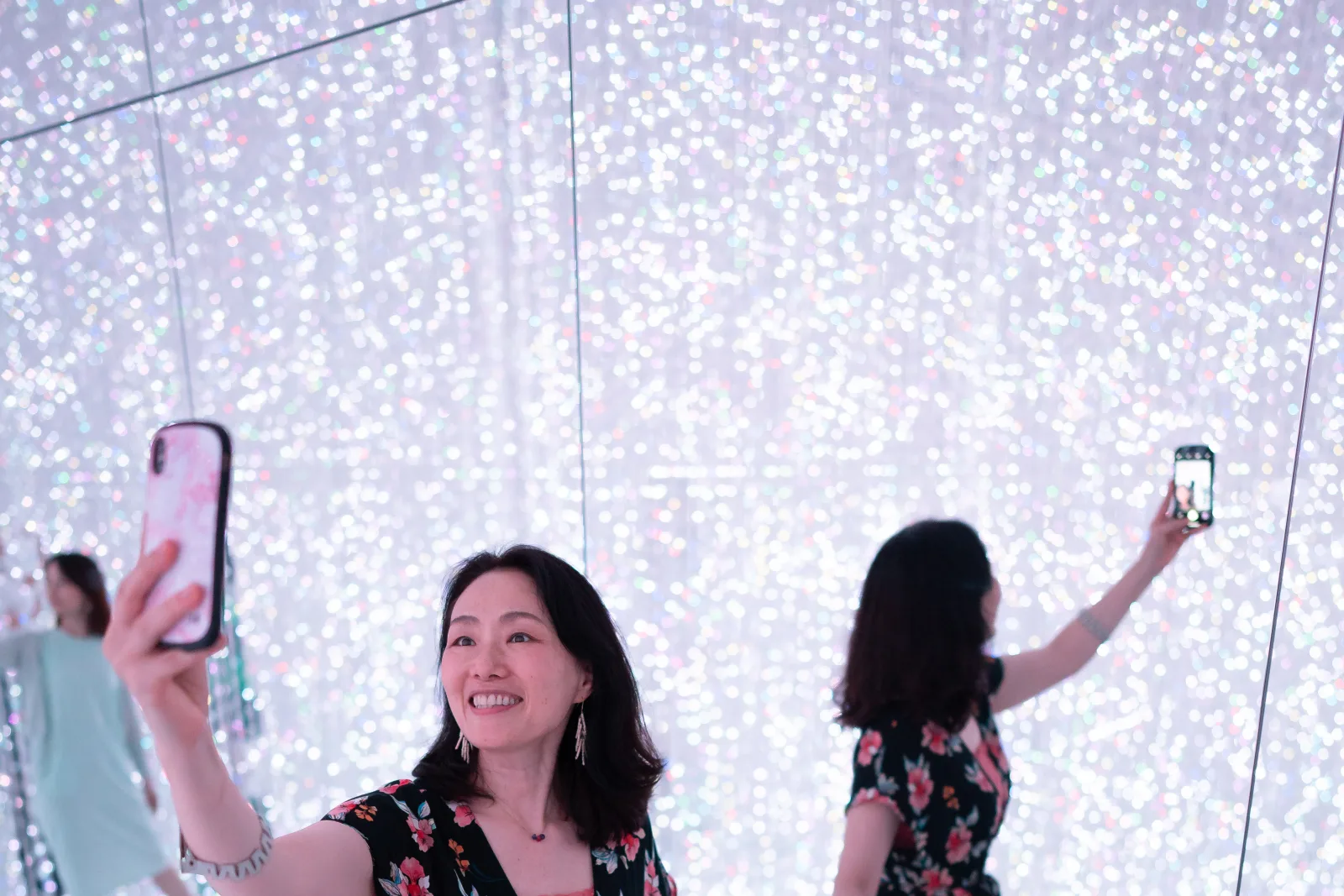
Few things land better with a recent-graduate group than walking into a museum you wade through rather than walk past. At teamLab Planets in Toyosu you leave your shoes at the door, roll up your trousers, and move through rooms of light, sound, and water that shift as you move. The part everyone talks about is the water walk, where projected koi and flowers drift around your legs and scatter when you touch the surface. For a graduation group it works because you experience it together, at the same moment, and the photos take themselves without anyone posing — and on a hot or rainy afternoon, the cool, indoor water rooms are a genuine relief.
A few honest notes: it is popular (rated 4.3 on TripAdvisor across more than 5,000 reviews, and ranked the number-one thing to do in Toyosu), so book a timed slot in advance — waits of 30 to 60 minutes can still happen on busy days. Wear clothes you can push up past the knee, plan two to three hours, and aim for a weekday morning. Admission is around ¥3,600 and up depending on the date, and it is a one-minute walk from Shin-Toyosu Station. To build a whole day around it, see our guide to pairing teamLab Planets with a hands-on class and the area around it.
2. A hands-on ramen and sushi class

Full disclosure first: hosting a ramen and sushi class in Tokyo is what we do, so read this as a description of the kind of experience rather than a sales pitch — there are several good hands-on cooking classes in the city, and you can compare the types in our guide to cooking classes in Tokyo.
Here is why it earns a place on a graduation trip. A cooking class is one of the few things you do together — shaping sushi by hand, building a bowl of ramen, plating it, then sitting down to eat what you made. For a group that has spent four years mostly apart in lectures and libraries, that shared making is the part people describe months later. In our own class, the room seats up to eight, so a family or a friend group can have the table to themselves; it tends to feel less like a lesson and more like being welcomed into someone’s home and cooking with them. Guests who are of drinking age can add a pairing of three small pours of sake, each chosen for the dish in front of you rather than served as a row of samples, and there is beer for everyone else. You leave with the full recipes (sent to you after class) and a set of photos your hosts take during the class.
It is also, conveniently, entirely indoors. If you want to go deeper, our sushi class guide walks through how to choose one, and our Tokyo food experiences guide sets it in the wider context of eating your way through the city.
3. The Making of Harry Potter: Warner Bros. Studio Tour Tokyo
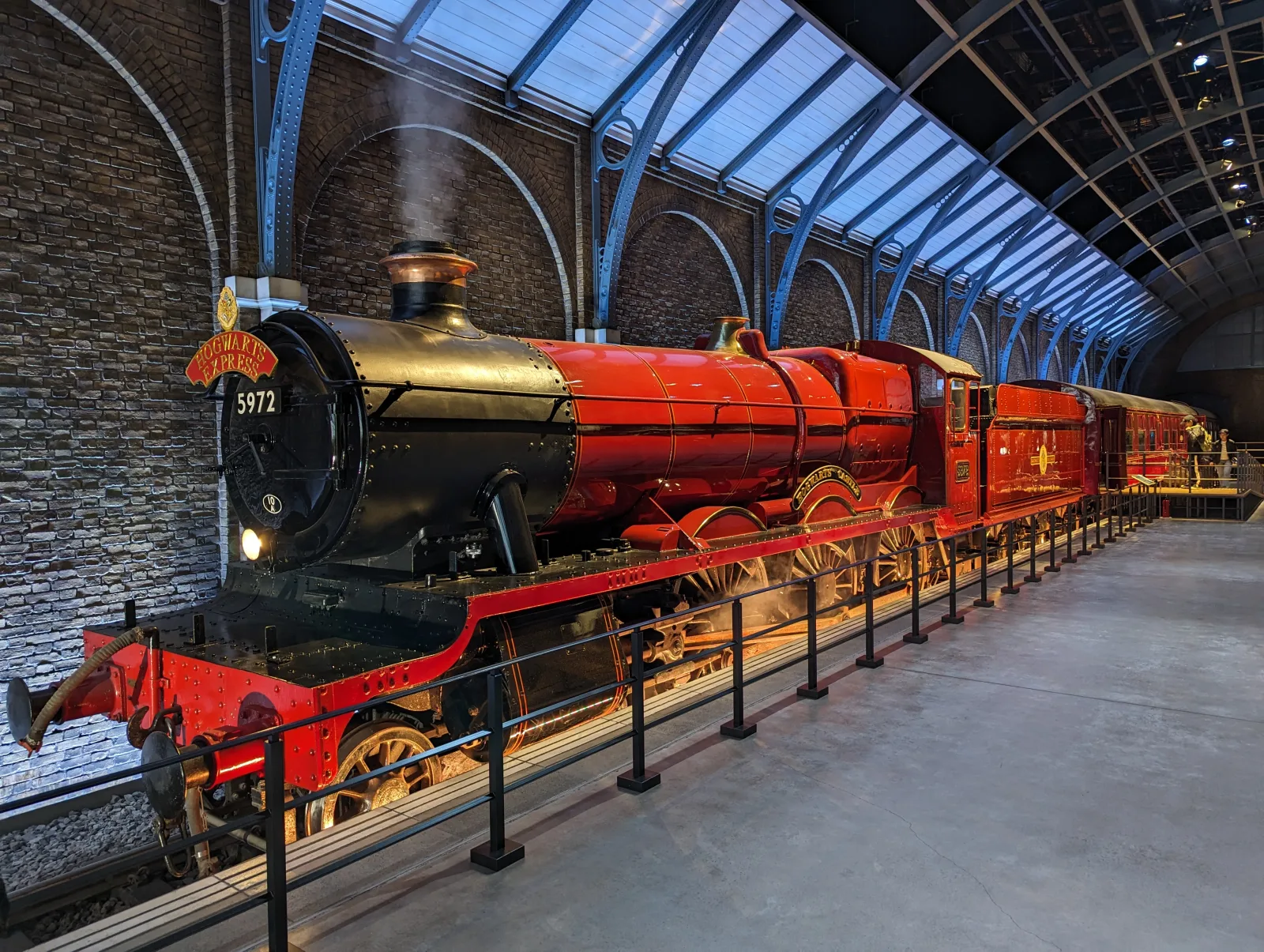
If your group grew up on Harry Potter, this is the day to build around. Warner Bros. Studio Tour Tokyo in Nerima is the world’s largest indoor Harry Potter attraction — the second permanent Warner Bros. studio tour after London, with sets recreated by the people who made the films. You walk the Great Hall, step onto Platform 9¾, ride a broom against a green screen, and try frozen Butterbeer. It is rated 4.6 on TripAdvisor with a 2026 Travelers’ Choice award and ranks first of 142 things to do in Nerima, and it is strongly rated across review sites generally.
Practical notes: it is self-paced and takes most people three and a half to five hours, and it is predominantly indoor and climate-controlled — a strong hot- or rainy-day plan. Tickets are timed and must be booked in advance; adult admission runs roughly ¥6,300 to ¥7,300 depending on the date (it rose slightly from July 2026), so check the official site for your day. It is a two-minute walk from Toshimaen Station, about twenty minutes from Shinjuku or Ikebukuro.
4. The city from above: Shibuya Sky
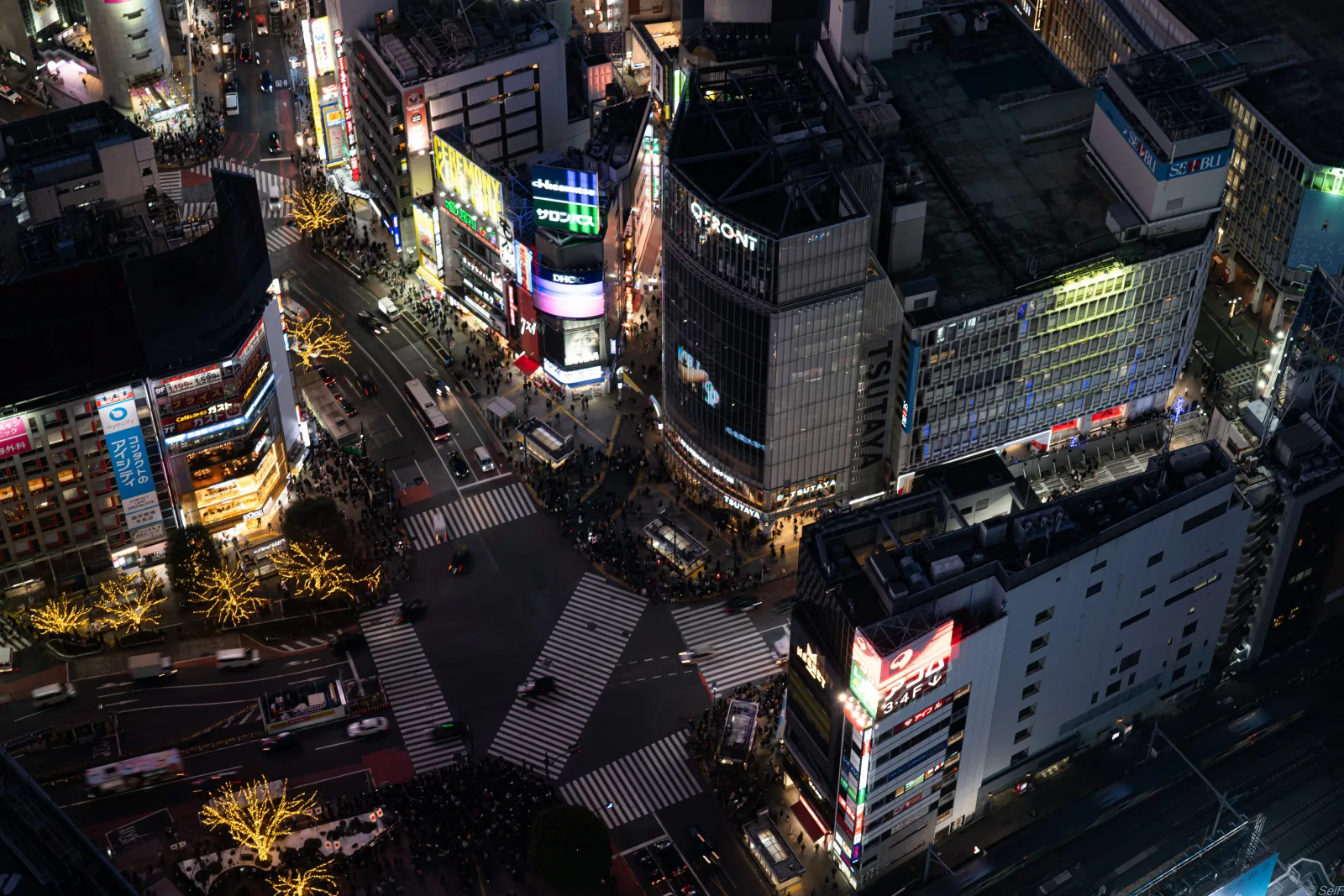
For one clear-evening hour, go up. Shibuya Sky is an open-air rooftop deck 229 meters above the Shibuya crossing — open to the sky, with no roof overhead, so you feel the wind and the city stretches out in every direction (there are shoulder-height glass barriers at the edges, designed low so the view, and the photos, stay open). On a clear day you can pick out Tokyo Skytree and, in the right season, Mount Fuji on the horizon. It is widely described as one of the highest open-air decks in the city, and it is rated 4.6 on Google across some 21,000 reviews.
A couple of honest notes: the rooftop is open-air, so it can close in bad weather and is not a rainy-day plan — there is an indoor, air-conditioned gallery level with views through glass as a comfortable fallback. Tickets go on sale about two weeks ahead and the sunset slots sell out first; adult tickets are around ¥2,700 online before 3 p.m. It sits on top of Shibuya Scramble Square, directly connected to Shibuya Station, so it folds neatly into a Shibuya afternoon.
5. A calligraphy session
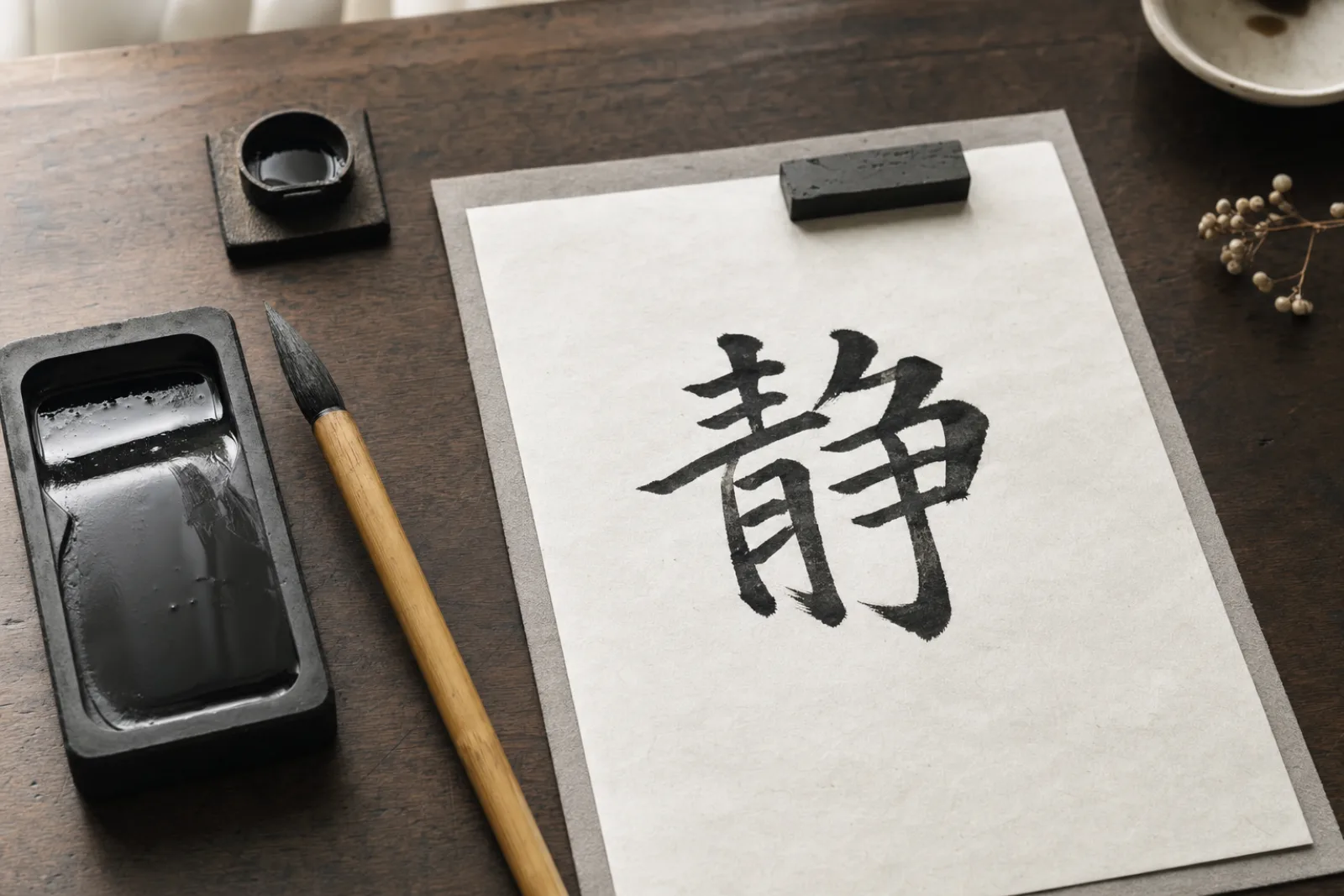
If the cooking class is the loud, social way to make something, calligraphy is its quiet sibling — slow, deliberate, and hands-on in a completely different register. We like the small classes run by Sachie-sensei at the Tokyo Iriya Shodo Club, near Iriya a short ride from Asakusa and Ueno. To be clear about what it is: it is a relaxed, casual session held in a room at a hostel cafe, not a hushed formal studio — and that is part of its charm. A patient, English-speaking teacher walks you through holding the brush and writing your own name or a chosen word in kanji, and you take the finished piece home. It is rated a perfect 5.0 on TripAdvisor across nearly 70 reviews, and families with children tend to enjoy it as much as anyone.
It is a small, owner-run operation, so book ahead; sessions start from around ¥5,300 (a take-home paper-fan version is about ¥6,000) and run roughly ninety minutes. It is about a five-minute walk from Iriya Station.
6. A quiet hour at Meiji Jingu
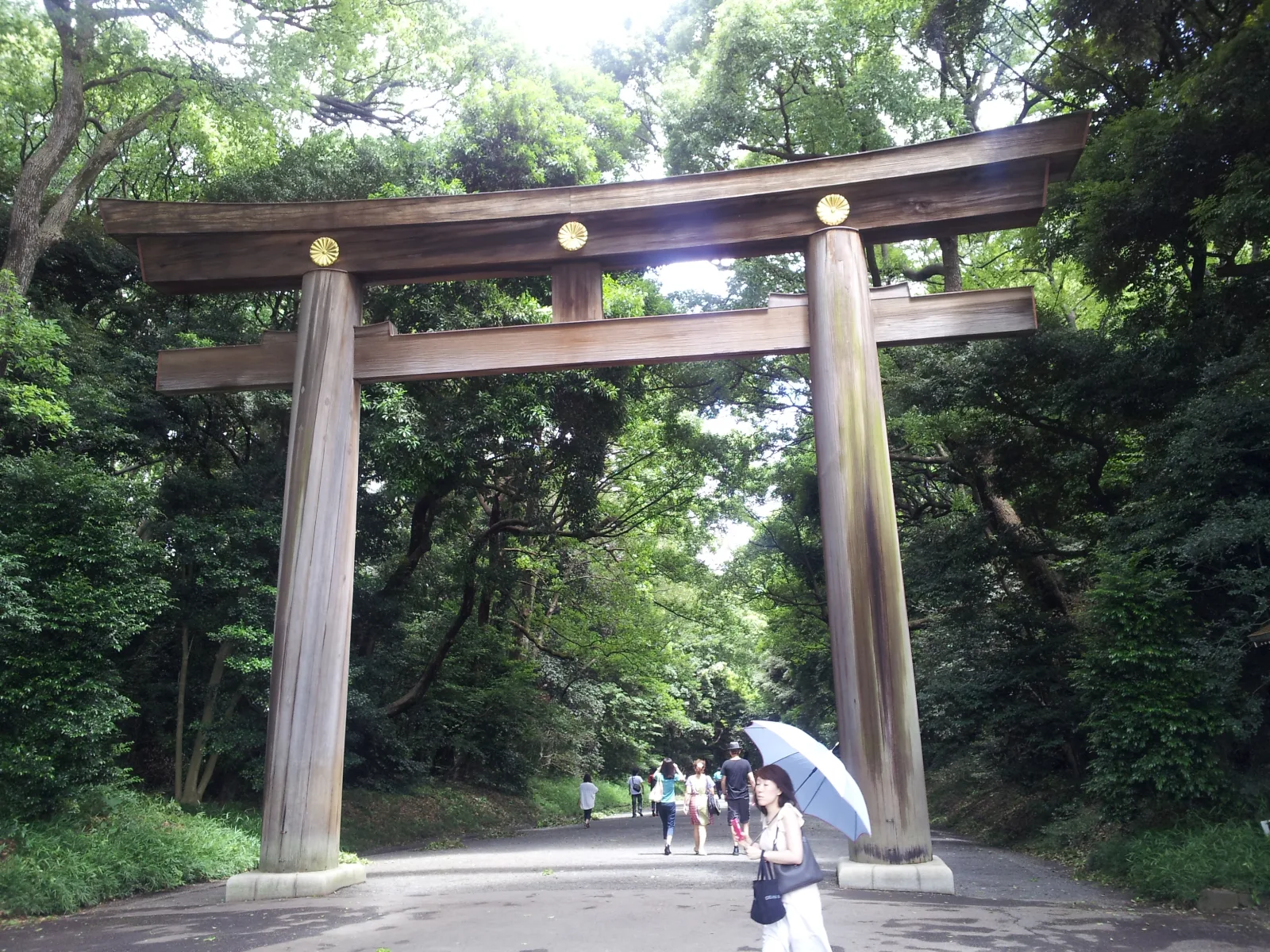
Every itinerary needs a counterweight to the neon, and Tokyo’s best one is a minute from one of its busiest stations. Meiji Jingu, beside Harajuku, is a Shinto shrine wrapped in a forest of around 100,000 trees donated from across Japan when it was built — roughly 70 hectares of quiet, with great cypress torii gates along the gravel approach. Go early, both to beat the heat and to have the grounds closer to yourself. The main grounds are free; if you are visiting in June, the Inner Garden’s iris field — about 1,500 plants — is the seasonal reason to pay the small entry, with extended garden hours during the bloom.
It is mostly an outdoor, tree-shaded experience, so it is cooler than the open streets but not a true rain hideout; on a wet day, bring an umbrella, and the air-conditioned Meiji Jingu Museum (open from 10 a.m., closed Thursdays) is the indoor fallback. Rated 4.4 on TripAdvisor across more than 8,000 reviews, it is one of the most visited places in the city — and still, somehow, one of the calmest.
7. One easy day trip from Tokyo: the Hakone Open-Air Museum
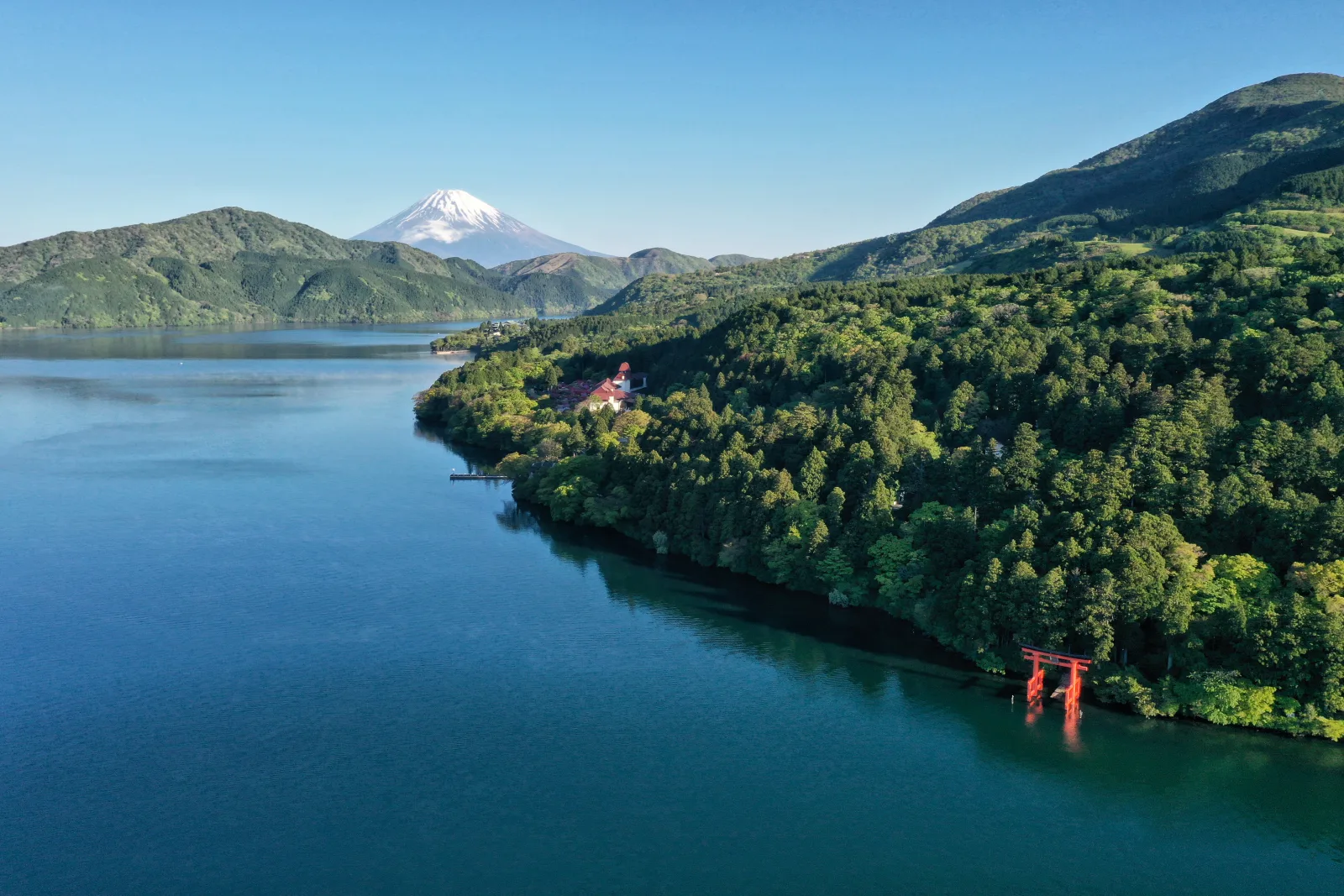
Keep Tokyo as your base, but give yourselves one day out of the city — and you can be back by dinner. The Hakone Open-Air Museum, about two to two and a half hours door to door, is Japan’s first open-air sculpture museum: around 120 modern and contemporary sculptures spread across a 70,000-square-meter hillside garden, anchored by Gabriel Loire’s walk-in stained-glass tower and a pavilion of roughly 300 Picasso works, with a free natural hot-spring footbath to rest your feet. It is rated 4.6 on TripAdvisor across about 2,850 reviews and ranks first of all things to do in Hakone-machi.
The core experience is the outdoor garden, so it is best on a clear day; the Picasso Pavilion, indoor galleries, and the climbable tower give you sheltered options if the weather turns. Adult admission is ¥2,000 (students less), hours are 9 a.m. to 5 p.m., and the trip itself — the Odakyu Romance Car from Shinjuku, then the little Hakone Tozan mountain railway to Chokoku-no-Mori station, a few minutes’ walk from the entrance — is part of the day. For more itinerary shapes like this, our guide to one perfect day in Tokyo is a useful companion.
8. A summer night to end on: the Sumida River Fireworks
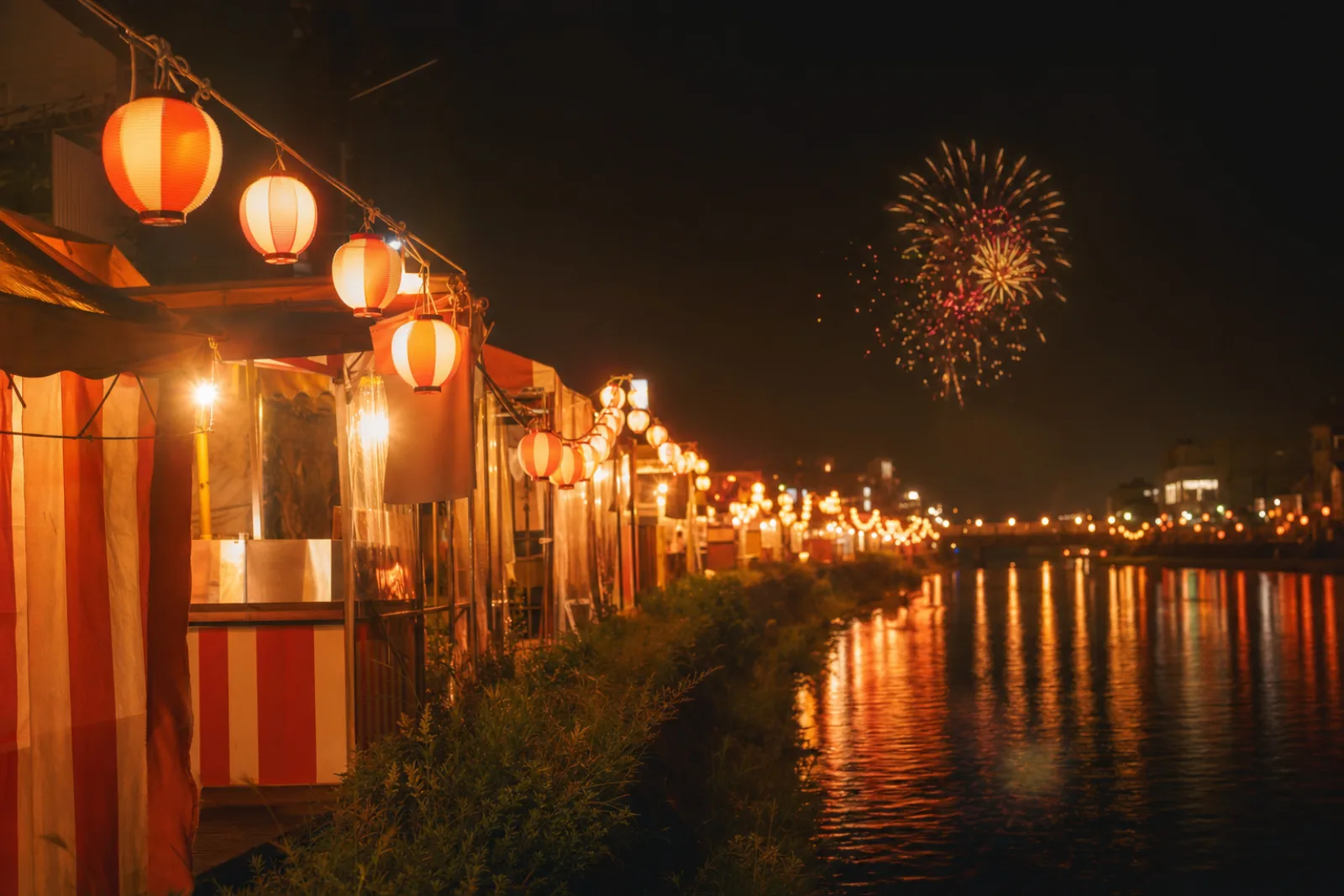
If your dates line up, end the trip on the most seasonal note Tokyo has. The Sumida River Fireworks Festival — held on the last Saturday of July each year, which in 2026 falls on July 25 — is Japan’s oldest recorded fireworks festival, with origins in 1733, and now its largest: roughly 20,000 fireworks launched over the river from two sites near Asakusa, drawing close to a million people. It is free to watch from the public riverside, and there is nothing quite like a Tokyo summer night of food stalls, yukata, and fireworks over the water to end a graduation trip on.
Two honest notes: it is an outdoor evening event, so it is exposed to weather and is not a rainy-day backup, and the crowds — and station congestion around Asakusa — are real, so arrive early and stake out a spot. If you would rather watch in comfort, paid options exist (a Tokyo Skytree viewing opening, or hotel and restaurant packages with a view), but the riverside, free and shoulder-to-shoulder, is the real thing.
How to fit it together
You do not need all eight. A good graduation trip to Tokyo usually has three or four anchors — one big indoor experience, one hands-on thing you do together, one quiet morning, one day out of the city — with unscheduled time around them for the wandering and eating that fills the gaps. Over five to seven days, with Tokyo as your base, that is a comfortable, memorable pace.
A few practical notes, learned from hosting travelers through more than one Tokyo summer:
- Plan indoors for the middle of the day. Heat and rain are real in summer. Save shrines and walking for mornings and evenings, and put museums, classes, and the studio tour in the early afternoon.
- Book the small things early. Timed-entry museums, the studio tour, observation decks, and small-group classes fill fastest in summer. Reserve the few things you most want before locking the rest of the trip.
- Stay anchored in Tokyo. One day trip is plenty — you will see more, and feel less rushed, basing yourself in one city than racing between three.
- Leave room to do nothing. The best parts of a graduation trip are rarely on the itinerary. Protect a couple of empty afternoons. (For more of this kind of advice, see our Tokyo travel tips from past guests.)
If a hands-on cooking experience sounds like your group’s kind of day, you can see our class dates and what’s included — and however you build the trip, we hope it gives you the thing a graduation trip is really for: a few days, together, that you will still be talking about years from now.
Frequently asked questions
How many days do you need for a graduation trip to Tokyo? Five to seven days in Tokyo is a comfortable first trip — often called the sweet spot. It gives you time for the big experiences, a couple of quiet mornings, one easy day trip, and the unplanned wandering that trips are really made of. You do not need to cram in three cities; a Tokyo-anchored week is plenty for a first visit, and you can always add Kyoto on a future trip.
When is the best time for a graduation trip to Tokyo? Most graduates travel in summer because that is when school lets out — late May through August. Be honest with yourself about the weather: June is the rainy season, and July and August are hot and humid. It is still a great time to come; just build your days around indoor, hands-on experiences and save temples and walking for the cooler mornings and evenings.
What can you do in Tokyo on a hot or rainy summer day? Plenty, and most of this list is built for it. A digital art museum, a hands-on cooking class, an indoor studio tour, and a calligraphy session are all indoors and air-conditioned. A rainy afternoon is a good time to plan something hands-on; a clear morning is better spent at a shrine or on a day trip.
Can a cooking class work for a graduation group, and what about dietary needs? It can. Our own ramen and sushi class seats up to eight, so a family or a group of friends can book the room together. We can prepare a seared option instead of raw fish, and a chicken-based broth instead of pork. If anyone in your group is vegetarian, please contact us before you book (ideally at least 48 hours before the class) and we’ll check whether we can accommodate them. It isn’t always possible, and online booking can’t take vegetarian requests. We are not able to offer fully vegan or halal meals — please ask before booking so we can be honest about what is possible.
Do you need to book Tokyo experiences in advance in summer? Yes. Summer is peak season for travel to Japan, and the most popular experiences — timed-entry museums, the studio tour, observation decks, small-group classes — fill early. Reserve the few things you most want to build a day around before you lock in the rest of your trip.
Image credits
Several photographs in this guide are used under Creative Commons licenses, via Wikimedia Commons (resized for the web):
- teamLab Planets, Crystal Universe — photo by Big Ben in Japan, CC BY-SA 2.0.
- Warner Bros. Studio Tour Tokyo — photo by Jeremy Thompson, CC BY 2.0.
- Shibuya Crossing from Shibuya Sky — photo by Sei F, CC BY-SA 2.0.
- Meiji Jingu torii gate — photo by Nightcrafter, CC BY-SA 4.0.
- Lake Ashi and Mount Fuji, Hakone — photo by Charlie fong, CC BY-SA 4.0.