Picture this: you’re standing in a narrow market lane at 9 AM, steam rising from a griddle where a vendor is rolling tamagoyaki with quiet precision. The scent of grilled scallops drifts from the stall next door. A couple beside you is trying their first piece of fresh tuna, and you can see the exact moment it registers — this is what Tokyo tastes like.
Tokyo holds more Michelin stars than any other city on earth — over 200, more than Paris, New York, and London combined. But the food experiences travelers remember most rarely happen in starred restaurants. They happen in market lanes, in small kitchens, over shared bowls of ramen with people they just met.
We run a cooking class in Tsukishima, a quiet neighborhood in central Tokyo, steps from Tsukiji Market and Ginza. Over the past few years, we’ve welcomed more than 1,000 guests from 50+ countries. At the end of every class, we sit together over sake and talk. What did you love about Tokyo? What surprised you? What do you wish you’d known?
This guide is what came out of those conversations. Not a ranked list of “best” experiences, but the honest, sometimes surprising insights from the people who actually did them.
What Makes a Great Tokyo Food Experience?
After thousands of conversations with guests — before class, during cooking, and over sake afterward — four things consistently separate a good food experience from an unforgettable one.
You’re Part of It, Not Just Watching
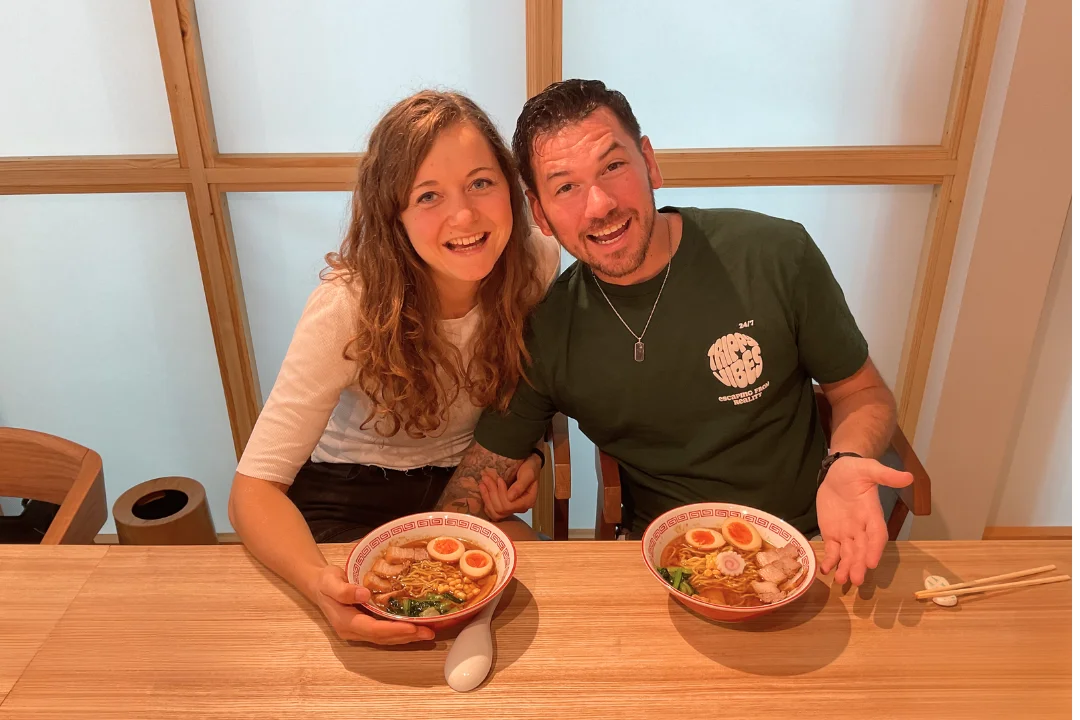
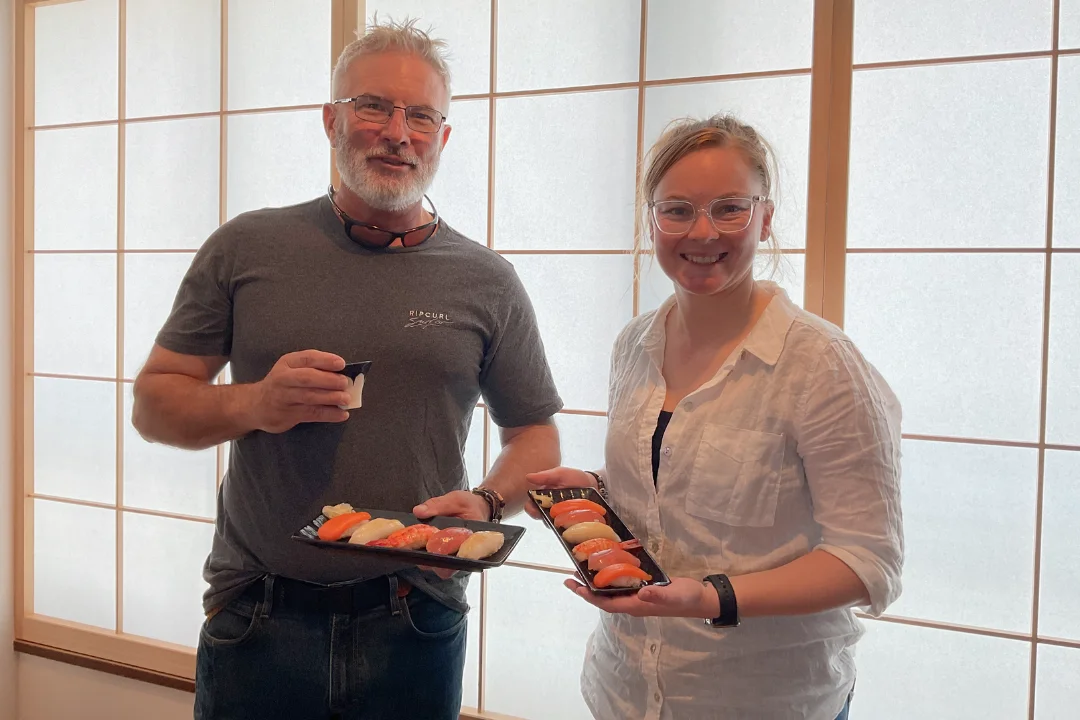
The experiences guests talk about most are the ones where they did something with their own hands. One guest from Australia described pulling her ramen noodles from the steaming broth and said, “I made this. I actually made this.” She’d eaten ramen dozens of times, but this was the first bowl that meant something to her.
That feeling comes up again and again — shaping nigiri sushi and watching it come together under your fingers, rolling out soba dough until it’s thin enough to see through. Eating incredible food in Tokyo is easy. Making it is what creates the story you’ll tell for years.
There’s Cultural Context Behind the Food
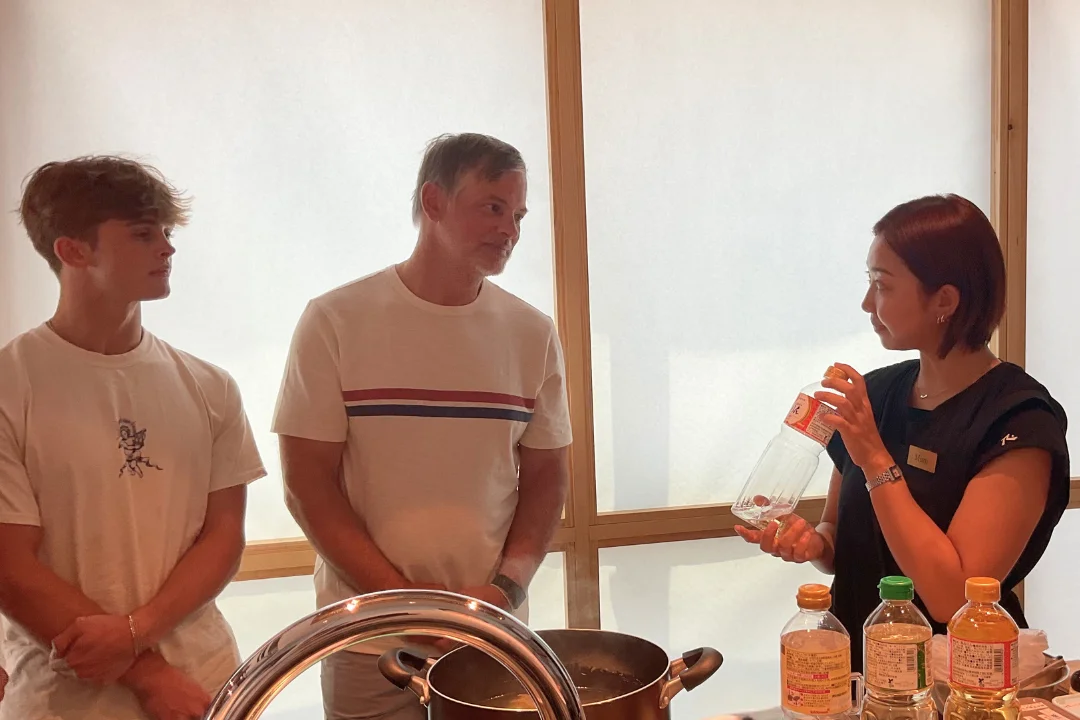
A bowl of ramen tastes good anywhere. But understanding why the broth is simmered for hours, or why sushi chefs train for a decade before they’re trusted with rice — that’s what turns a meal into a moment.
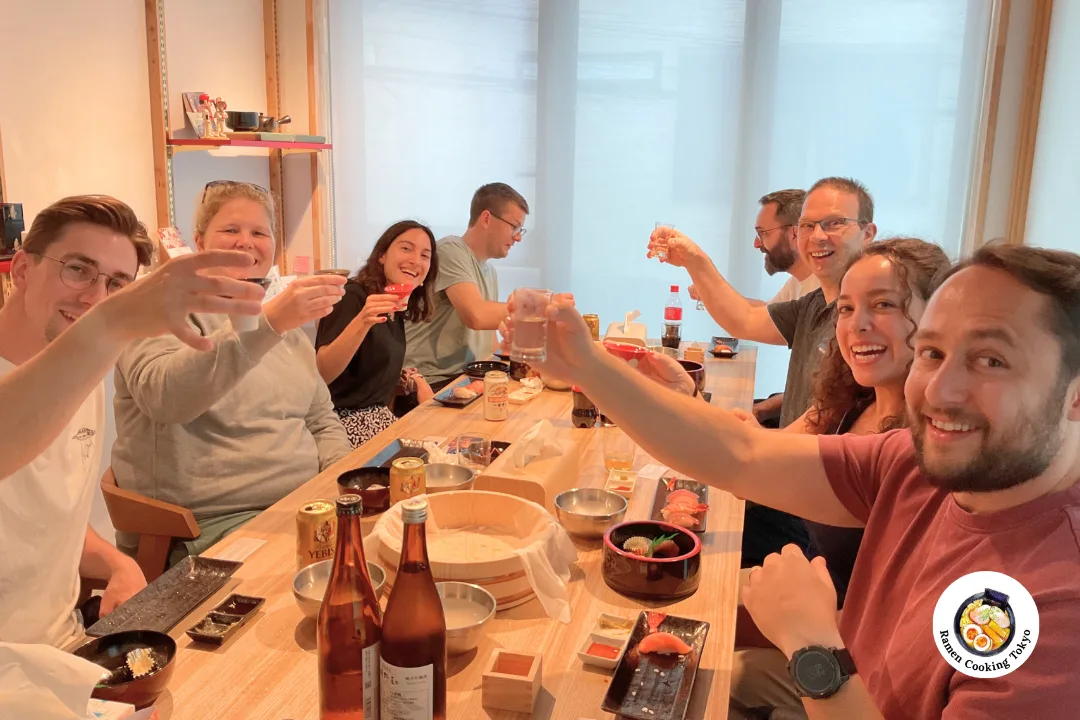
The best food experiences in Tokyo connect you to the people and traditions behind the dish. Whether it’s a sake brewer explaining the difference between junmai and daiginjo, or a market vendor showing you how to pick the freshest fish, that context is what makes Tokyo different from every other food city.
It Feels Personal, Not Mass-Produced
Tokyo has no shortage of food tours that pack 30 people onto a bus. They serve a purpose, but they rarely create lasting memories.
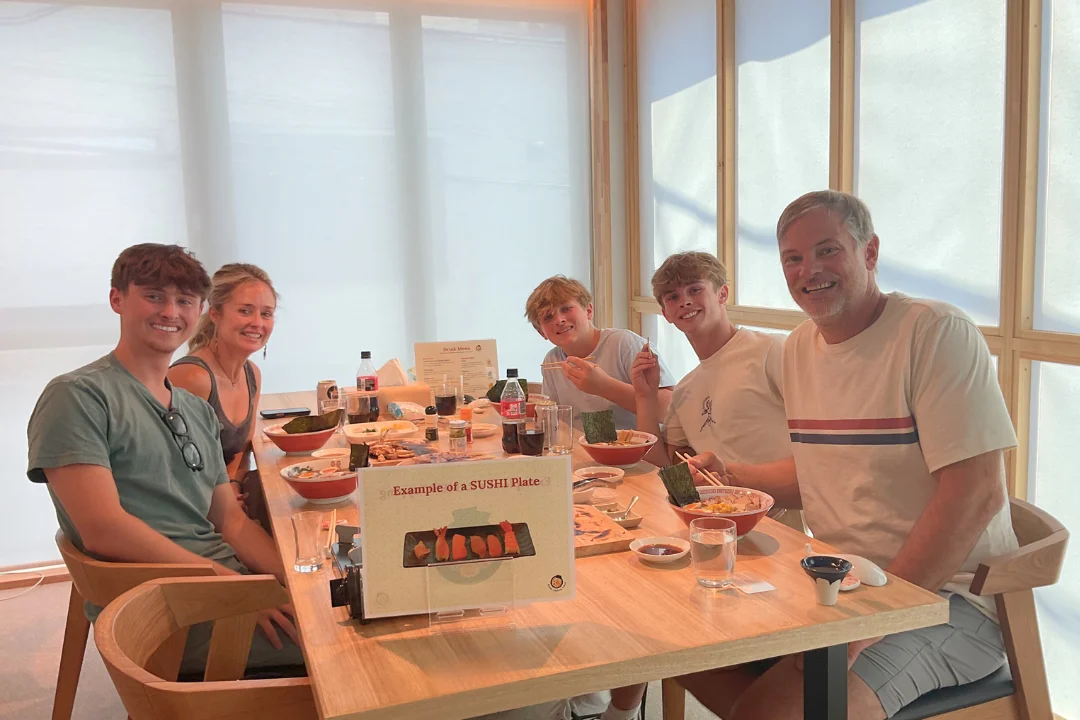
The experiences guests remember most are small — a cooking class with 6 people, a sake tasting with a brewery owner, a quiet morning at the outer market before the crowds arrive. When you can ask questions, hear stories, and connect with your host, food becomes something deeper than consumption.
You Take Something Home
Not a souvenir from a gift shop. A skill. A recipe. A new understanding of an ingredient you’ve been eating your whole life without really knowing it.
Guests consistently tell us that the most valuable part of their food experience wasn’t the meal itself — it was the knowledge they brought home. An American guest texted us a photo of the ramen she made for her family the following weekend — “It’s not as good as yours, but my kids think I’m a hero.” A French couple told us they now make nigiri sushi at every dinner party. A solo traveler from Brazil said learning to make dashi broth changed how she thinks about cooking entirely.
That’s the mark of a great experience: it doesn’t end when you leave Tokyo.
Two Ways to Experience Tokyo’s Food: Eating vs. Making
Most travelers think of food experiences as eating — and Tokyo is extraordinary for that. But there’s a second category that many first-time visitors overlook: making food yourself.
Eating Experiences
These are the experiences most travel guides focus on:
| Type | What to Expect | Time | Cost |
|---|---|---|---|
| Street food exploring | Walk through markets, sample grilled seafood, tamagoyaki, fresh sushi | 1–3 hours | ¥2,000–5,000 |
| Guided food tours | Led walks through neighborhoods like Tsukiji, Asakusa, or Shinjuku | 2–4 hours | ¥8,000–15,000 |
| Izakaya hopping | Small plates and drinks at traditional Japanese pubs | 2–3 hours | ¥5,000–10,000 |
| Depachika exploration | Department store basement food halls — free to browse, pay for what you eat | 1–2 hours | ¥1,000–5,000 |
| Sake or whisky tasting | Guided flights with food pairing | 1–2 hours | ¥5,000–12,000 |
Eating experiences are wonderful. They’re relaxed, they require no special effort, and Tokyo’s food quality means you’re almost guaranteed a good time.
Making Experiences
What fewer travel guides mention — and what guests consistently rate as more memorable:
| Type | What to Expect | Time | Cost |
|---|---|---|---|
| Ramen + sushi cooking class | Make iconic dishes from scratch, hands-on instruction, eat your creation | 2.5–3 hours | ¥15,000–20,000 |
| Sushi workshop | Learn rice preparation, fish selection, shaping nigiri sushi | 1.5–2 hours | ¥10,000–15,000 |
| Soba noodle making | Mix, knead, roll, and cut buckwheat noodles by hand | 1.5–2 hours | ¥5,000–12,000 |
| Wagashi (Japanese sweets) | Shape seasonal designs from sweet bean paste | 1.5–2 hours | ¥5,000–10,000 |
| Home cooking lesson | Everyday Japanese dishes in a local home or small studio | 2–3 hours | ¥8,000–15,000 |
| Market tour + cooking | Shop for ingredients at a market, then cook with them | 3–4 hours | ¥12,000–20,000 |
Why “making” tends to create stronger memories: Think about the difference between watching someone cook and doing it yourself. When you’re the one kneading the dough, tasting the broth, adjusting the seasoning — every sense is engaged. You’re not just observing Tokyo’s food culture, you’re inside it. That kind of experience sticks with you in a way that watching never can.
We’re biased, of course — we run a cooking class. But this observation comes from years of sitting with guests after class, hearing them compare everything they’ve done in Tokyo. The pattern is remarkably consistent: the things they made themselves are the things they talk about most.
Related: Cooking classes in Tokyo: How to choose the right experience — our complete guide to every type of cooking class
Where to Find Authentic Food Experiences in Tokyo
Tokyo is enormous, and the food experience you’ll have depends heavily on which neighborhood you’re in. Here are the areas that matter most for food-focused travelers.
Tsukiji and Tsukishima (Central Tokyo)
Best for: Market culture, fresh seafood, local neighborhood charm
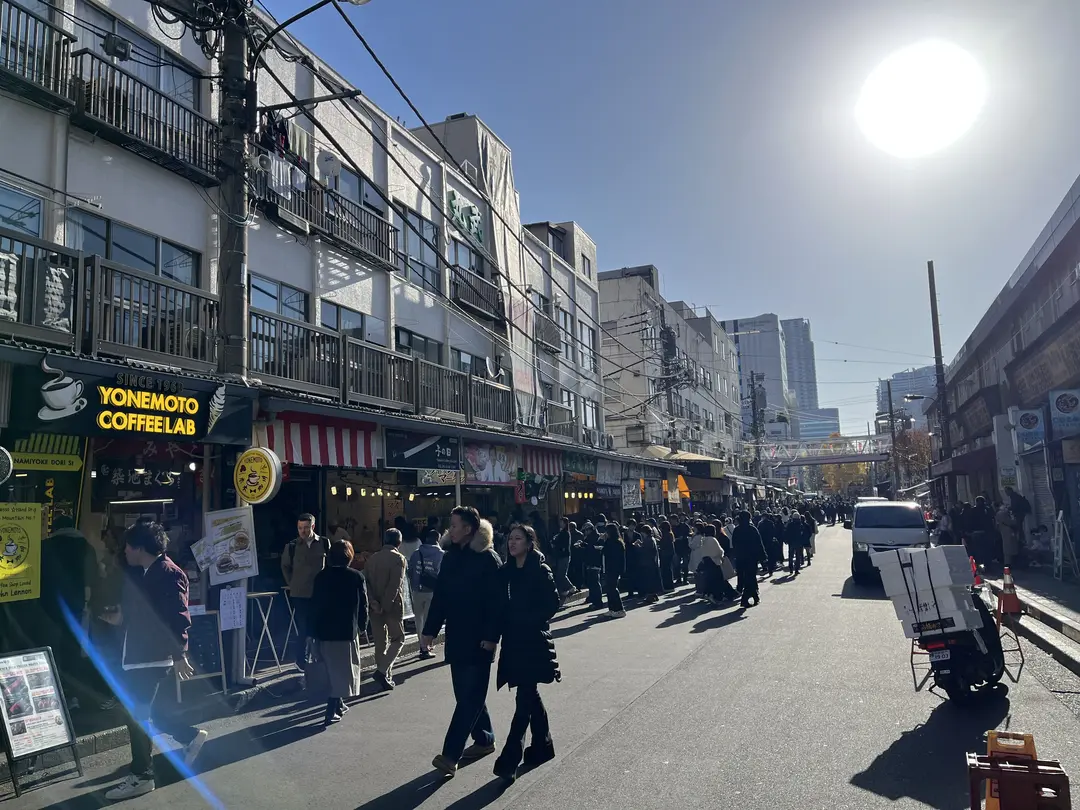
Tsukiji’s outer market remains Tokyo’s most famous food destination, even after the wholesale market moved to Toyosu. The narrow lanes are packed with vendors selling everything from fresh tuna to tamagoyaki (Japanese omelet) to grilled scallops you eat standing on the street.
Walk 15 minutes south and you reach Tsukishima — a quiet, residential neighborhood famous for monjayaki (Tokyo’s local street food, cooked on a griddle at your table). This area feels like a different city from the tourist districts, and it’s home to some of Tokyo’s best cooking classes.
Related: Walking guide: Tsukiji to Tsukishima — a scenic 45-minute route through Tokyo’s waterfront
Ginza and Yurakucho
Best for: Department store food halls (depachika), upscale dining, specialty shops
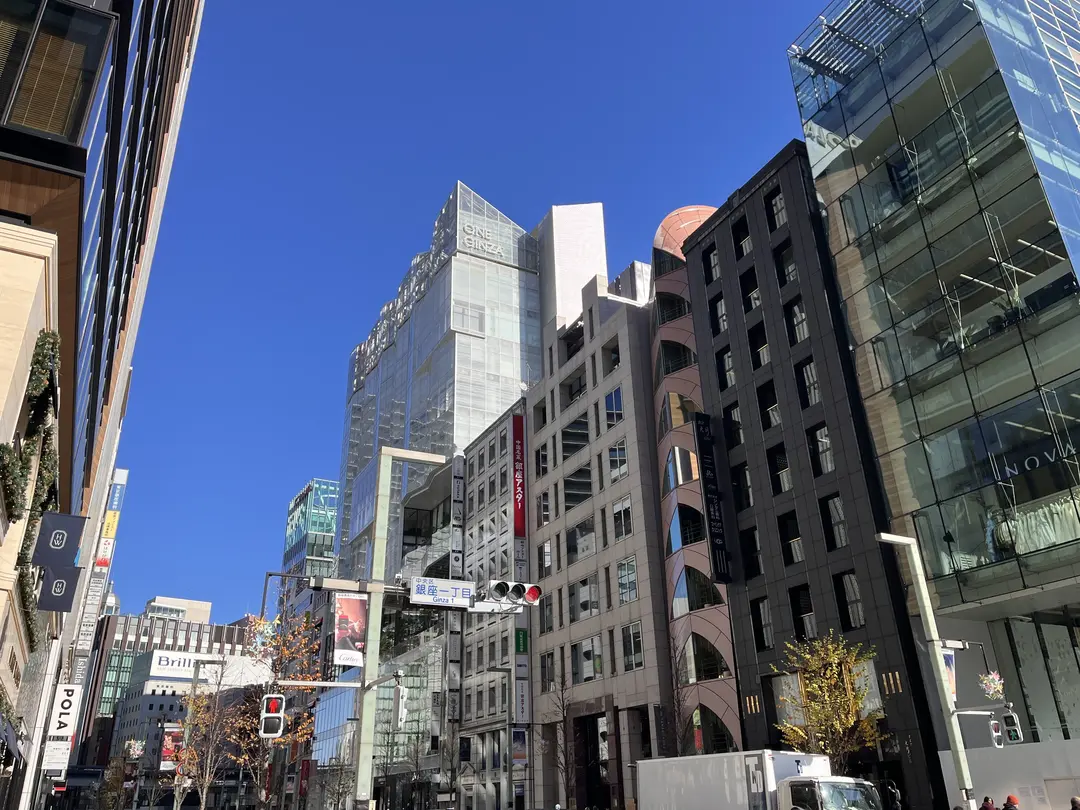
Ginza’s department store basements are food experiences unto themselves. Mitsukoshi, Matsuya, and Wako each have basement floors filled with wagashi, bento boxes, pastries, and prepared foods that rival any restaurant. Best of all, browsing is free.
Related: Walking guide: Ramen Cooking Tokyo to Ginza — a post-experience stroll from Tsukishima to Ginza
Asakusa and Ueno
Best for: Traditional snacks, temple-area street food, nostalgic atmosphere
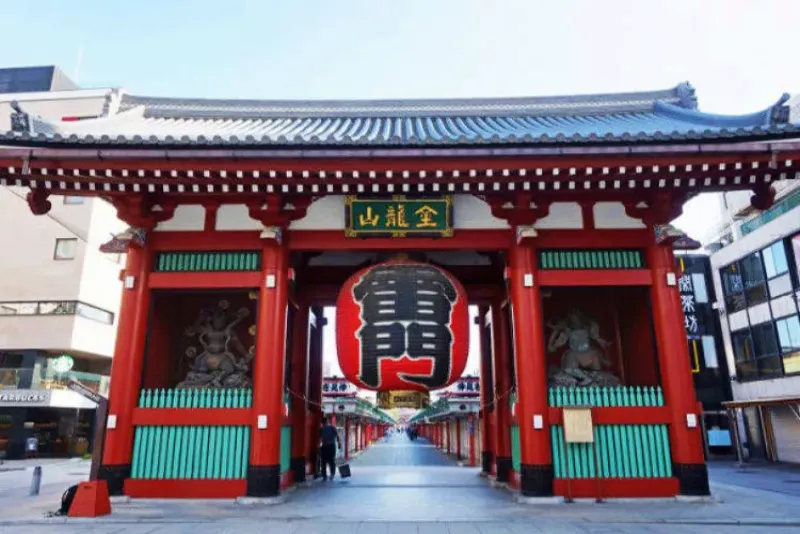
Walk through the Nakamise shopping street toward Senso-ji temple and the smells hit you before the sights do — freshly grilled senbei (rice crackers) crackling on charcoal, sweet bean paste warming inside taiyaki molds, melon pan with a golden, crackly crust pulled straight from the oven. The area has a festive, old-Tokyo energy that’s hard to find anywhere else in the city. It’s casual, joyful, and perfect for wandering without a plan.
Shinjuku and Shibuya
Best for: Izakaya culture, ramen shops, late-night food adventures
As evening falls, duck into the narrow alleys of Omoide Yokocho (Memory Lane) in Shinjuku. Tiny yakitori joints line both sides — some seat only six people. Charcoal smoke curls through the lane, mixing with the sound of sizzling skewers and glasses clinking. Pull up a stool, order a beer and some tsukune (chicken meatball), and let the atmosphere wash over you. This is Tokyo nightlife food culture at its most authentic — small, loud, and absolutely delicious.
What Guests Wish They’d Known Before Their Tokyo Food Trip
At the end of every class, we sit down together with our guests over sake. The conversation always drifts to the same place: “I wish someone had told me this before my trip.” Here are the things that come up most often — the practical insights that don’t appear in most travel guides.
Morning Experiences Work Best
If you’re doing something active like a cooking class, market tour, or food walk, book the morning session. After a full day of sightseeing, most travelers are too tired to fully engage with a hands-on experience. We see the difference clearly: our 10 AM guests are energetic and curious. Our 2 PM guests are wonderful too, but jet lag and walking fatigue are real.
Check Market Closing Days
Tsukiji’s outer market is mostly closed on Sundays and some Wednesdays. Some shops close on national holidays. If you’re planning a food experience around a market visit, check the schedule before you go. Nothing is more disappointing than arriving at Tsukiji to find half the stalls shuttered.
Book Small-Group Experiences 1–2 Weeks Ahead
Popular cooking classes and food tours with small groups (4–8 people) fill up quickly, especially during cherry blossom season (late March–early April), Golden Week (late April–early May), and year-end holidays (December–January). Last-minute availability exists, but your choices narrow significantly.
Combine Experiences Geographically
Tokyo’s train system is efficient, but transit time adds up. Plan food experiences near each other to avoid spending your day underground.
Example combinations that work well:
- Morning: Tsukiji market walk. Afternoon: Cooking class in Tsukishima. Evening: Ginza for dinner
- Morning: Cooking class. Afternoon: teamLab Planets (10 minutes away). Evening: Monjayaki on Tsukishima street
- Morning: Asakusa temple food walk. Afternoon: Ueno area exploration. Evening: Izakaya hopping in Shinjuku
Related: Perfect Tokyo day: Ramen class + teamLab Planets — a full-day itinerary combining food and art
Don’t Eat a Big Breakfast Before a Food Experience
This sounds obvious, but we see it constantly. Guests arrive at our 10 AM class having just eaten a full hotel breakfast. A light breakfast — or saving your appetite entirely — makes the experience much more enjoyable. The same applies to food tours and market visits.
Weather Doesn’t Have to Stop You
Tokyo gets rain, especially during the June–July rainy season and typhoon season in September–October. Indoor food experiences — cooking classes, sake tastings, depachika exploring — are perfect alternatives to outdoor sightseeing on wet days.
Related: Rainy day date ideas in Tokyo for foodie couples
Quick Facts: Tokyo Food Experiences at a Glance
| Question | Answer |
|---|---|
| How much do food experiences cost? | ¥2,000–20,000 per person, depending on type and duration |
| Are they available in English? | Most cooking classes and guided tours designed for visitors operate in English |
| Do I need to book in advance? | Yes for small-group experiences (1–2 weeks ahead). Walk-in options exist for markets and food halls |
| Best time of day? | Morning for active experiences. Evening for izakaya and nightlife food |
| Family-friendly options? | Many cooking classes welcome children ages 5+. Markets and food halls work for all ages |
| Dietary accommodations? | Varies widely. Confirm with providers before booking |
| Best area for food? | Tsukiji/Tsukishima for markets and cooking. Ginza for upscale. Shinjuku for nightlife food |
A Note About Us: Ramen Cooking Tokyo
We’ve shared what we know about Tokyo’s food scene as honestly as we can. Here’s what we offer.
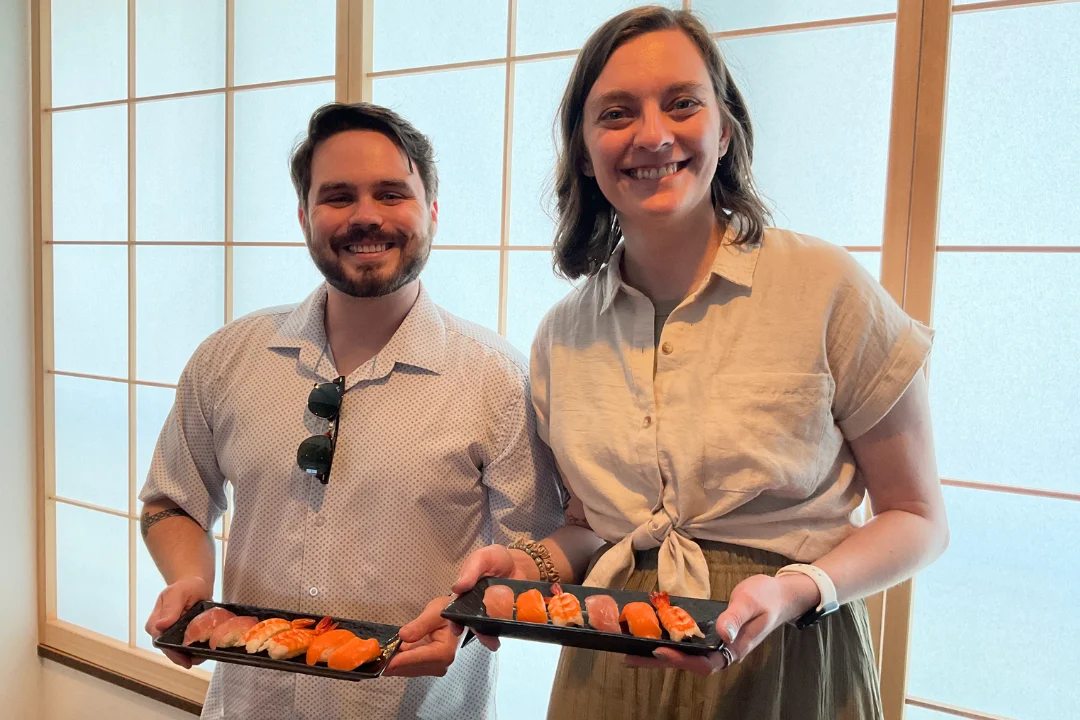
Ramen Cooking Tokyo is a small-group cooking class in Tsukishima, central Tokyo, where you learn to make ramen from scratch, shape nigiri sushi by hand, and enjoy a guided premium sake pairing — all in one 2.5–3 hour session.
| Detail | Information |
|---|---|
| What you’ll make | Ramen from scratch + nigiri sushi by hand |
| Drinks included | Premium sake pairing (3 types), Japanese beer, soft drinks |
| Price | ¥20,000 per person (all-inclusive) |
| Duration | 2.5–3 hours |
| Group size | Max 8 guests |
| Language | 100% English |
| Schedule | 10:00 AM — 1:00 PM or 2:00 PM — 5:00 PM |
| Location | 4 min walk from Tsukishima Station — near Tsukiji, Ginza, teamLab Planets |
| Rating | 5.0 with 450+ reviews across Google, TripAdvisor, and booking platforms |
| Cancellation | Free cancellation 24+ hours before |
Why guests choose us: Most travelers tell us they chose our class because it combines ramen and sushi in one session. The sake pairing turns it into a complete food and drink journey through Japanese cuisine.
Related: How to choose the right cooking class in Tokyo | Cooking classes for kids in Tokyo
Frequently Asked Questions
What is the best food experience in Tokyo for first-time visitors? It depends on what you enjoy. If you want to learn something hands-on, a cooking class lets you make iconic dishes like ramen and sushi yourself. If you prefer to explore and eat, a morning at Tsukiji market followed by lunch in the area is hard to beat. Many first-time visitors do both on different days.
How much should I budget for food experiences in Tokyo? Street food and market browsing can cost as little as ¥2,000–5,000. Guided food tours run ¥8,000–15,000. Cooking classes range from ¥5,000–20,000 depending on what’s included. For a full food-focused day (morning experience + lunch + evening activity), budget around ¥15,000–30,000 per person.
Are Tokyo food experiences suitable for children? Many are. Cooking classes often welcome kids ages 5 and up. Markets are fun for all ages — kids love watching food being prepared and sampling snacks. See our guide to cooking classes for kids in Tokyo for family-specific recommendations.
Can I find food experiences in Tokyo in English? Yes. Most cooking classes and food tours designed for international visitors operate entirely in English. For market visits and izakaya hopping, English ability varies — but pointing at what looks good and smiling works surprisingly well in Tokyo.
What food experiences work on a rainy day? Indoor options include cooking classes, sake tastings, depachika (department store food hall) tours, and wagashi workshops. See our rainy day guide for foodie couples for more ideas.
Is Tokyo really the best city in the world for food? By many measures, yes. Tokyo holds more Michelin stars than any other city — over 200 as of 2025. But beyond the starred restaurants, it’s the depth and variety that sets Tokyo apart: from ¥500 standing ramen shops to ¥50,000 omakase counters, and everything in between. The quality floor is remarkably high.
Your Next Step
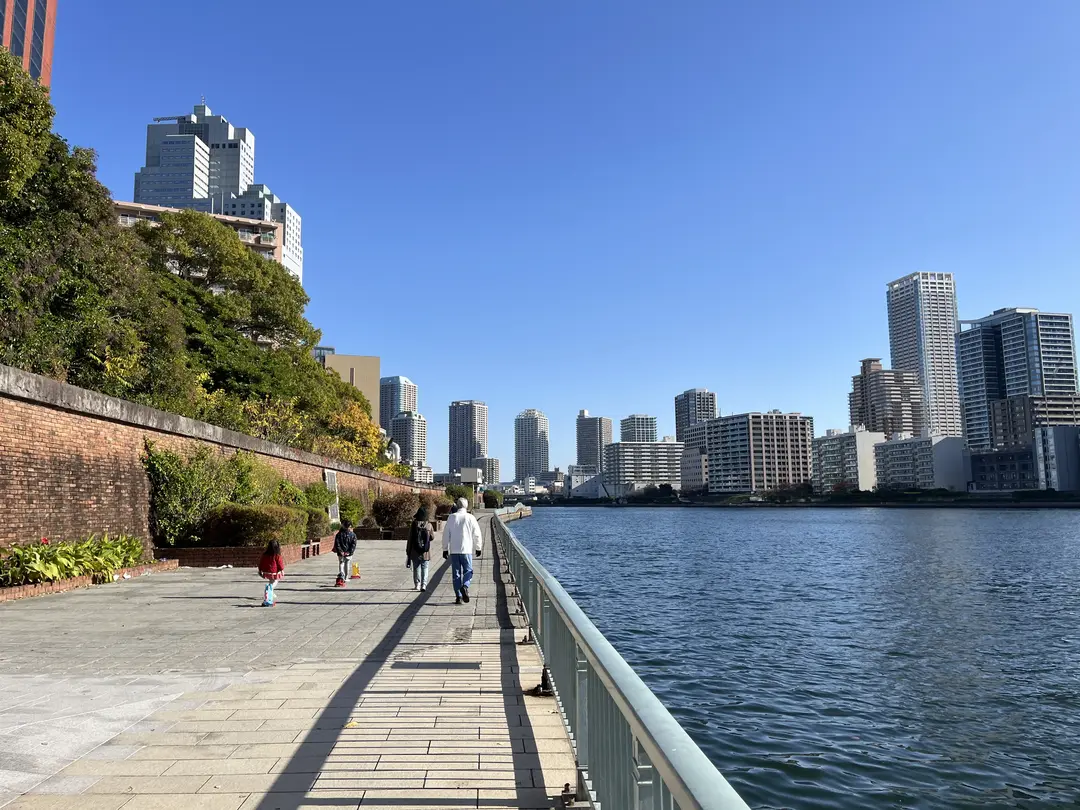
Tokyo’s food scene rewards the curious traveler. Whether you spend a morning sampling your way through Tsukiji, an afternoon learning to pull ramen noodles from steaming broth, or an evening discovering your new favorite yakitori spot in a smoky Shinjuku alley — you’ll find that food in Tokyo is more than sustenance. It’s how this city opens its heart to visitors.
If a hands-on cooking experience sounds like the right fit for your trip, we’d love to welcome you to our kitchen in Tsukishima. Come hungry, leave happy.
Related Guides
- Cooking classes in Tokyo: How to choose the right experience — Complete 2026 guide
- Walking guide: Tsukiji to Tsukishima — A scenic 45-minute waterfront route
- Walking guide: Ramen Cooking Tokyo to Ginza — Perfect post-class stroll
- Perfect Tokyo day: Ramen class + teamLab Planets — Full-day itinerary
- Cooking classes for kids in Tokyo — Family-friendly guide
- Romantic food experiences for couples — Anniversary and honeymoon ideas
- Rainy day date ideas for foodie couples — Indoor experiences for wet weather